Seeing Israel Through a Wider Lens
A State Treasurers Delegation Journey with the American Israel Friendship League
Before this trip, I knew Israel largely through headlines — fragmented, politicized, and often reduced to conflict alone. What the American Israel Friendship League (AIFL) set out to do with this delegation was to broaden that lens.
AIFL’s mission is to increase Americans’ understanding of the full contemporary Israel story — its entrepreneurship, culture, medical research, environmental innovation, and resilience. It’s a story rarely told in full, and one that can’t be understood through media soundbites alone. Experiencing it firsthand, alongside state treasurers from across the U.S., changed how I see this country forever.
Sunday, December 7 — Arrival & Welcome | Tel Aviv
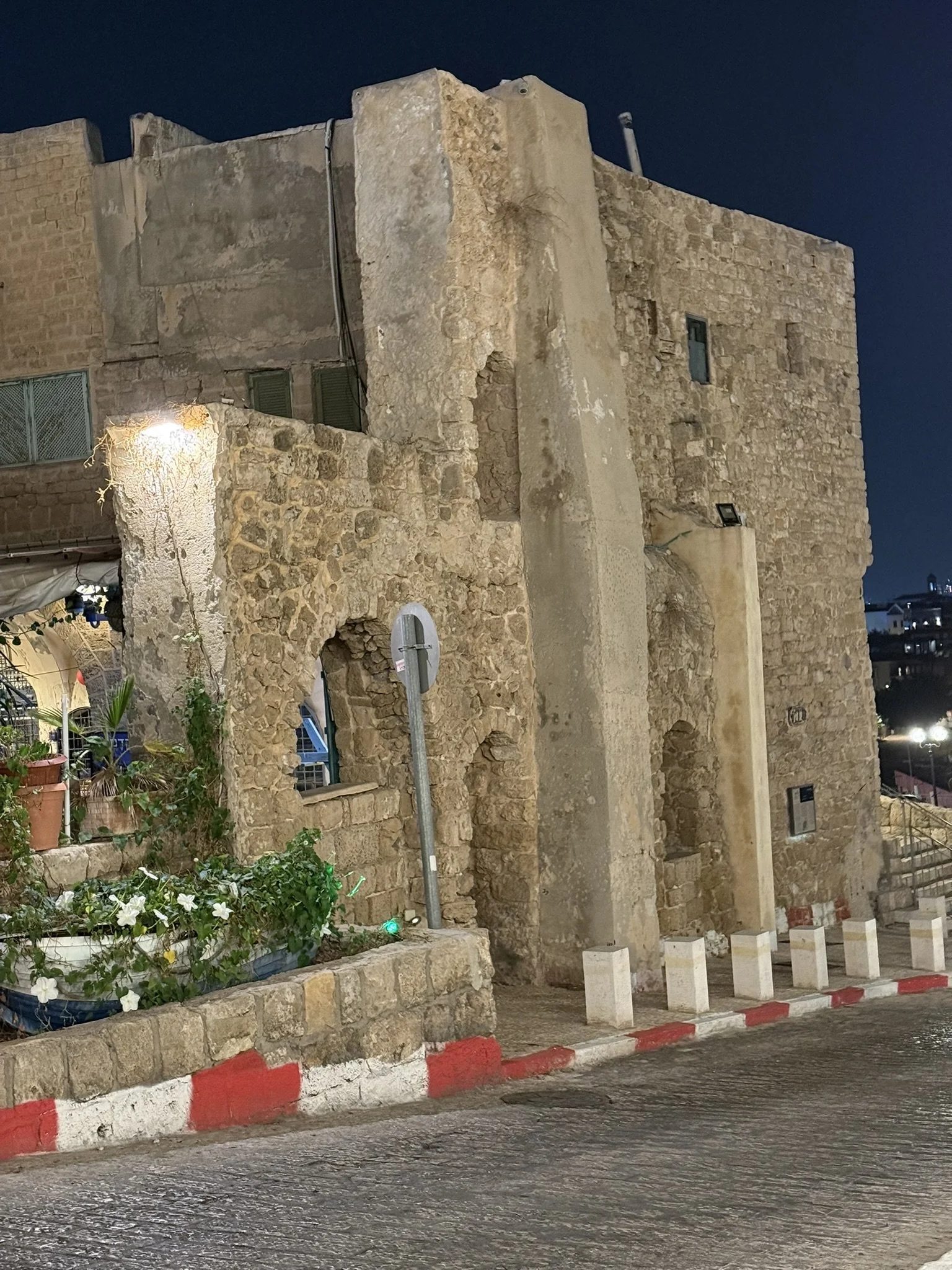
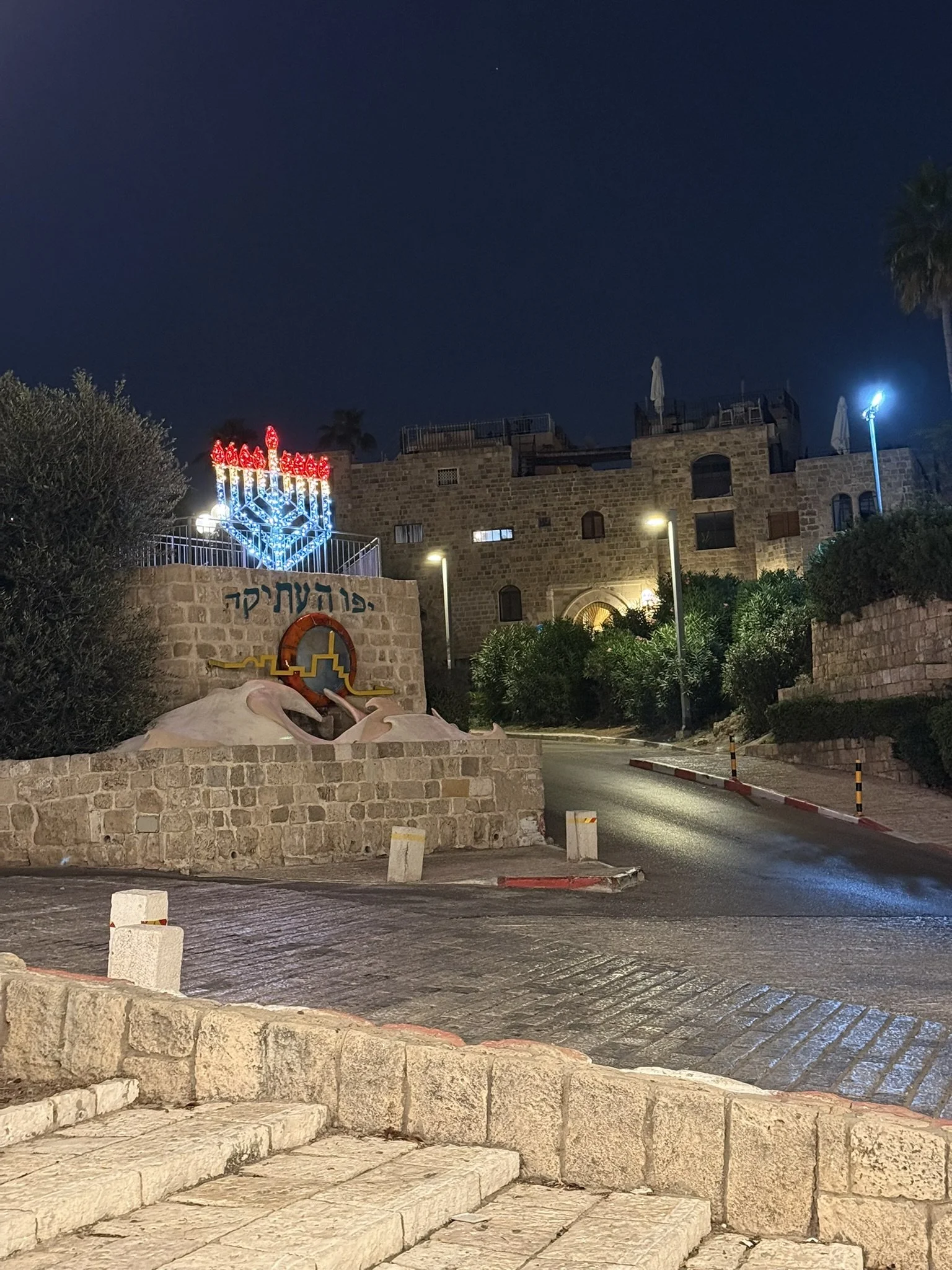
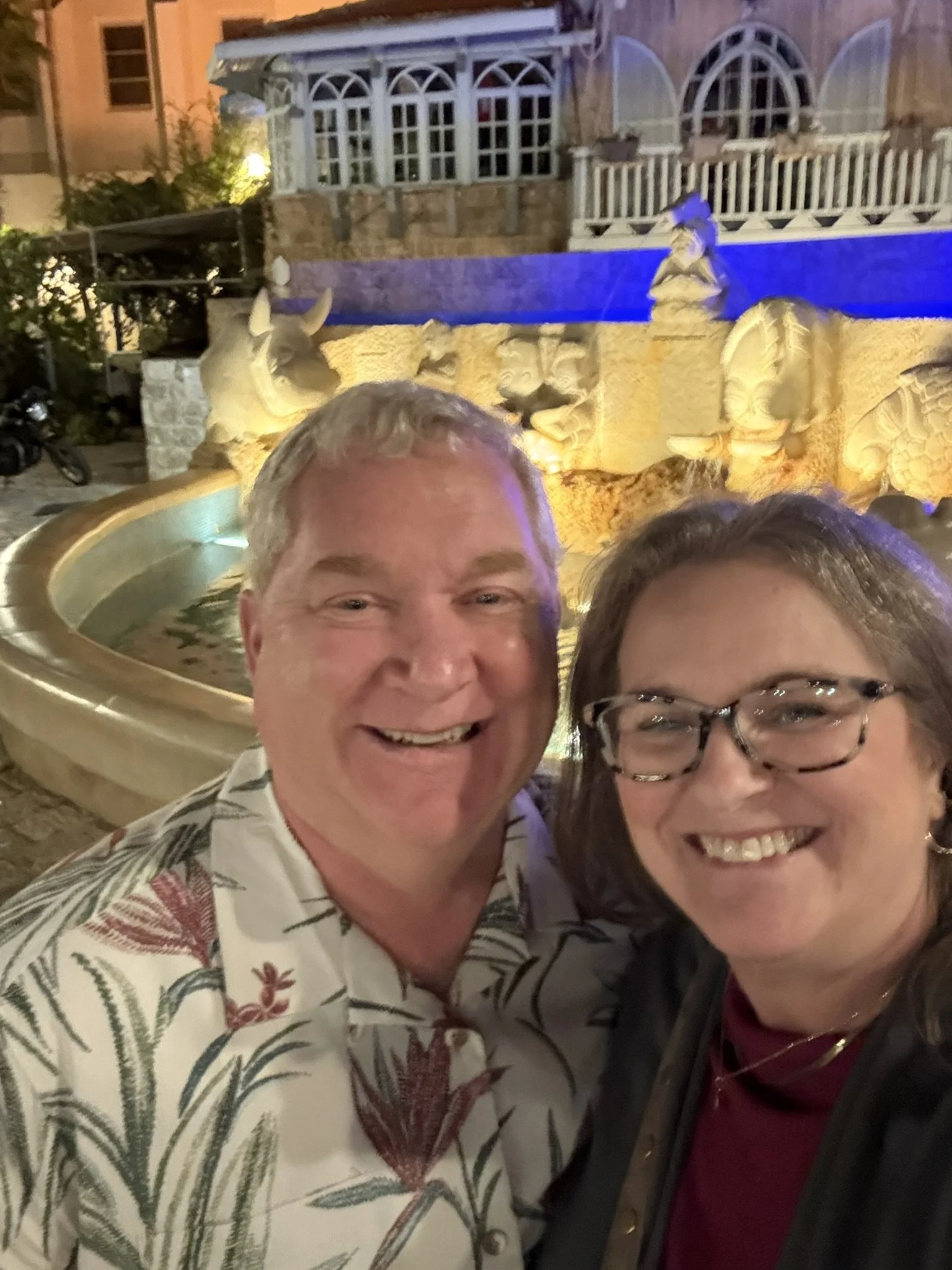
We arrived in Tel Aviv and were greeted at the airport before transferring to our hotel — a smooth landing into a city that instantly felt energetic and modern.
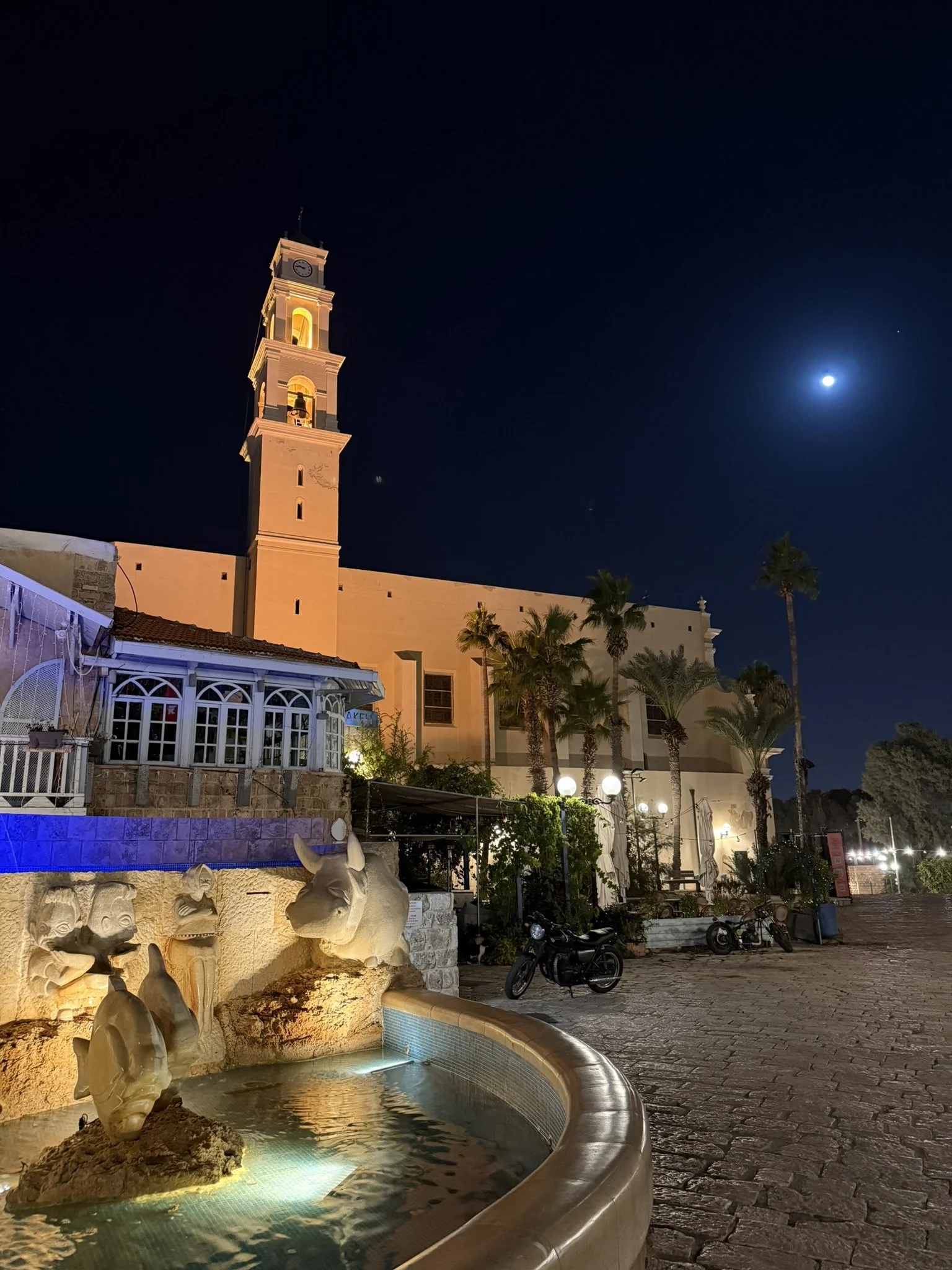
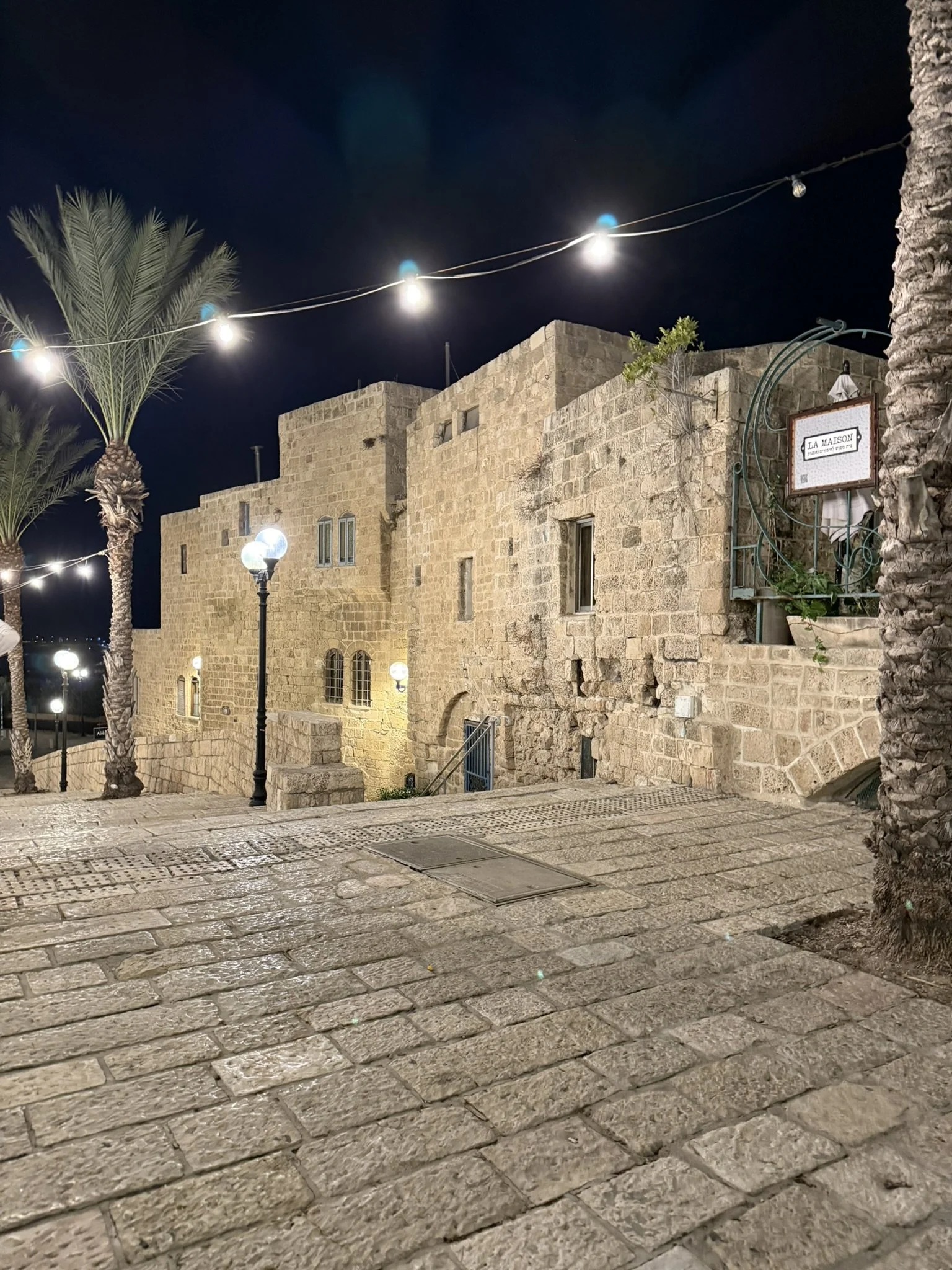
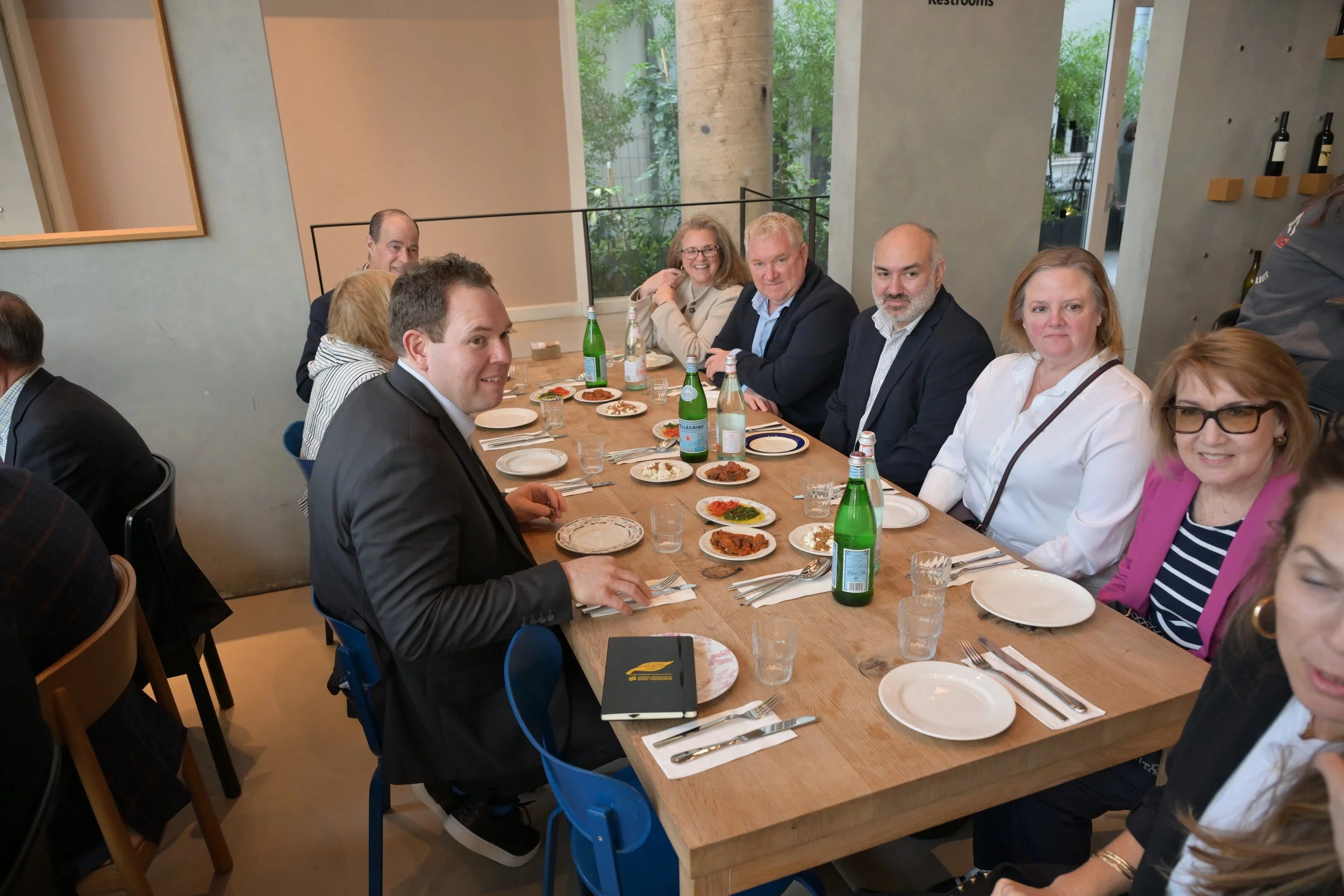
That evening, we gathered for a welcome dinner in Jaffa at Kalamata, one of the oldest port cities in the world. The setting itself was symbolic: ancient stone streets layered with modern Israeli life.
Our speaker for the evening was Yali Rothenberg, the Accountant General of the State of Israel — often referred to as “the man who has to keep Israel afloat.” He spoke candidly about Israel’s economy, fiscal challenges, and long-term outlook. It was a fascinating introduction to a country that balances innovation, security, and economic resilience every single day.
Monday, December 8 — Finance & Innovation | Tel Aviv
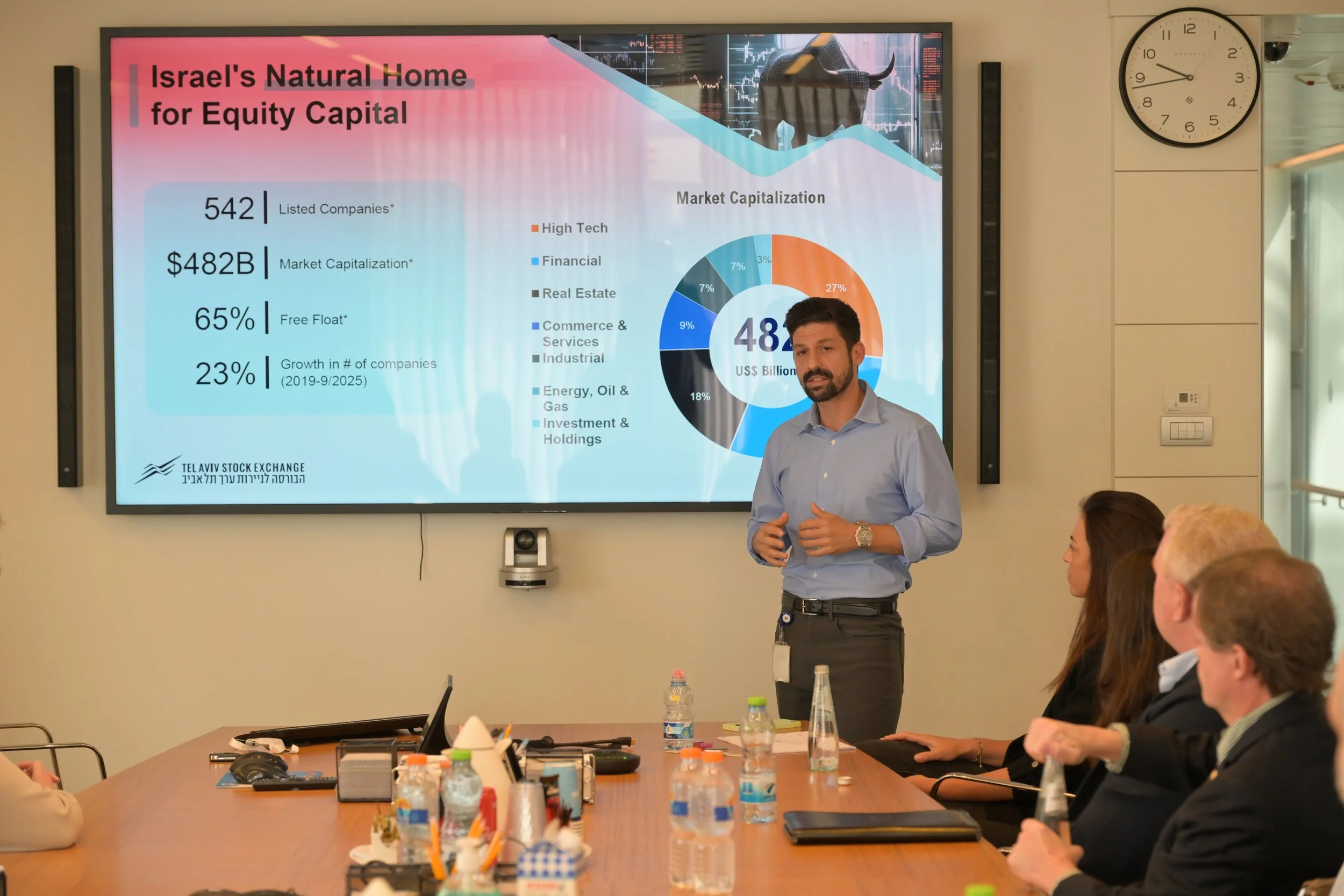
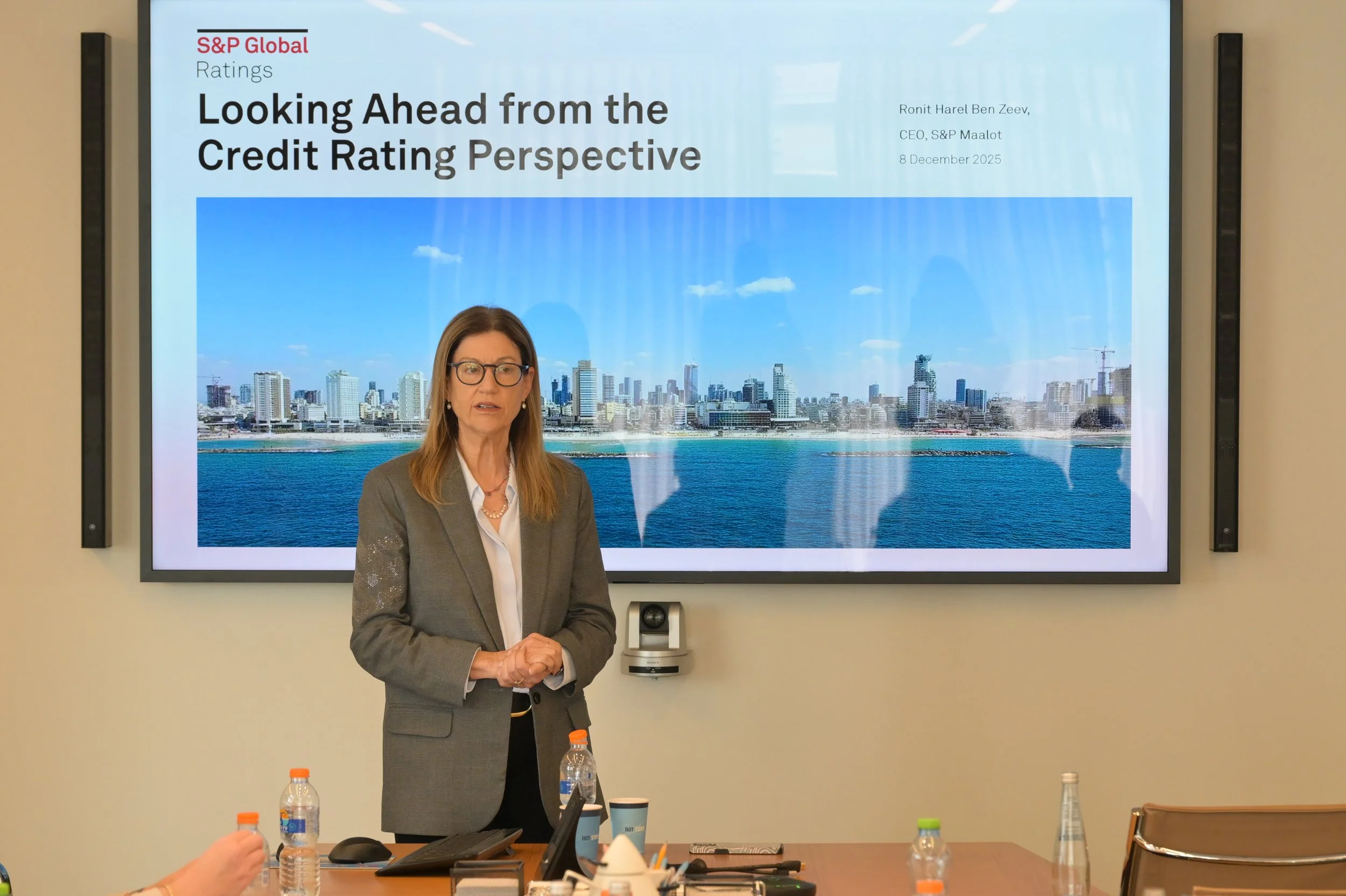
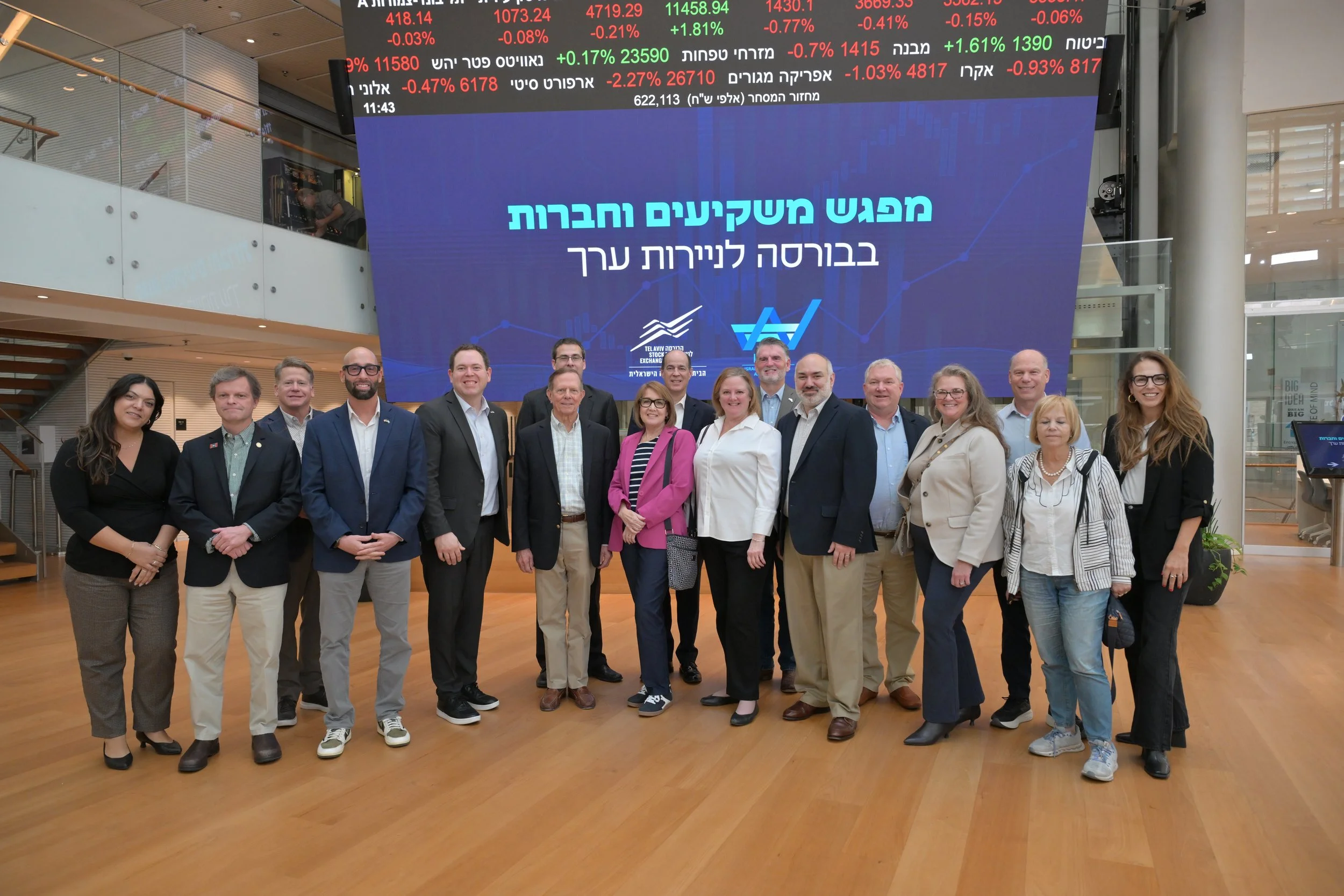
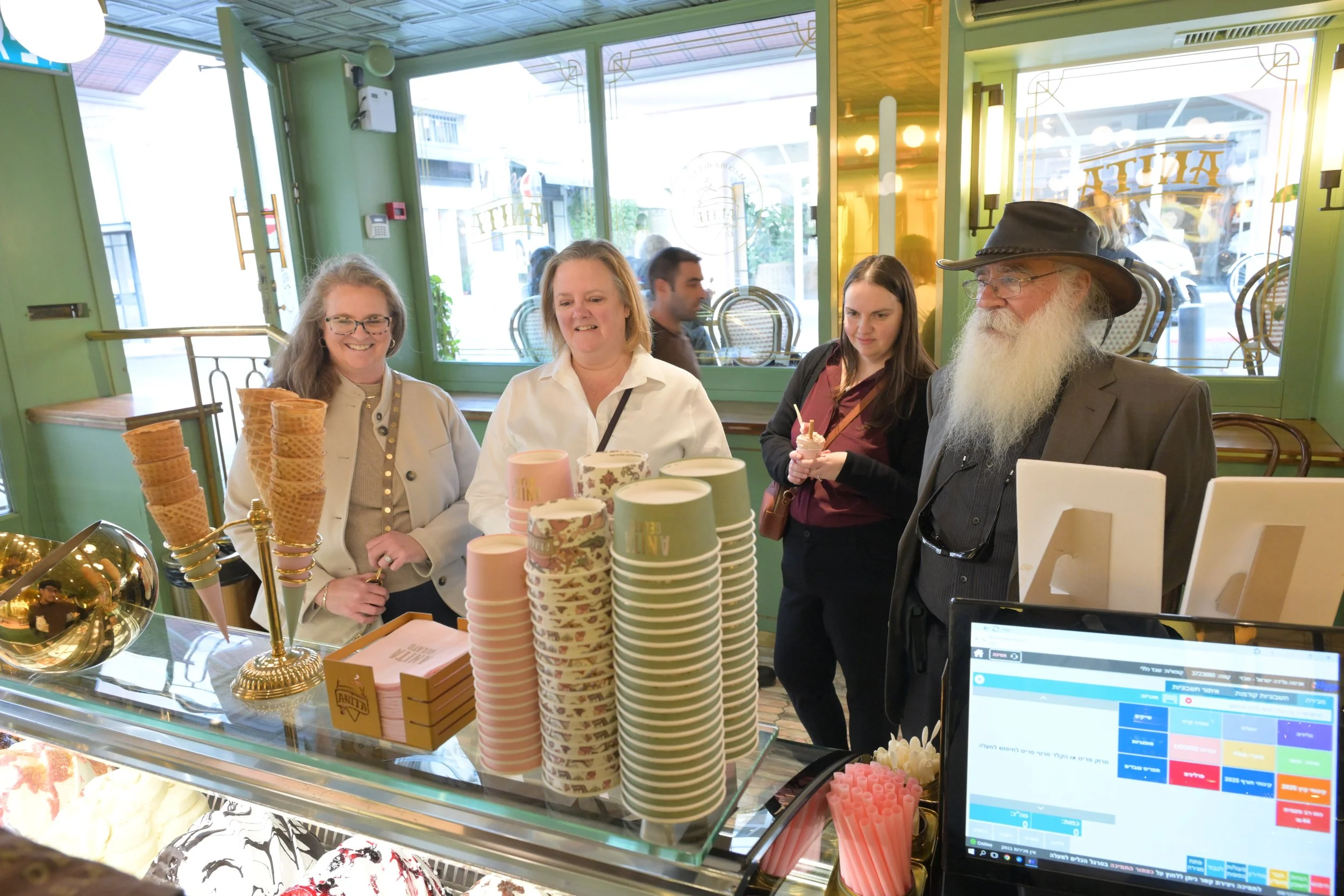

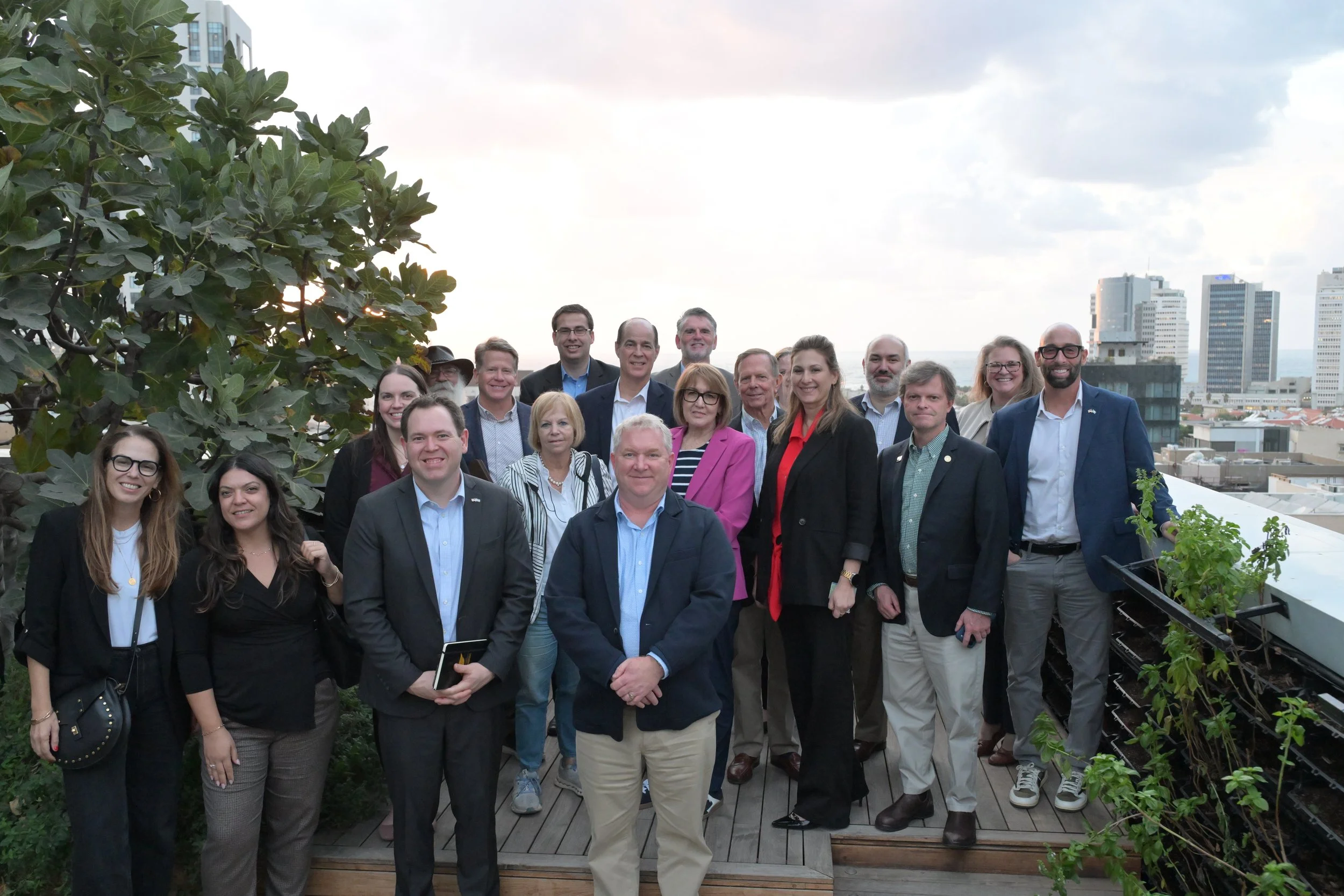
We began the day at the Tel Aviv Stock Exchange, diving straight into Israel’s financial ecosystem. Discussions covered capital markets, regulatory frameworks, credit ratings, and macroeconomic trends — all with an eye toward Israel’s future growth and global partnerships.
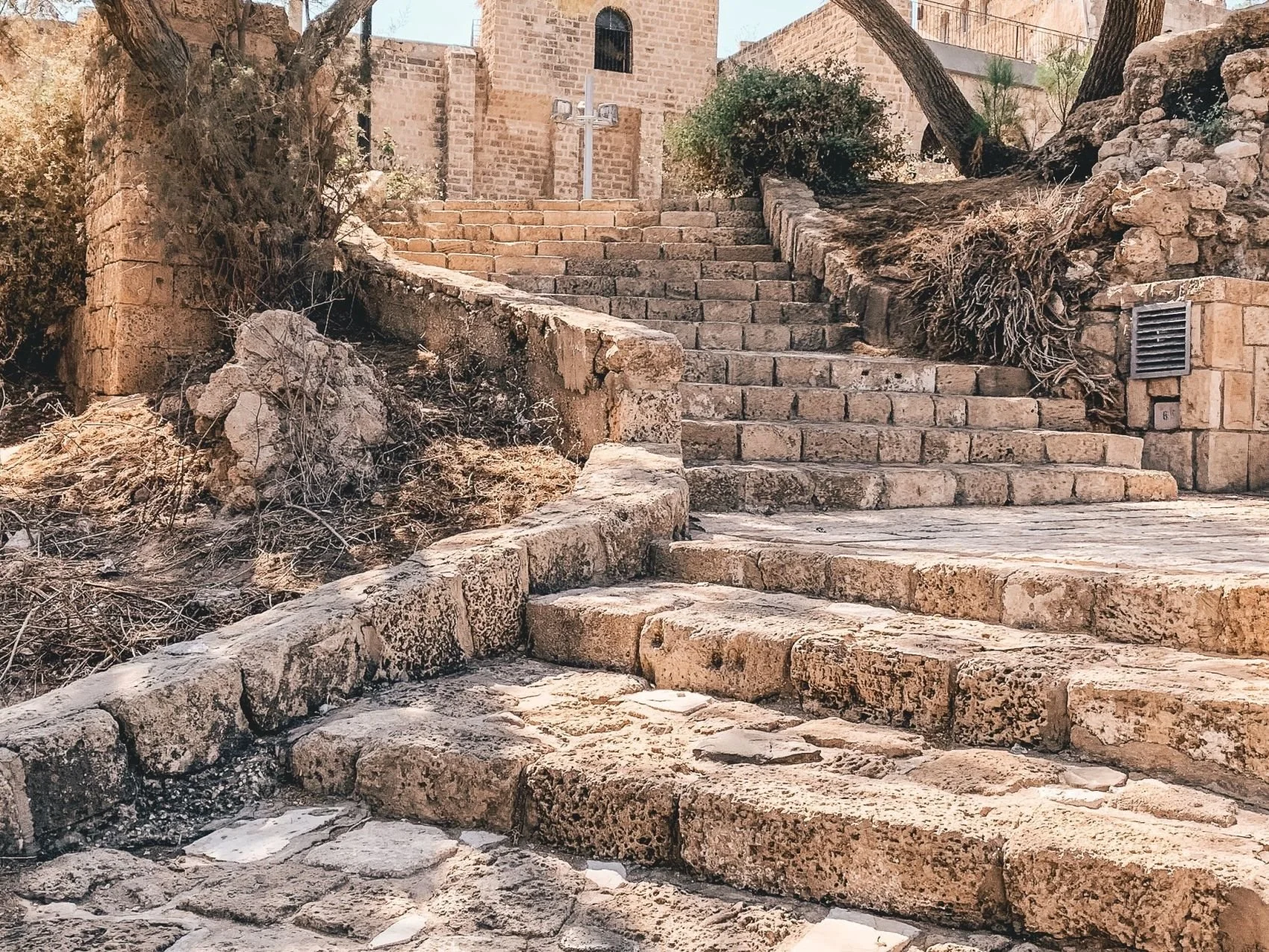
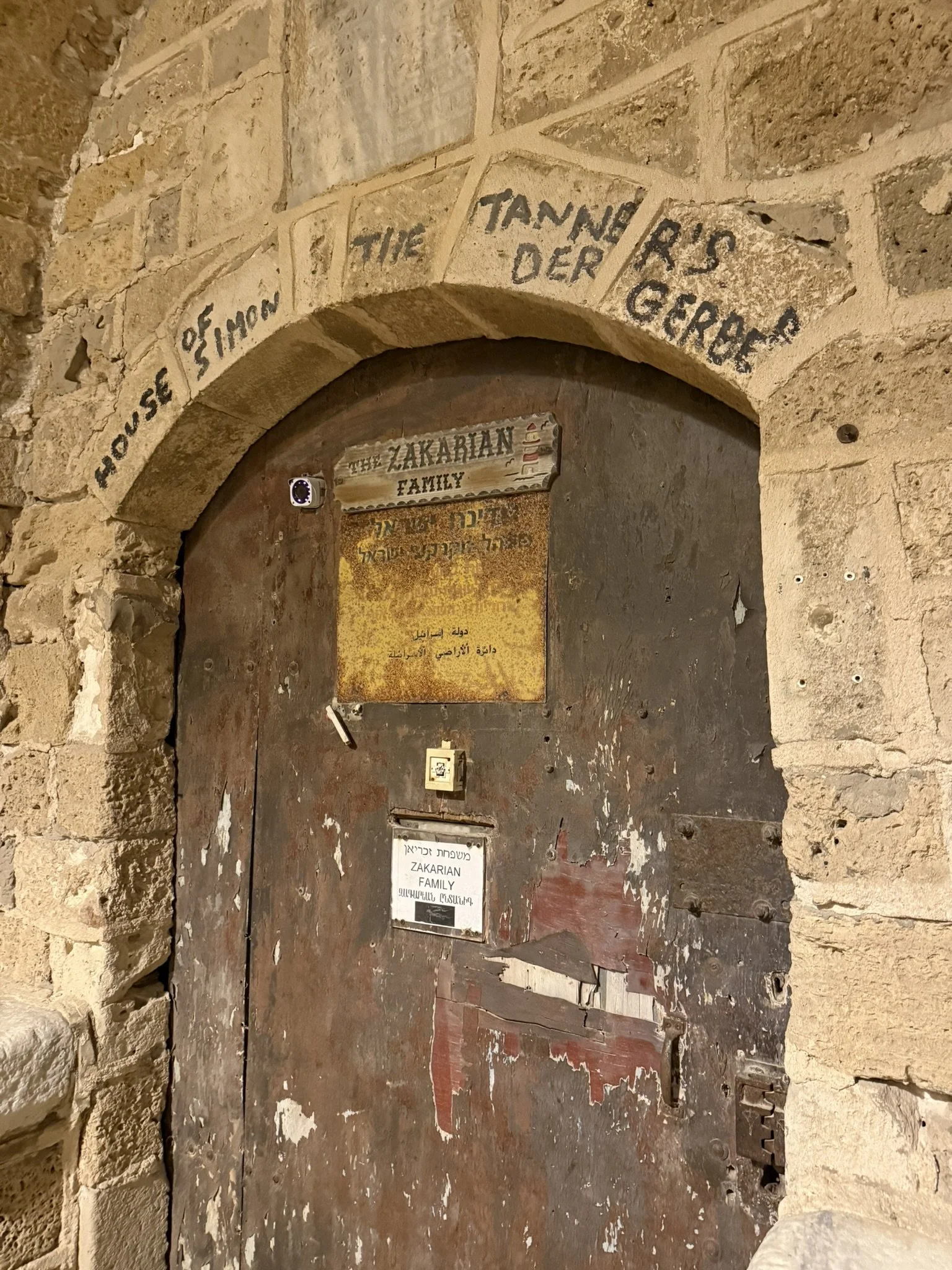
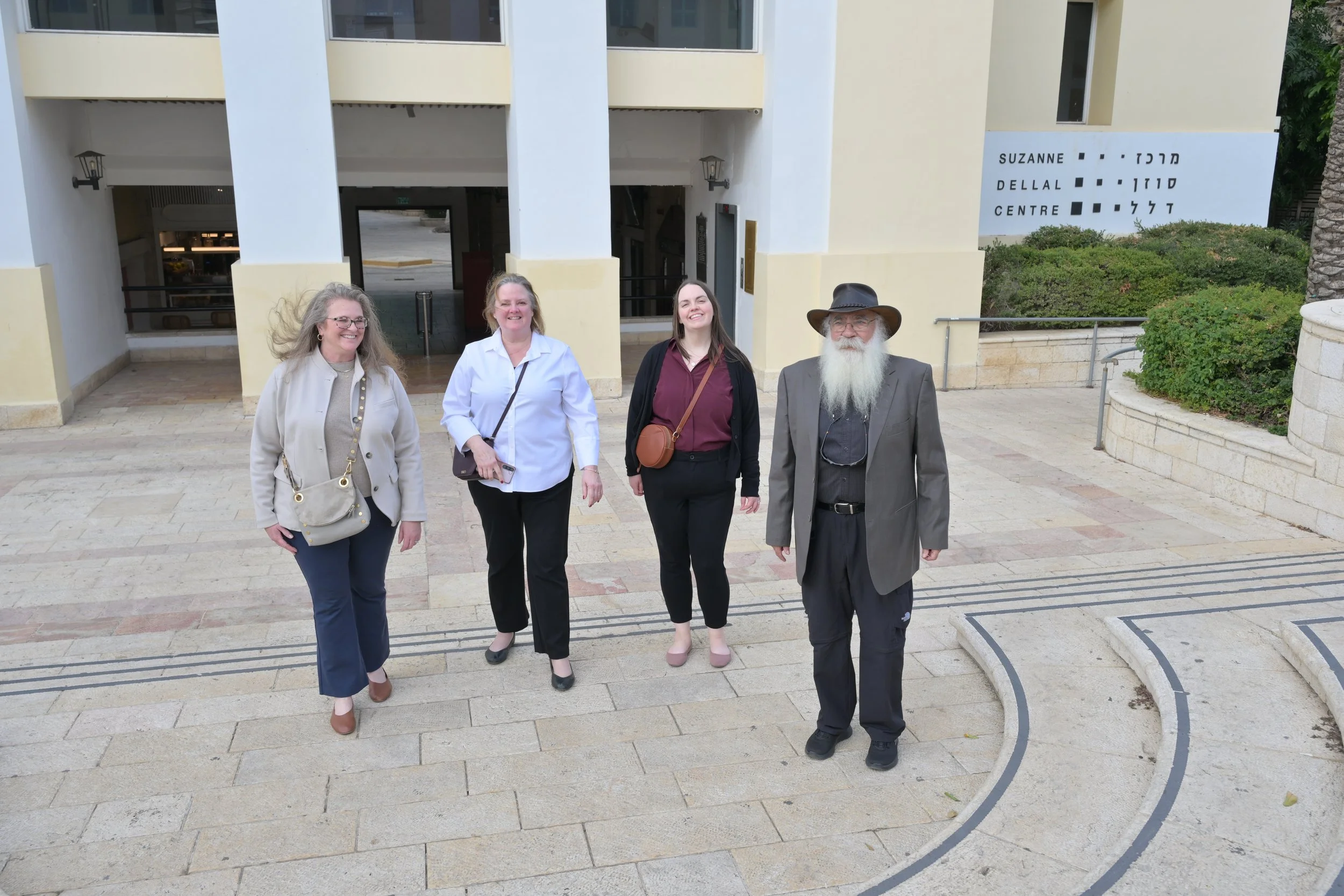
From finance to history, we shifted gears with a walking tour of Jaffa, wandering through winding streets that tell thousands of years of layered stories. There’s something grounding about physically walking through a place where civilizations have risen, fallen, and rebuilt — over and over again.
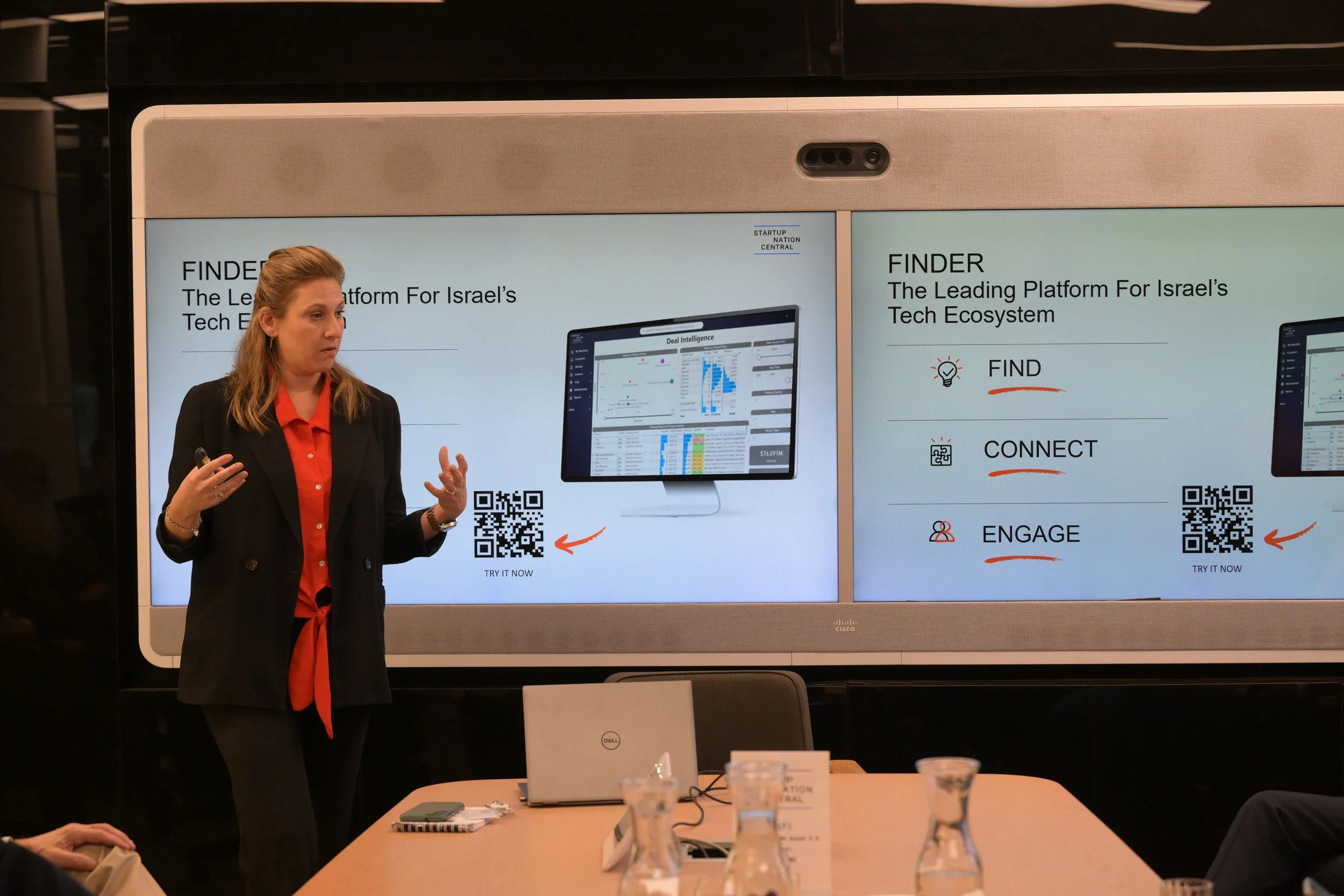
In the afternoon, we visited Startup Nation Central, where we learned about Israel’s world-leading startup and tech sector. This wasn’t just about innovation for innovation’s sake — it was about solving real-world problems and building partnerships with U.S. states and industries.
The day concluded with a dinner hosted by Israel Bonds, joined by CEO Dani Naveh and senior leadership. Conversations centered on investment, trust, and long-term collaboration — themes that would continue throughout the trip.
Tuesday, December 9 — Resilience & Recovery | Southern Israel
This was the hardest day.
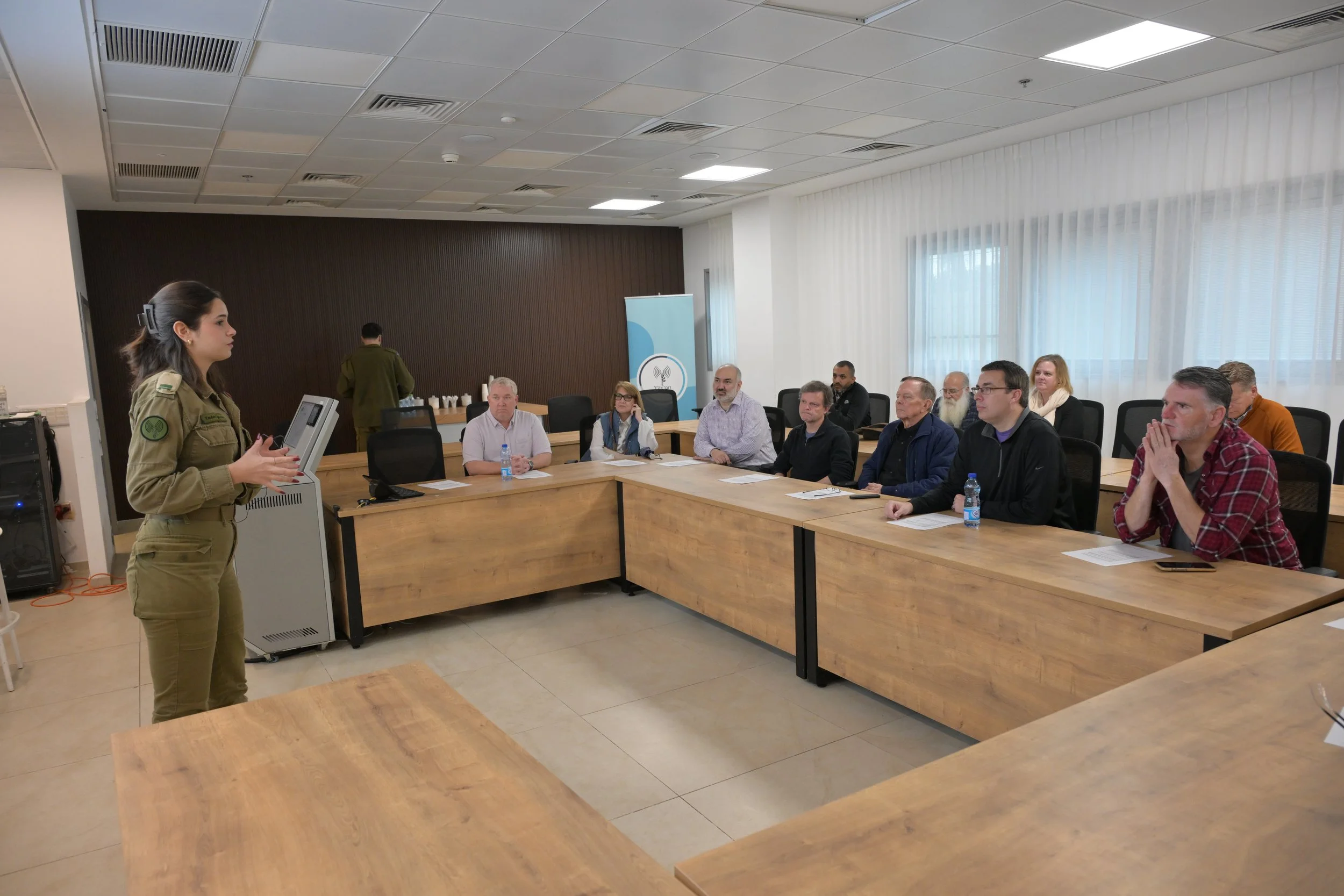
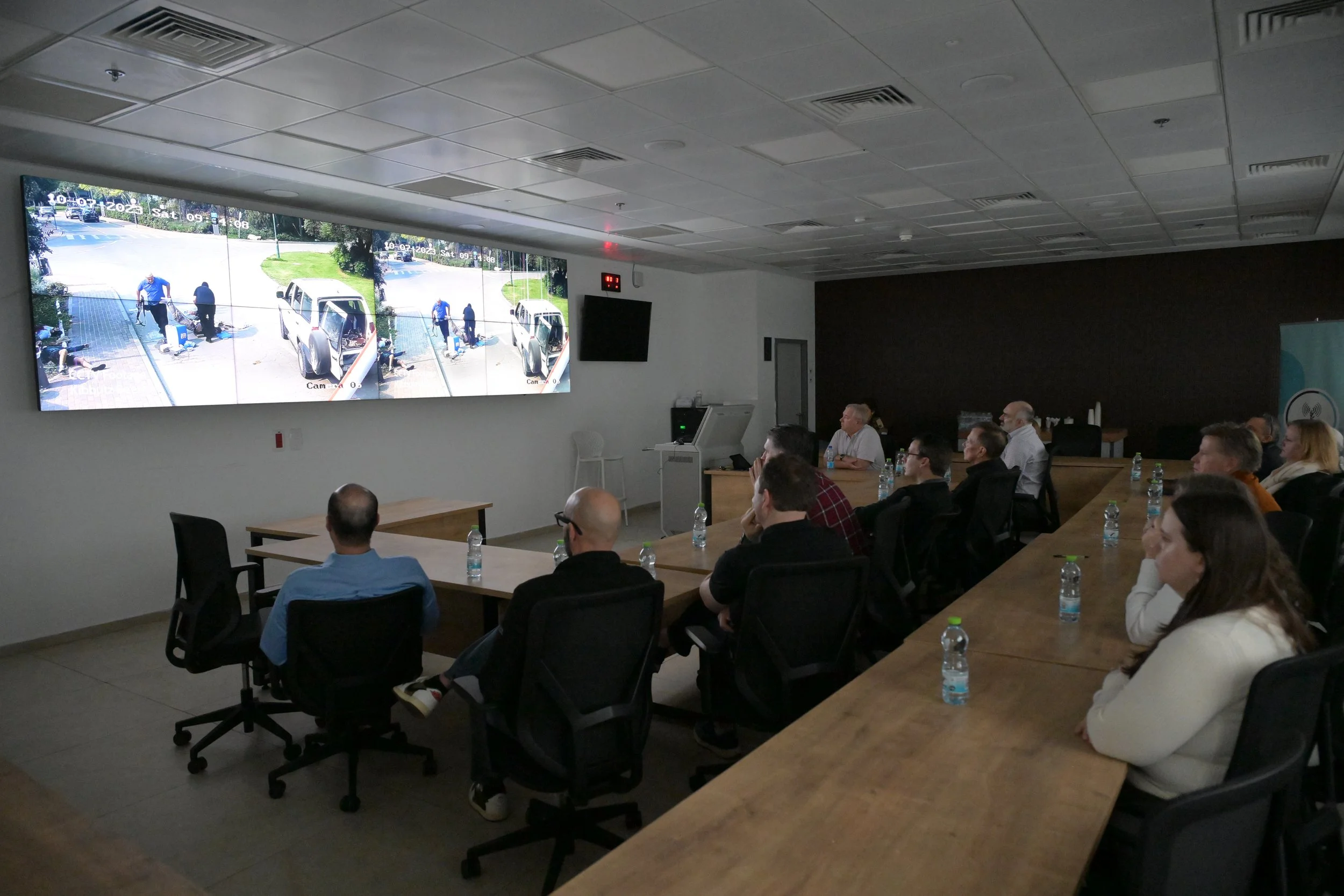
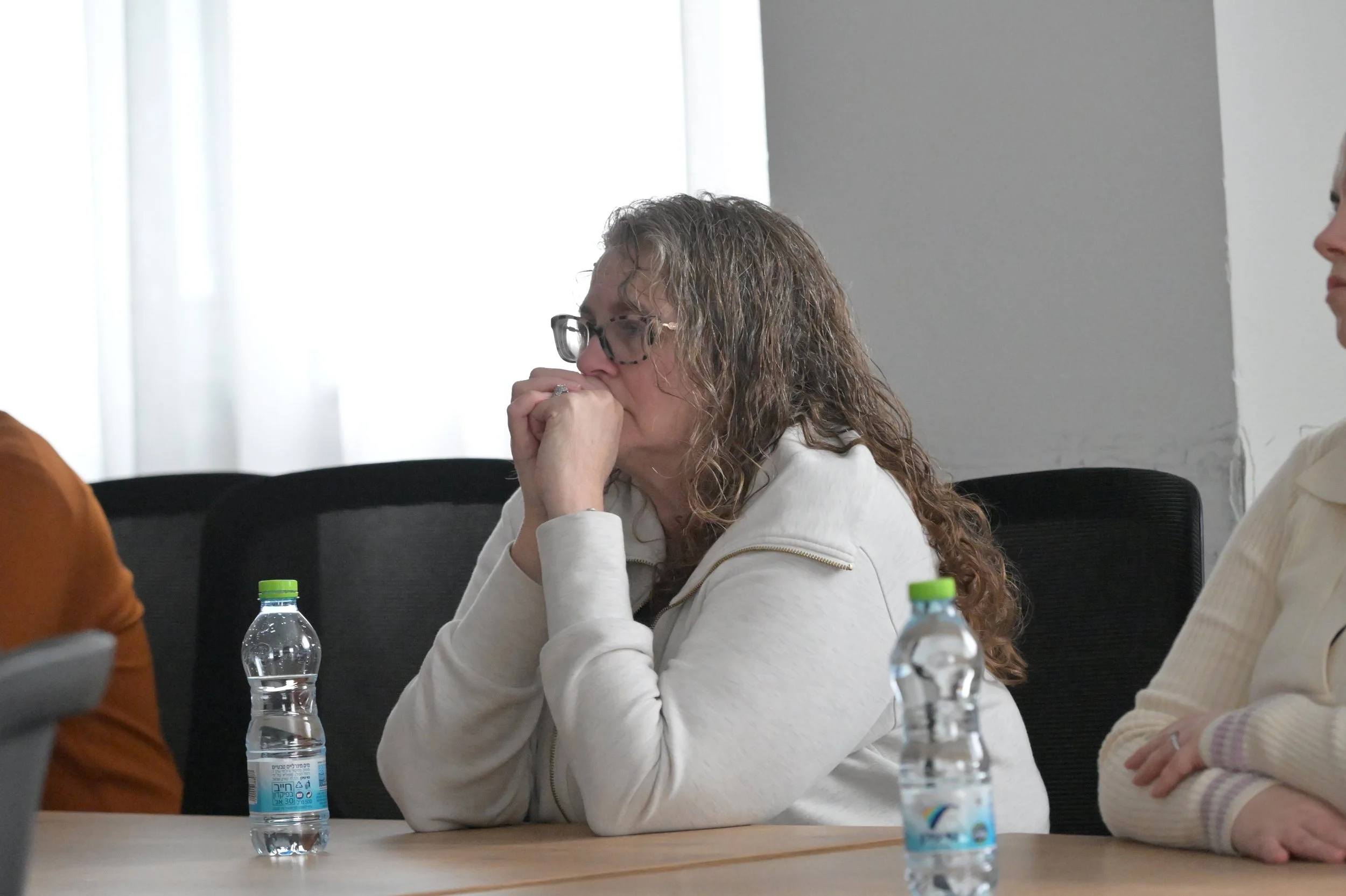
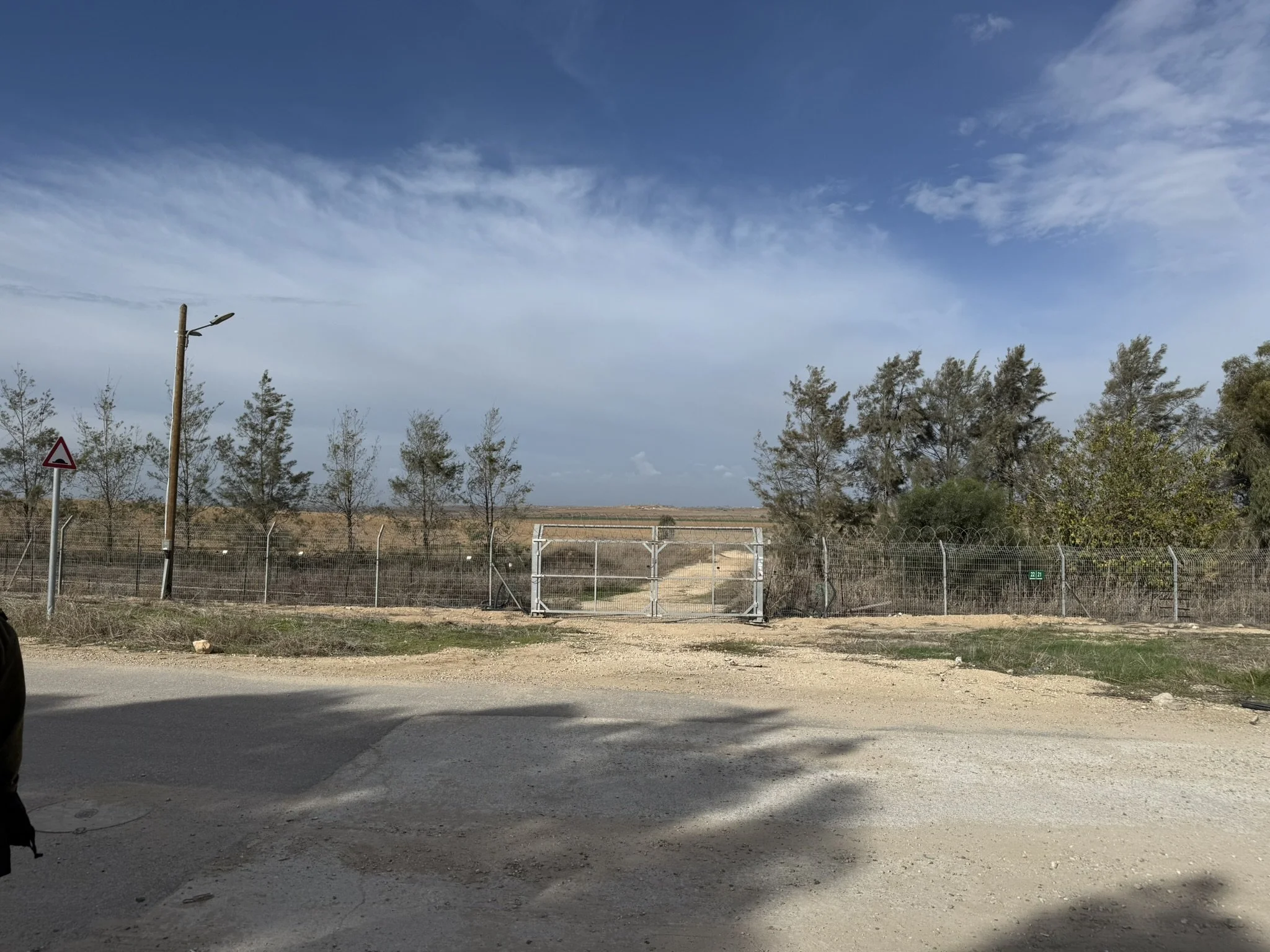
We departed Tel Aviv for the Gaza-envelope region, beginning with a screening of unedited October 7th footage at an IDF spokesperson base. The videos, recorded by Hamas terrorists themselves, showed unthinkable brutality against civilians — families in their homes, children, young people at the Nova Music Festival. It was barbaric, devastating, and impossible to forget.
From there, we visited a classified Iron Dome battery site (no photos allowed), where IDF soldiers explained how the system works and how it protects civilian communities from constant threat.
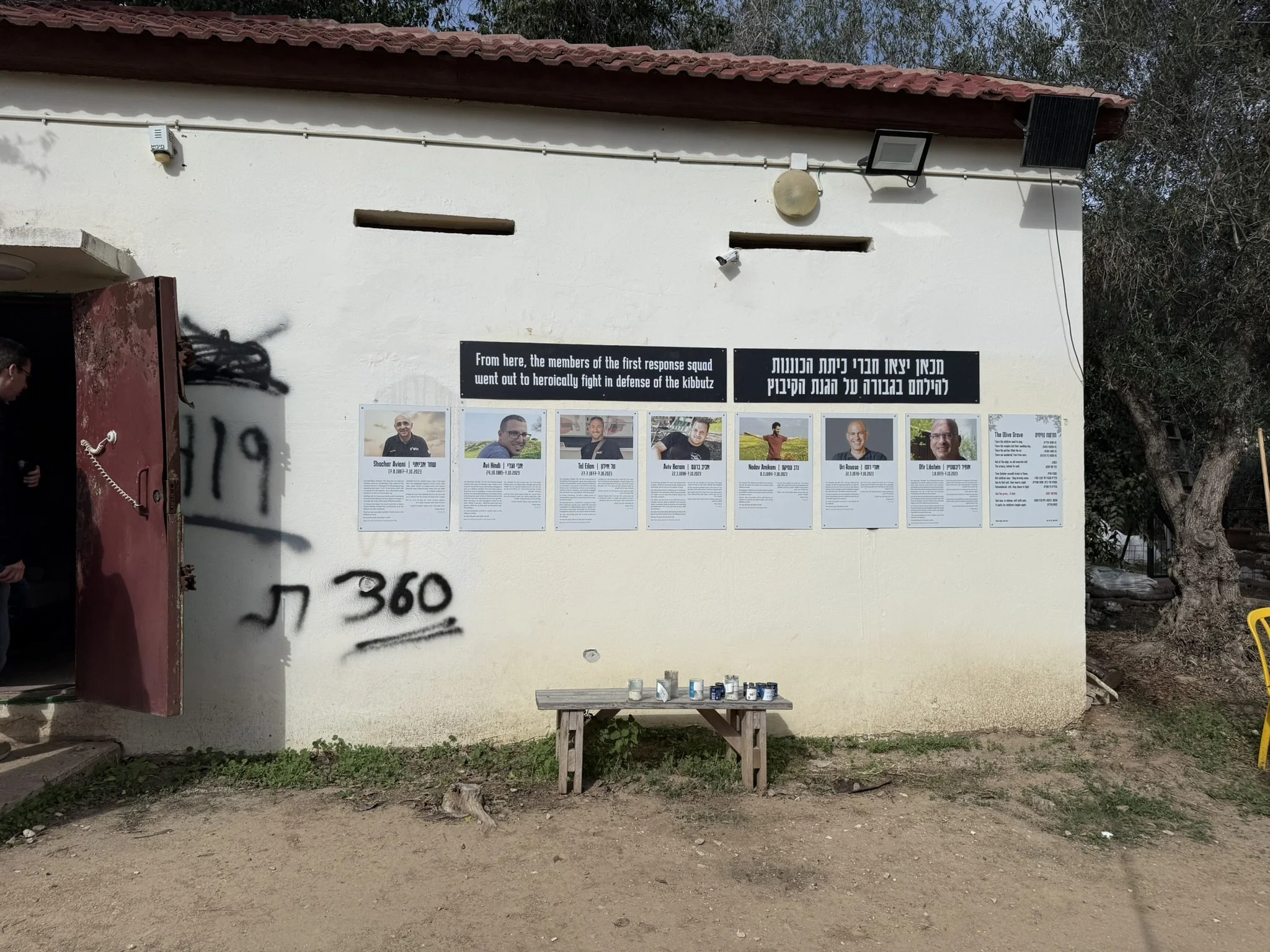
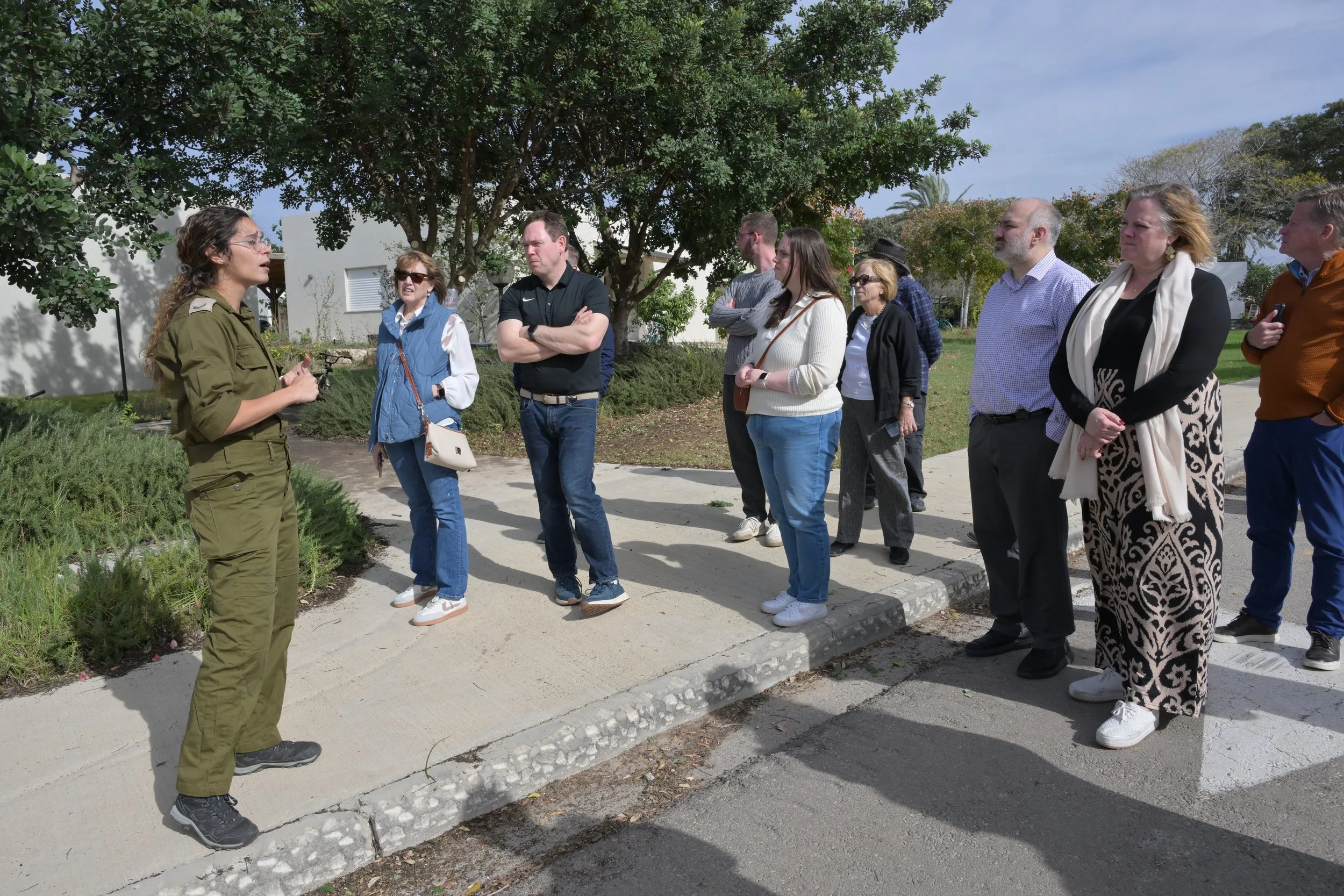
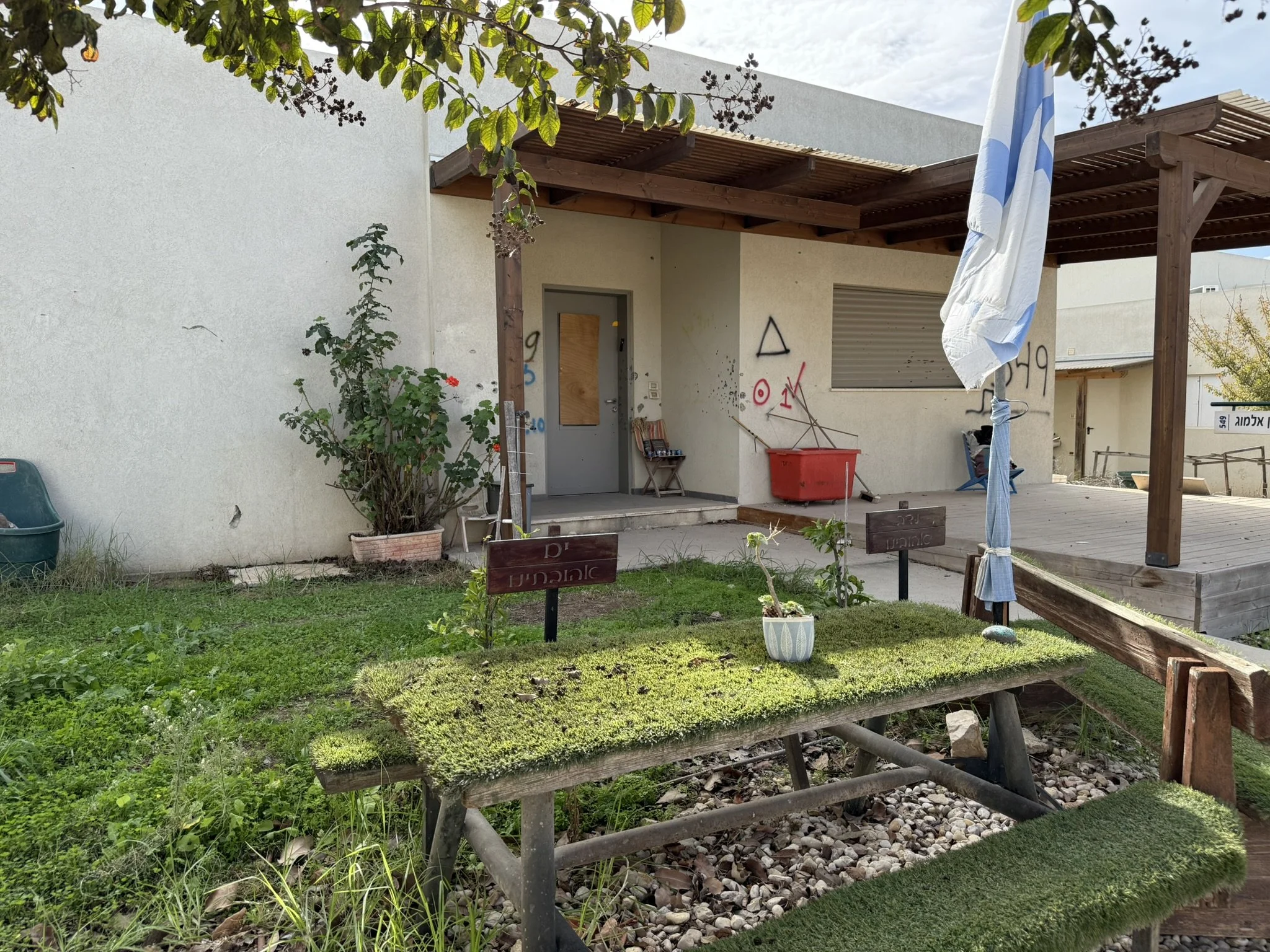
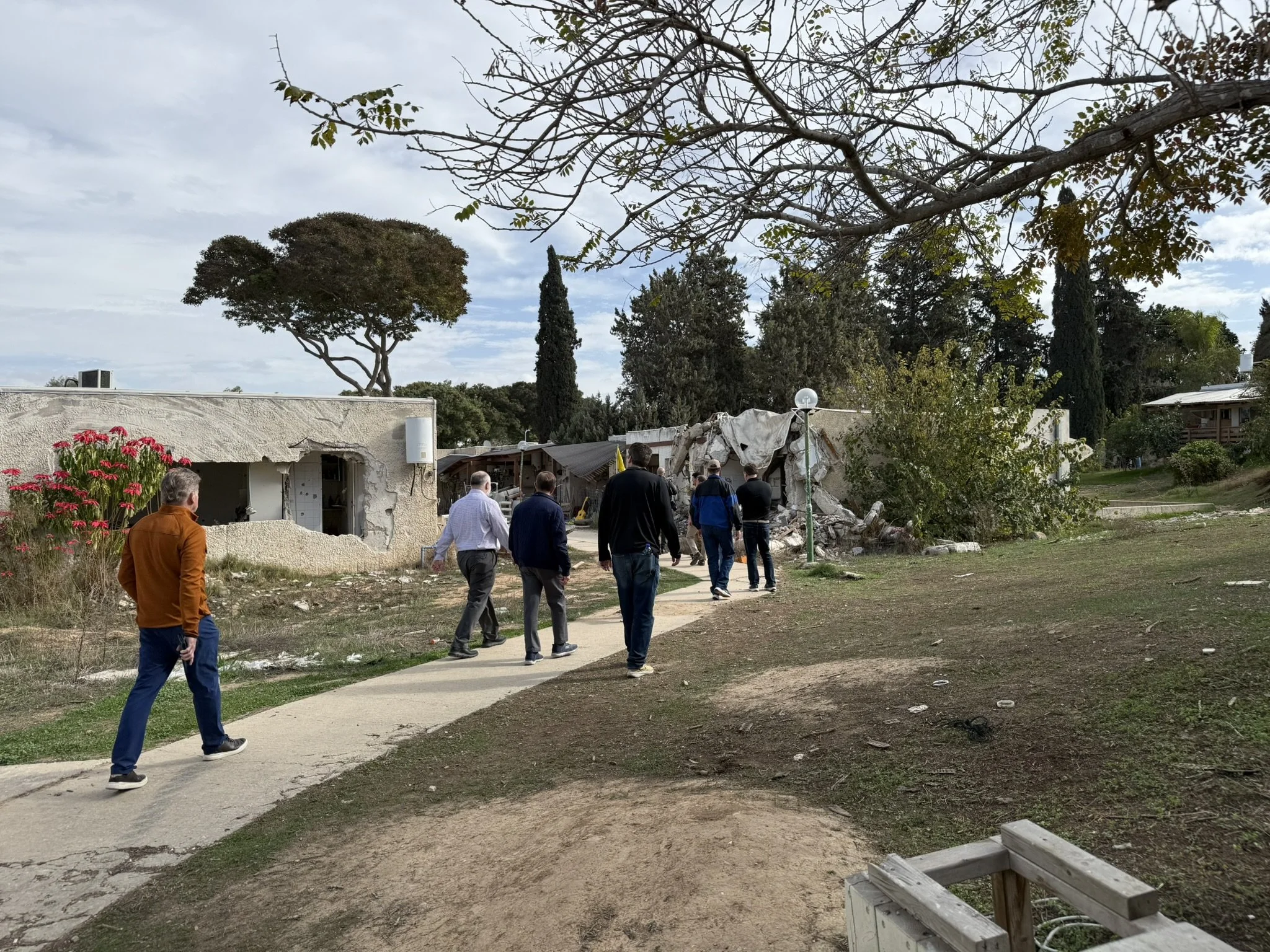
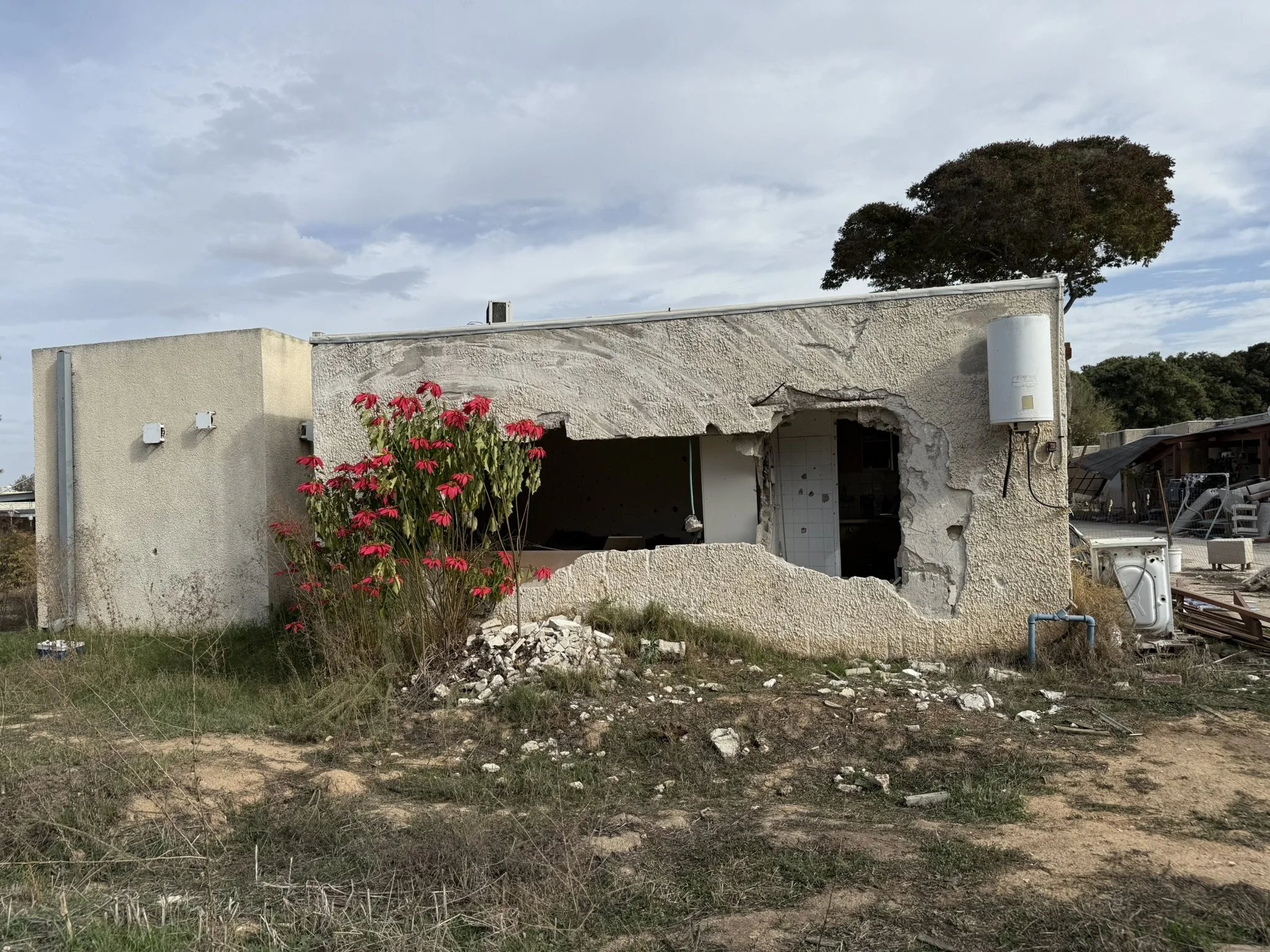
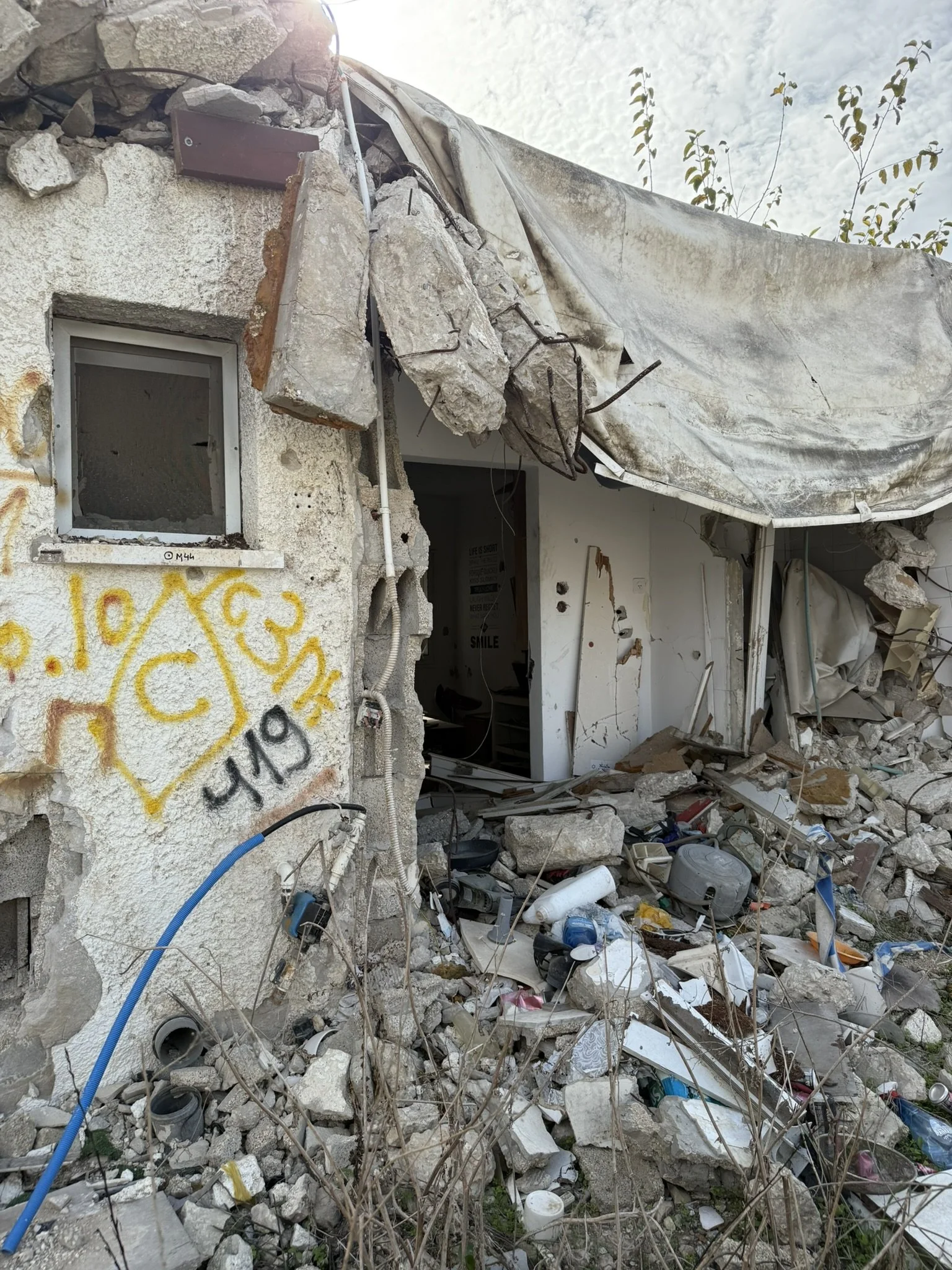
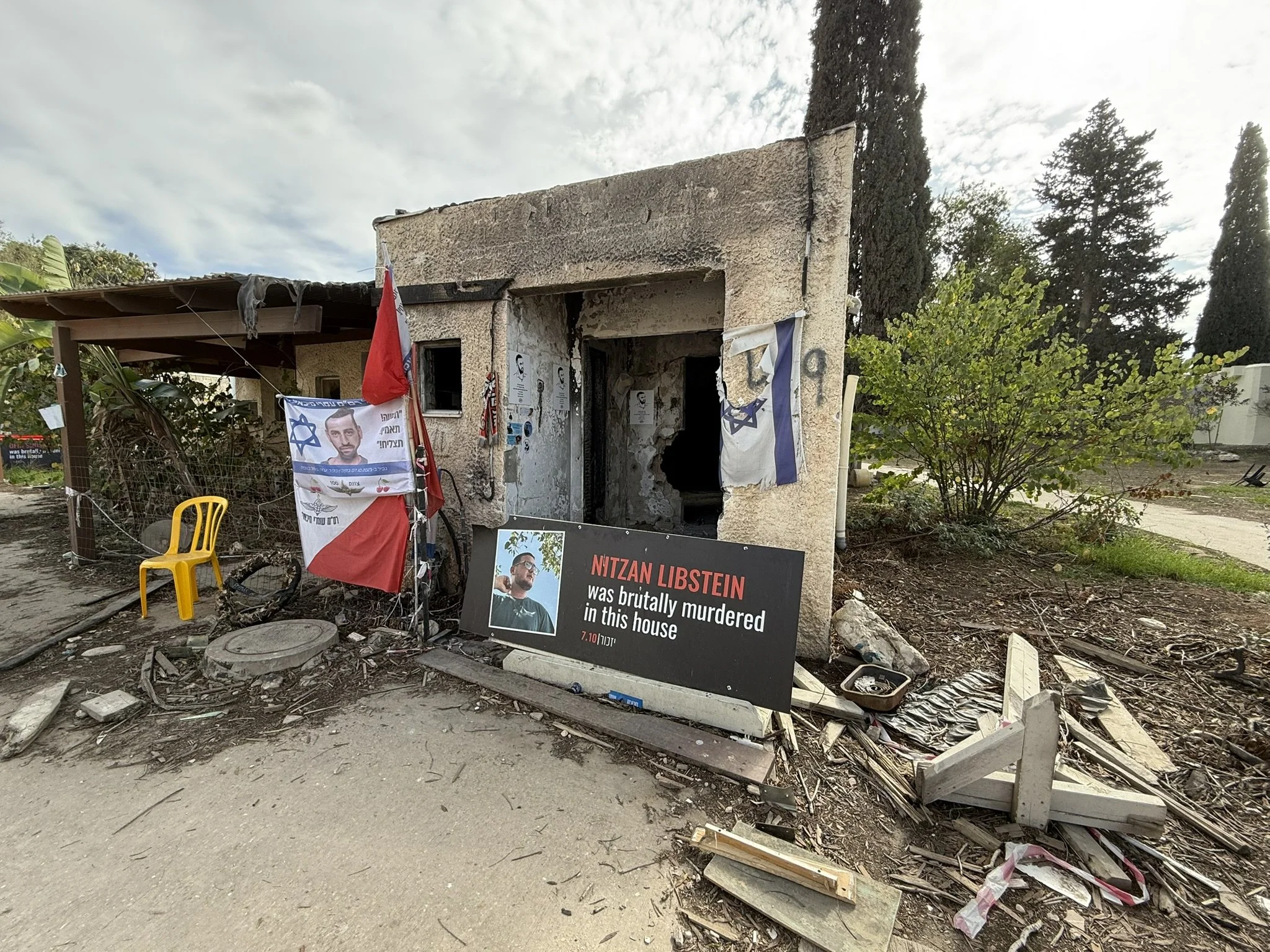
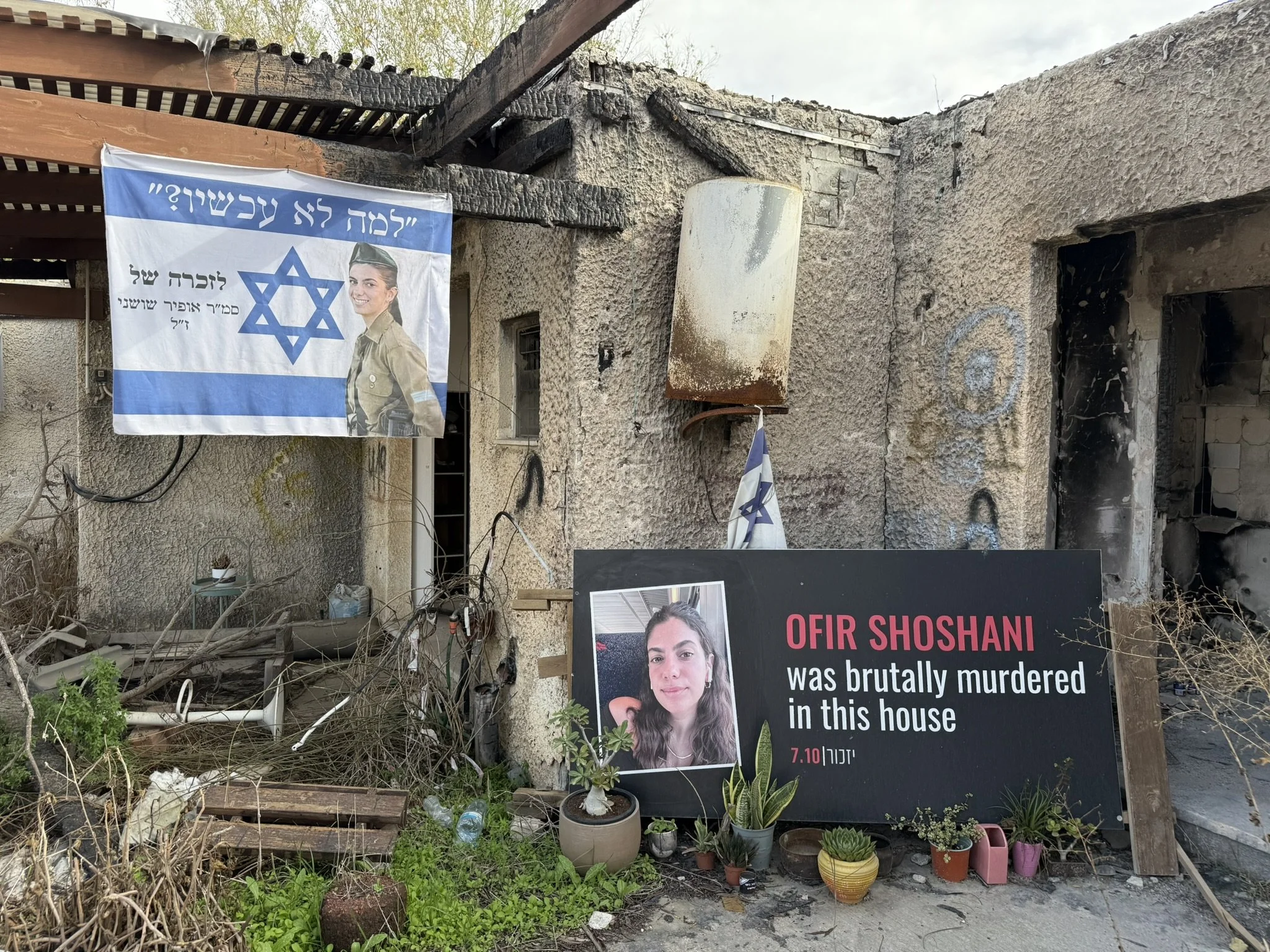
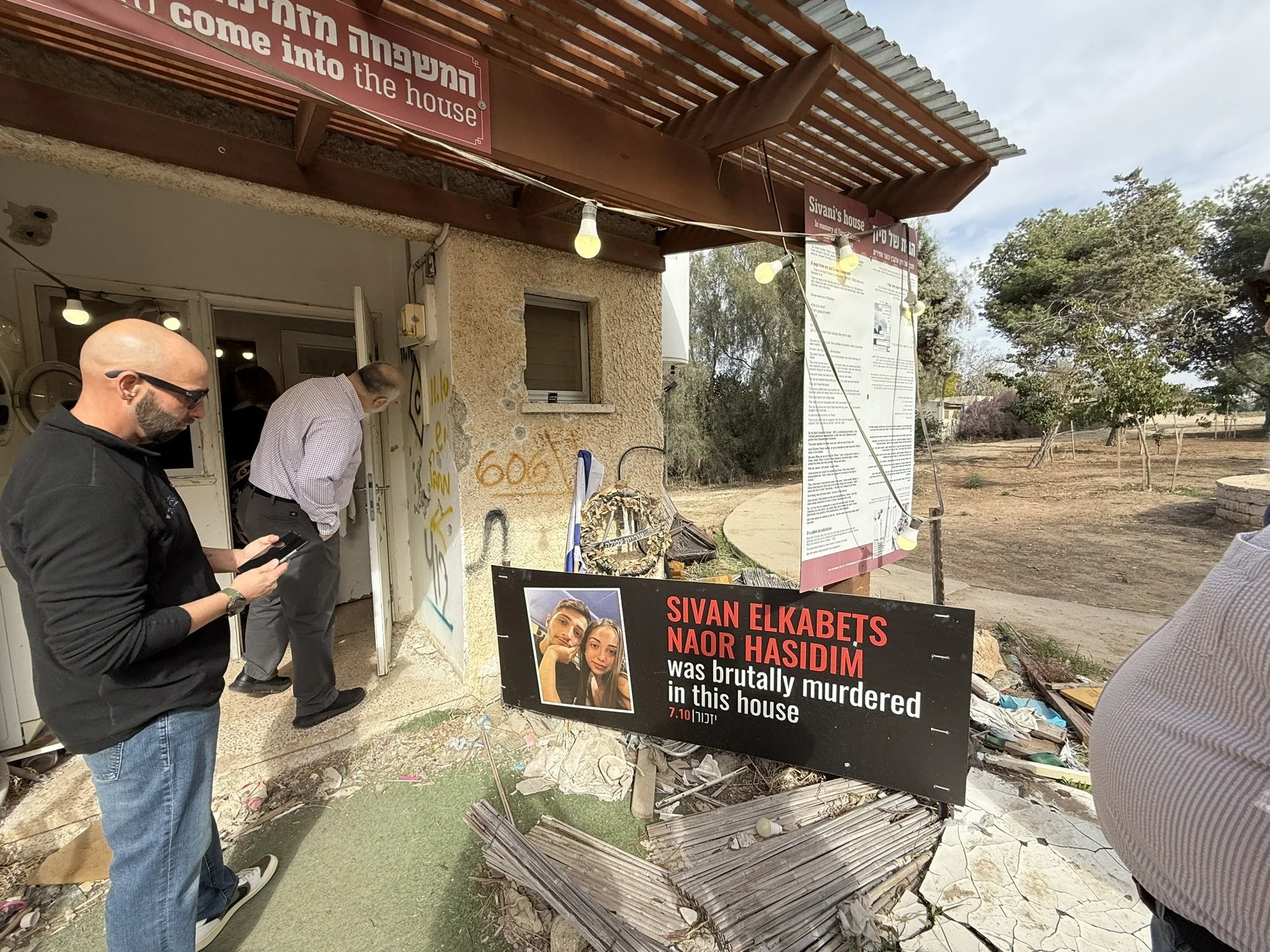
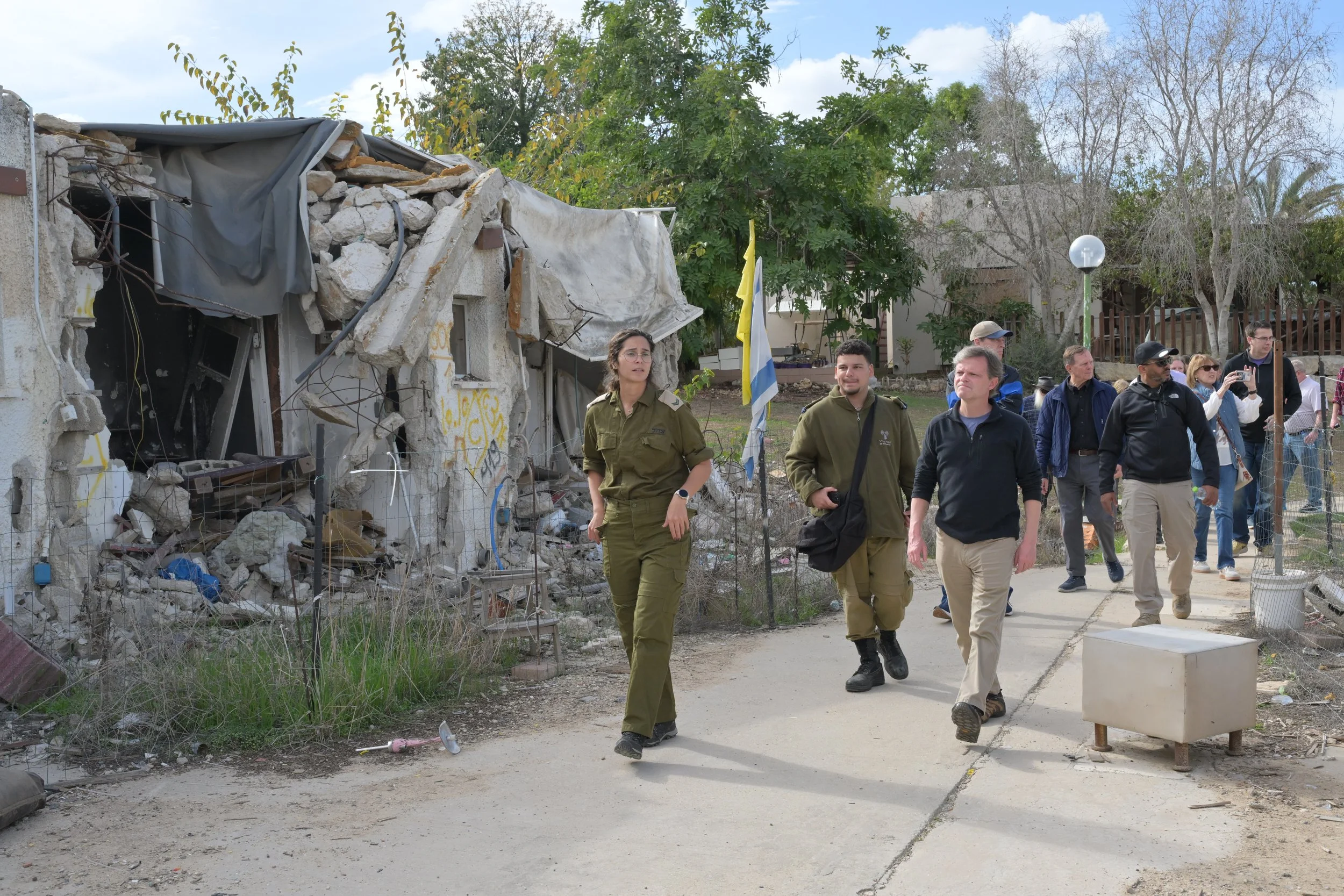
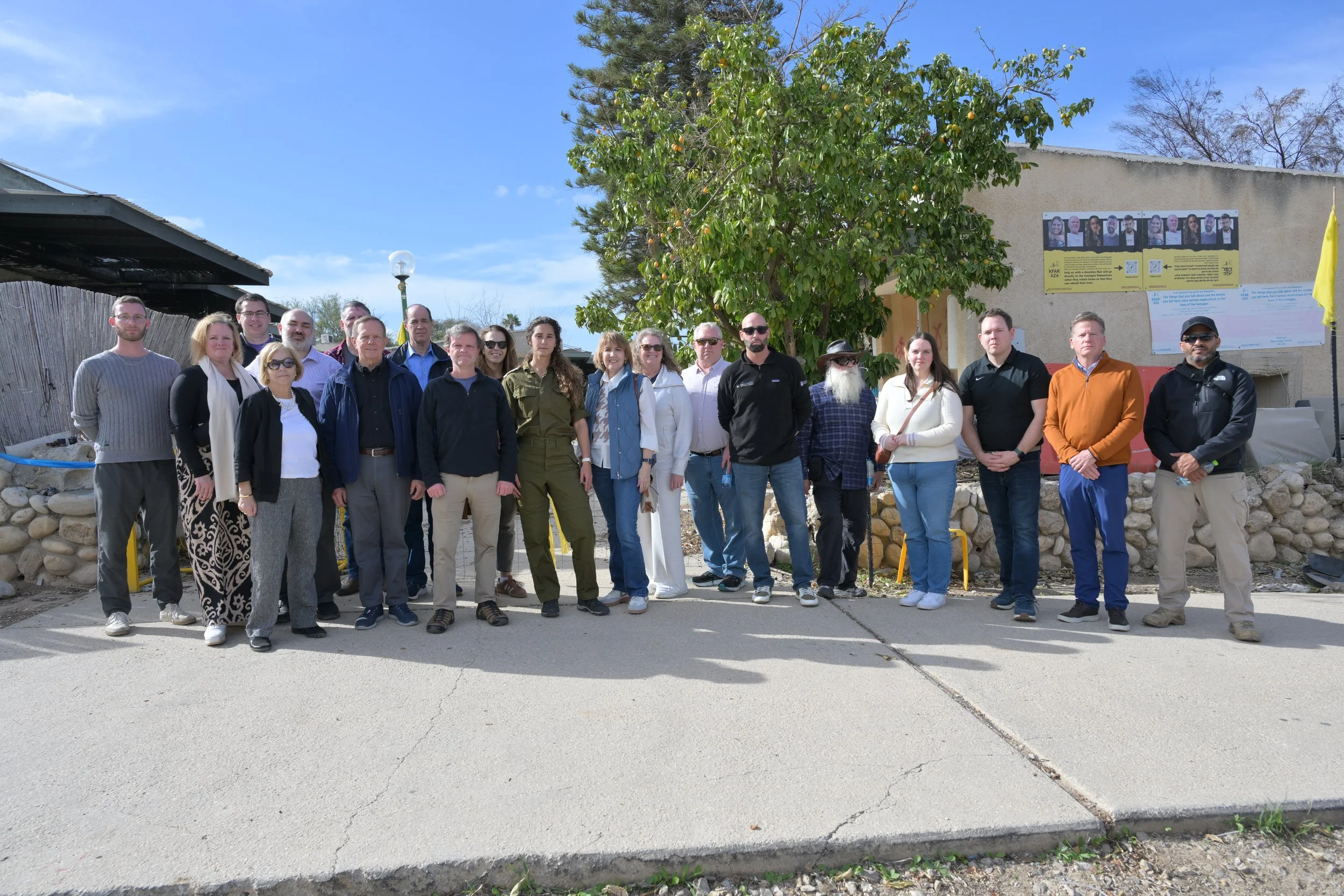
Our visit to Kfar Aza, one of the first communities attacked on October 7th, was heartbreaking. We learned how terrorists targeted the community’s weapons room first, leaving residents defenseless. Some attackers had previously worked in the community and used that access to gather intelligence. Families hiding in safe rooms were burned out or attacked with grenades. One story — of parents murdered in front of their infant twins, who were left alive as bait — will haunt me forever.
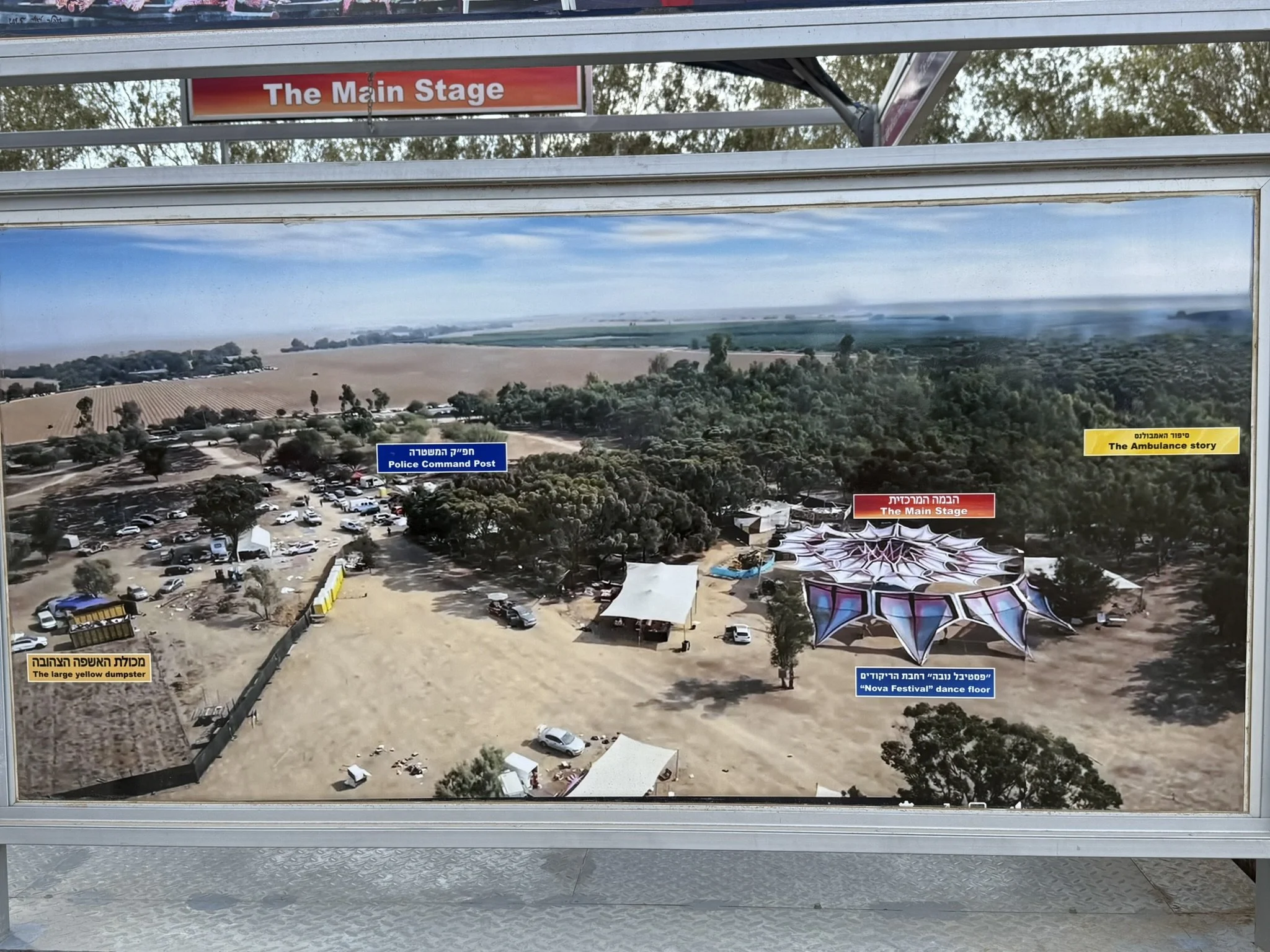
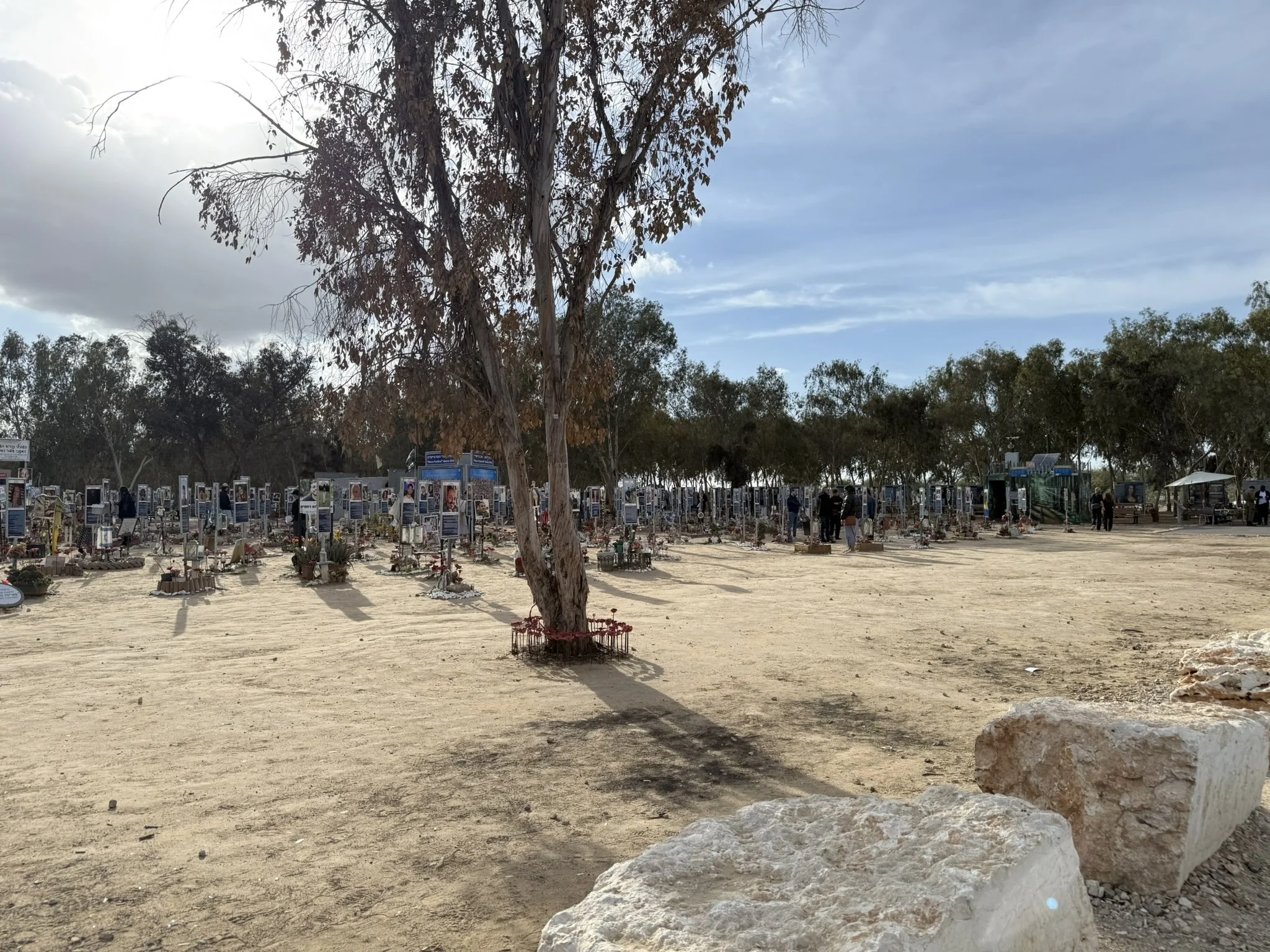
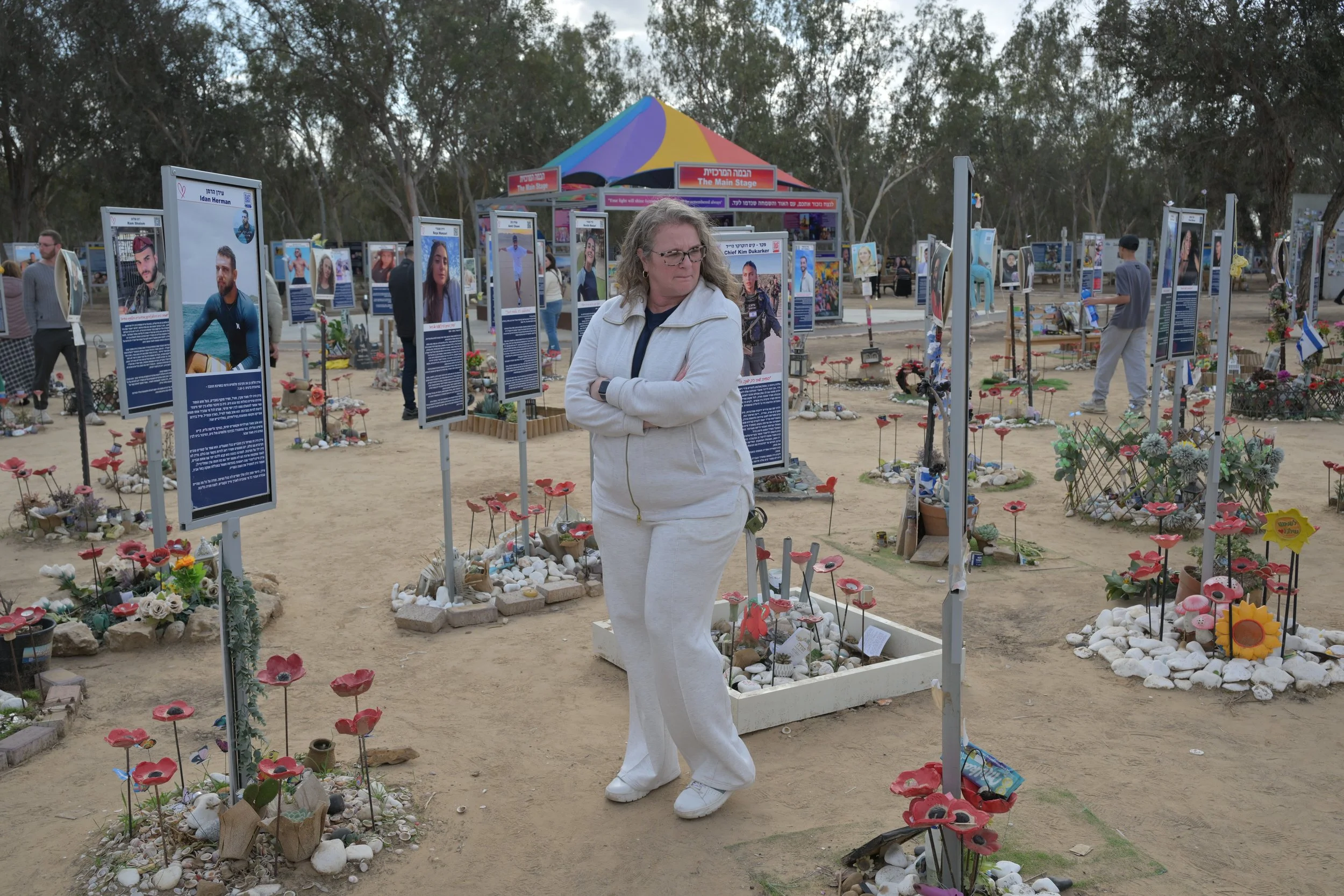
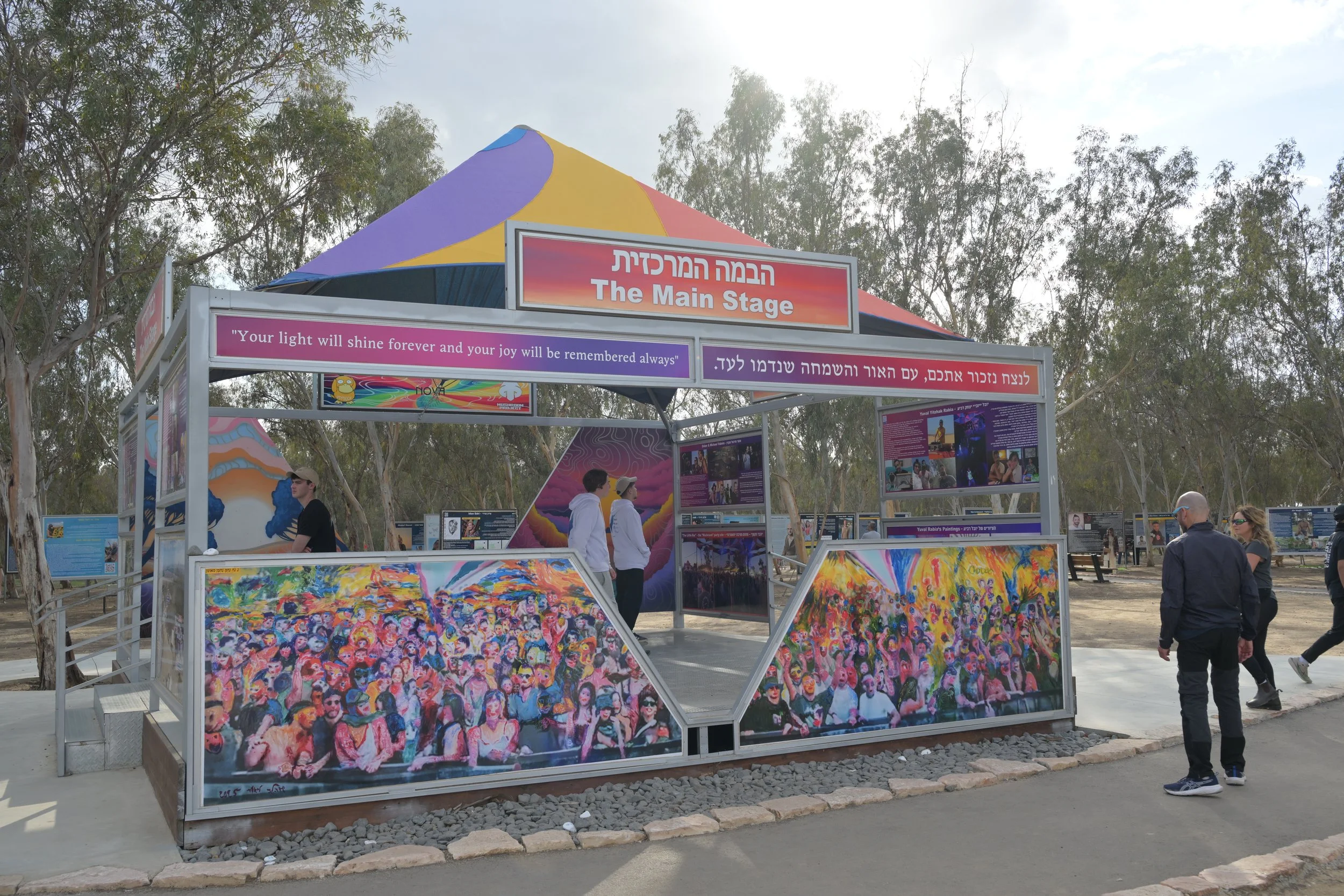
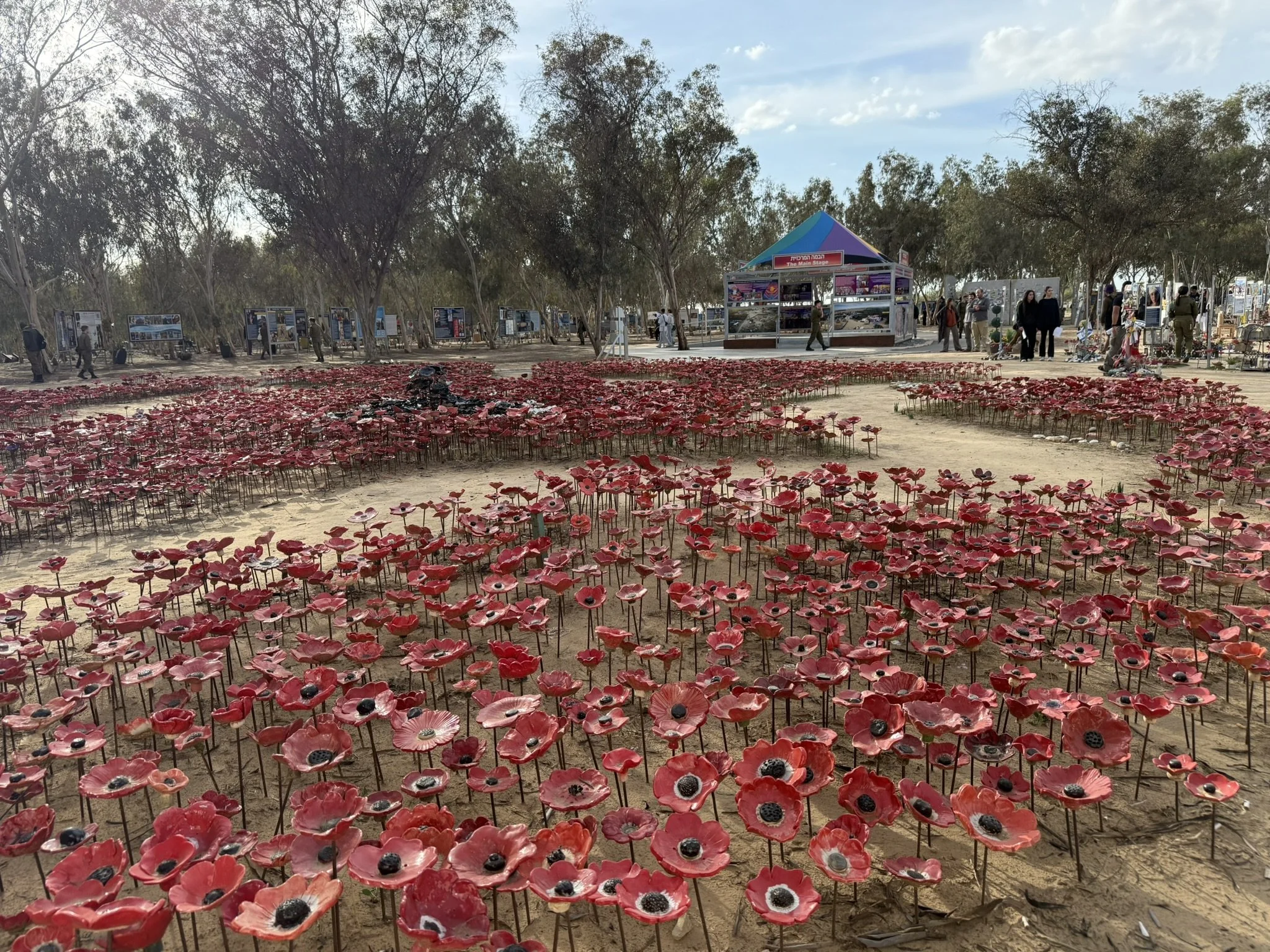
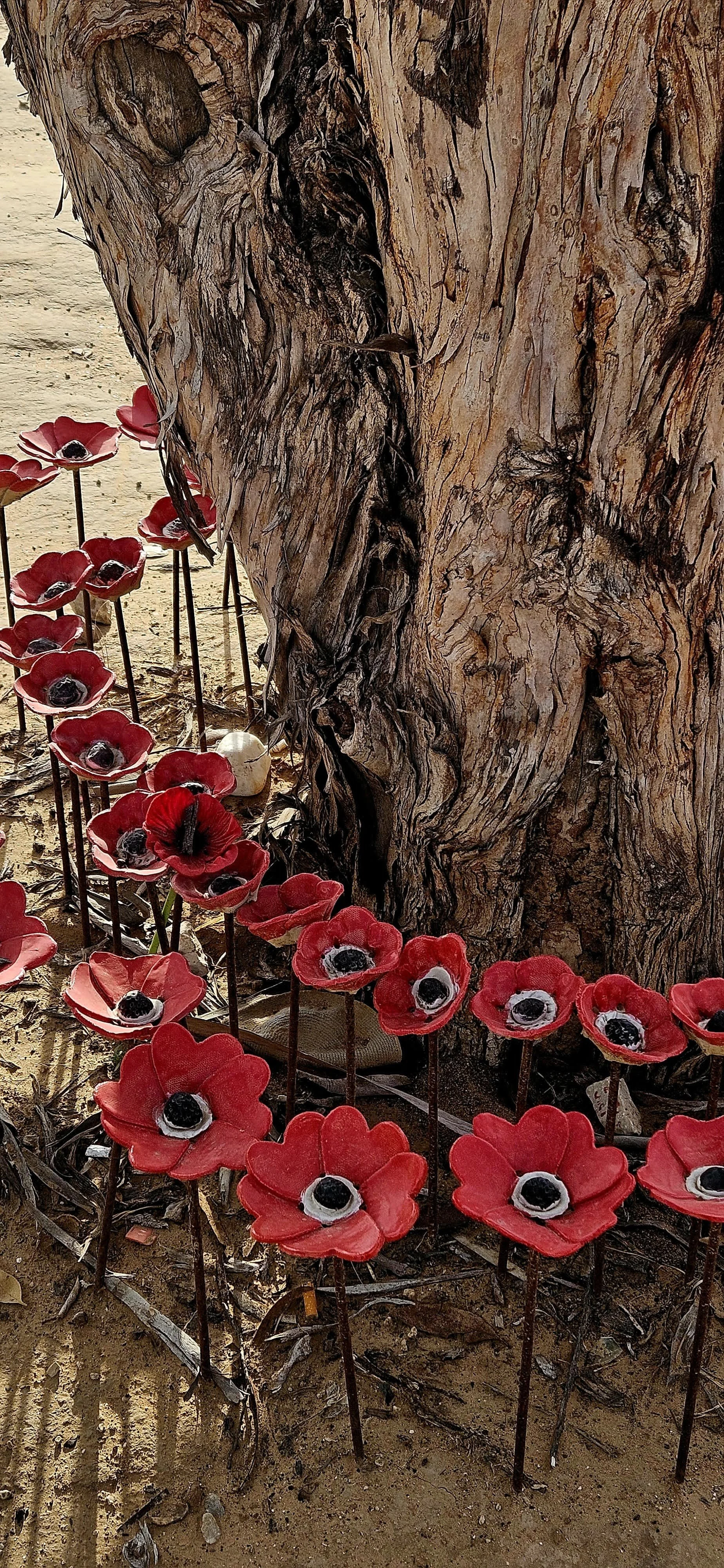
At the Nova Music Festival site, we stood where 378 innocent people were murdered while trying to flee. Exits were blocked. There was no escape.
We also visited the Nahal Oz IDF base, where many of the soldiers present during the attack were young, unarmed women. Hearing their stories added another layer of grief and disbelief.
We ended the day at the Sderot Innovation & Resilience Center, where local leaders shared how they are rebuilding lives through technology, community programs, and unwavering determination.
What I’ll Carry with Me:
This region is complex — but there is never justification for unprovoked, barbaric acts of terror. This was not war as we typically understand it. It was systematic violence against civilians. I keep asking myself: If this happened to us, how would we respond?
The people of this land are extraordinarily resilient, courageous, and kind — even in the face of unimaginable trauma.
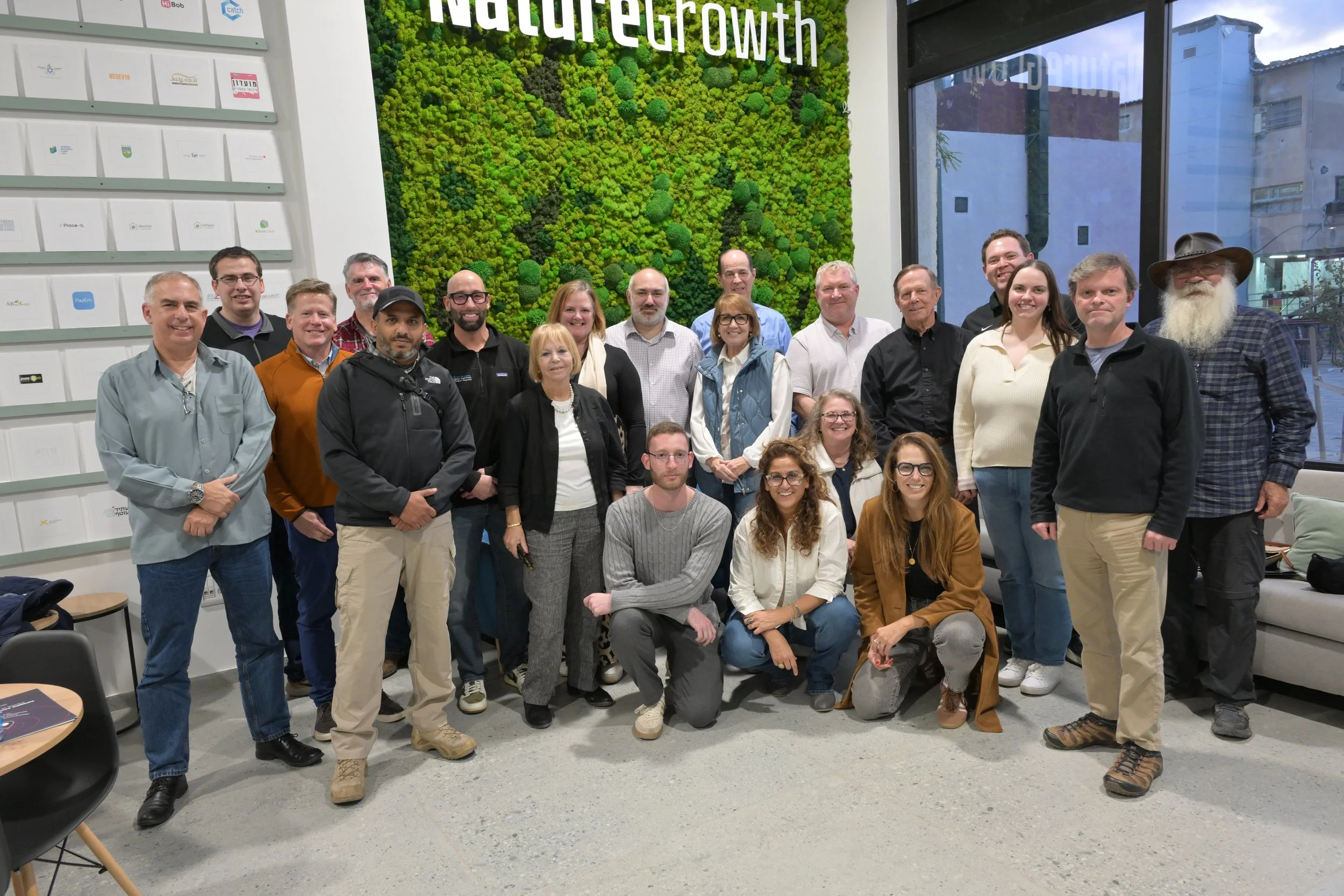
The Sderot Innovation & Resilience Center provides training and workshops for the community after traumatic and stressful situations. Due to the impact of our day, we spent some time with their team before continuing onto Jerusalem.
Wednesday, December 10 — Leadership & Heritage | Jerusalem
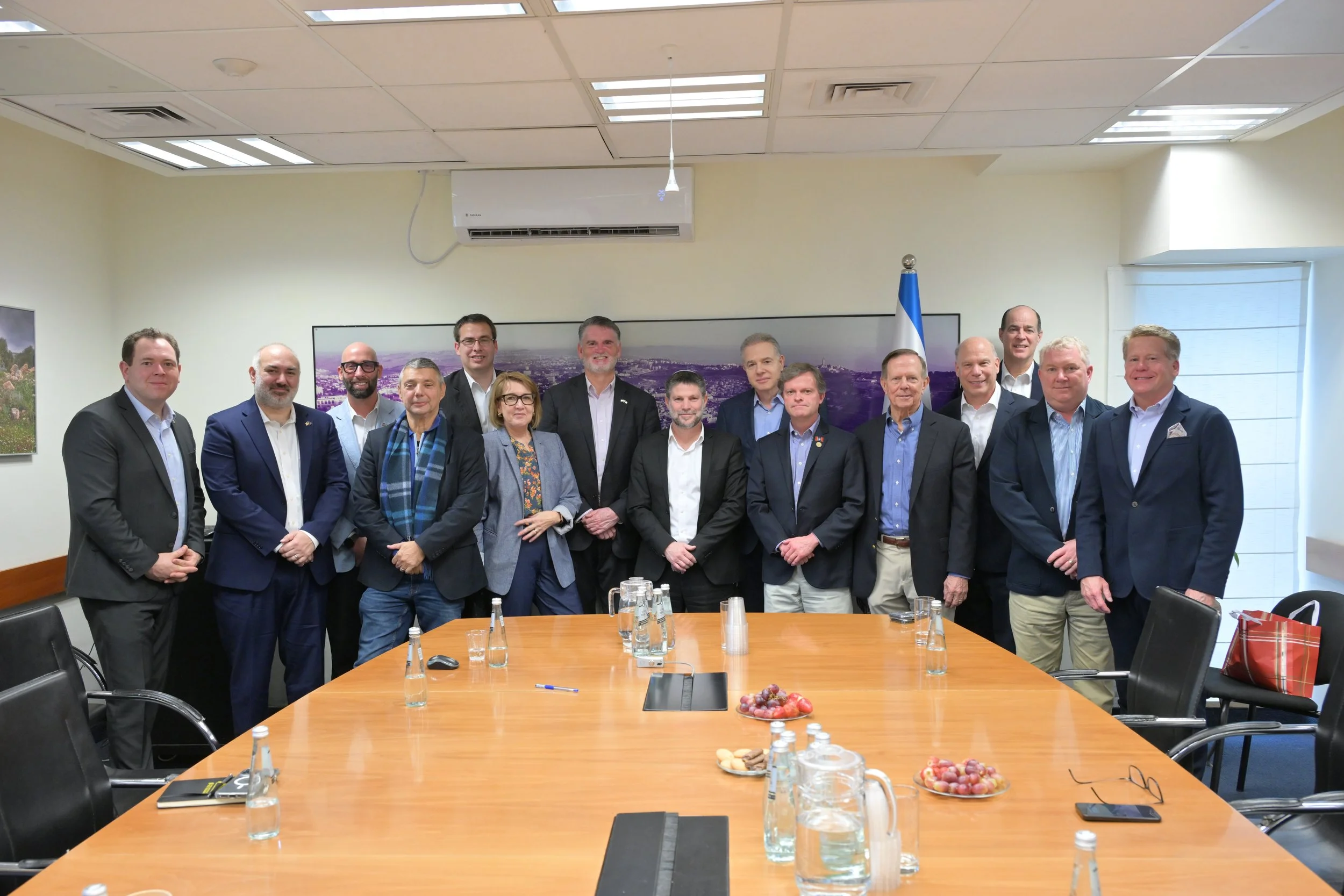
We traveled to Jerusalem to meet with the Minister of Finance of Israel, discussing national priorities and economic recovery.
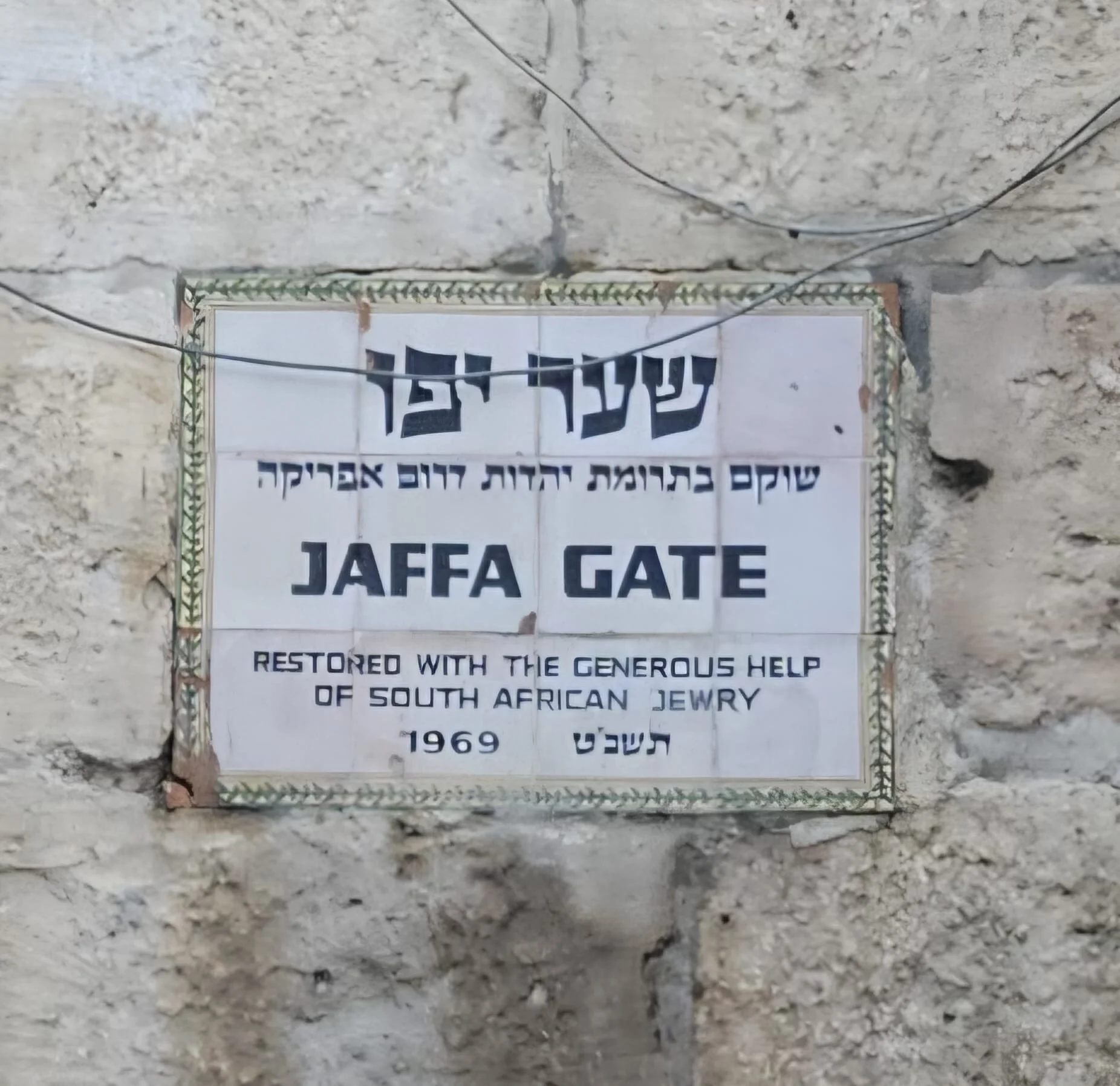
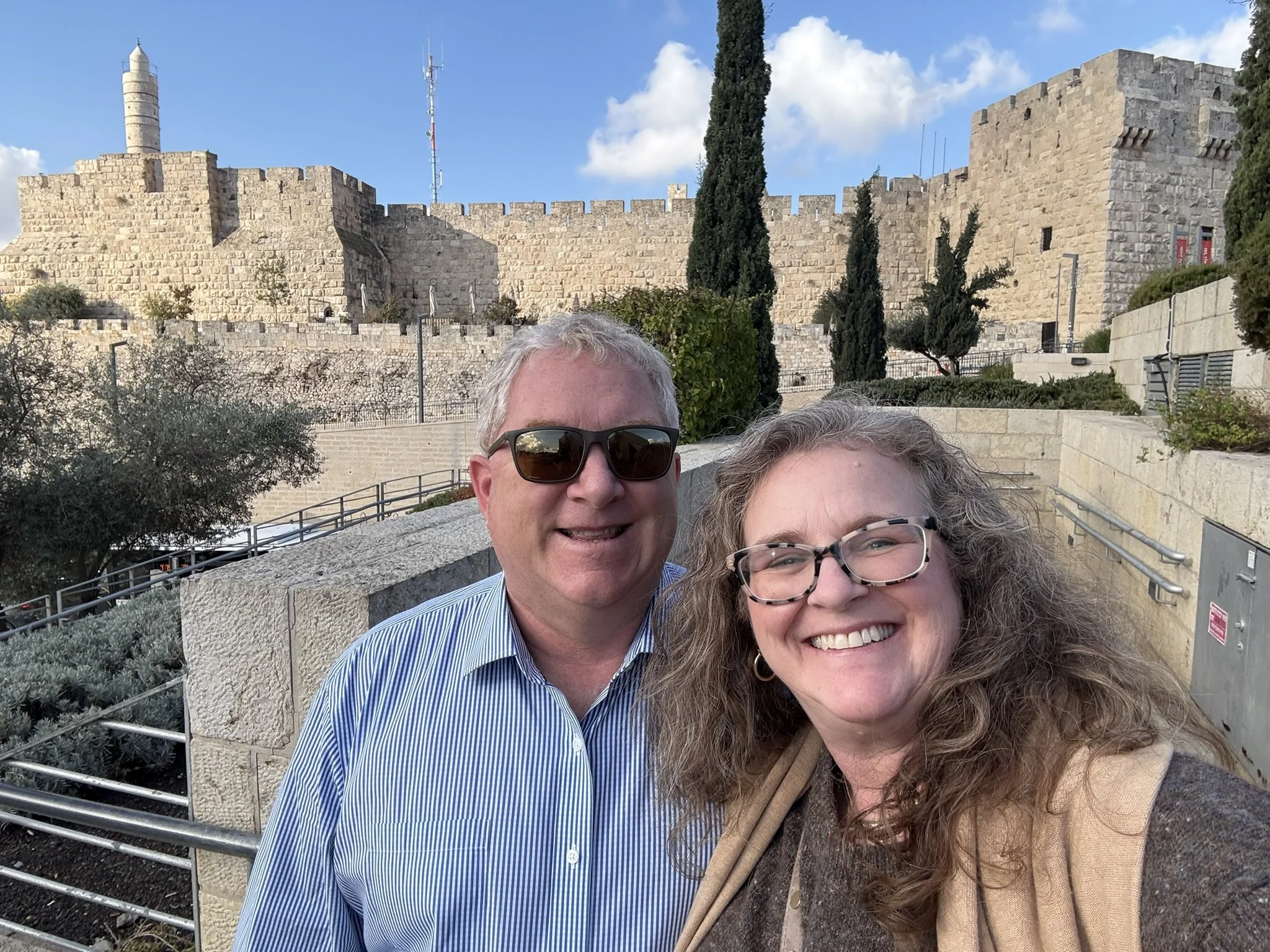
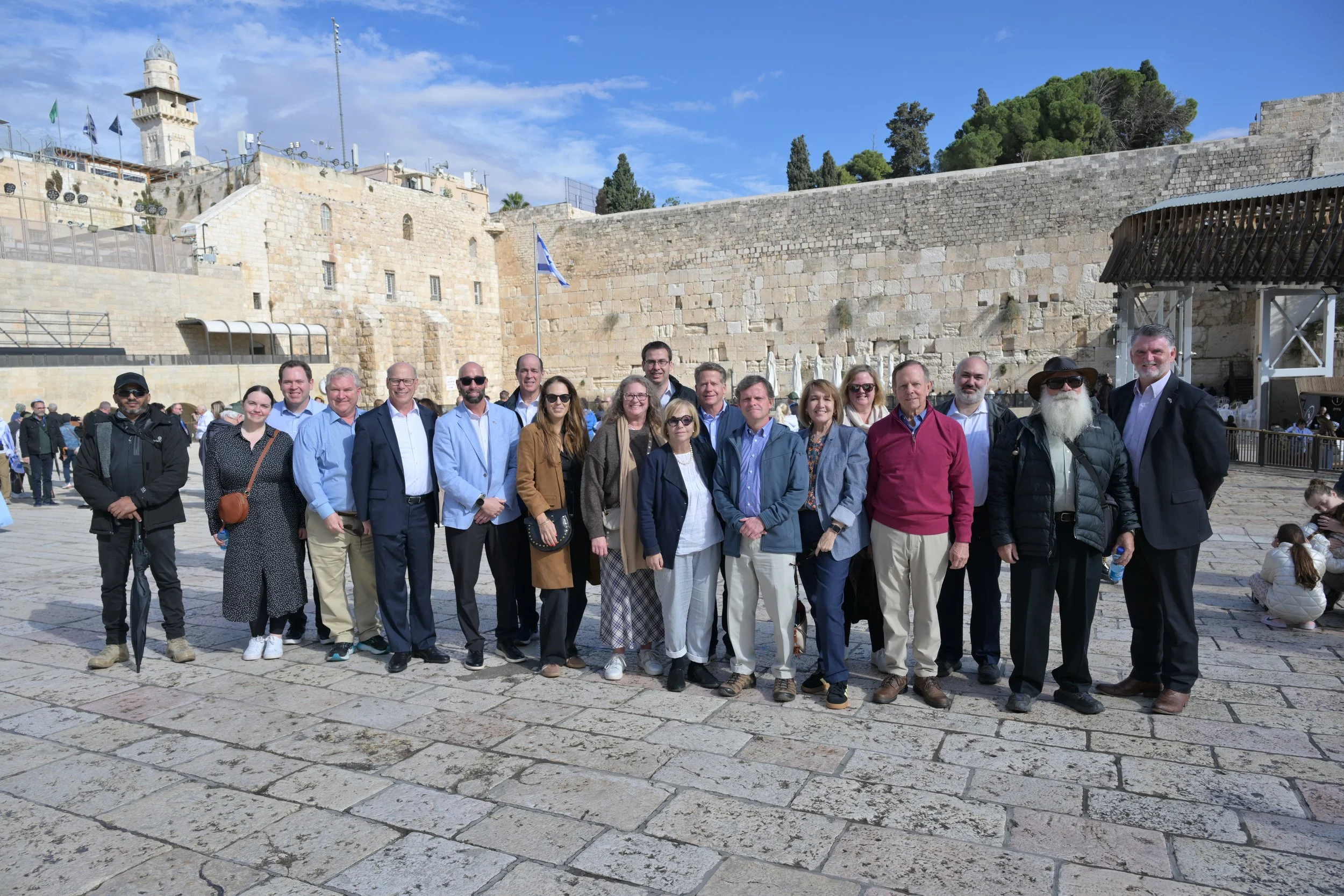
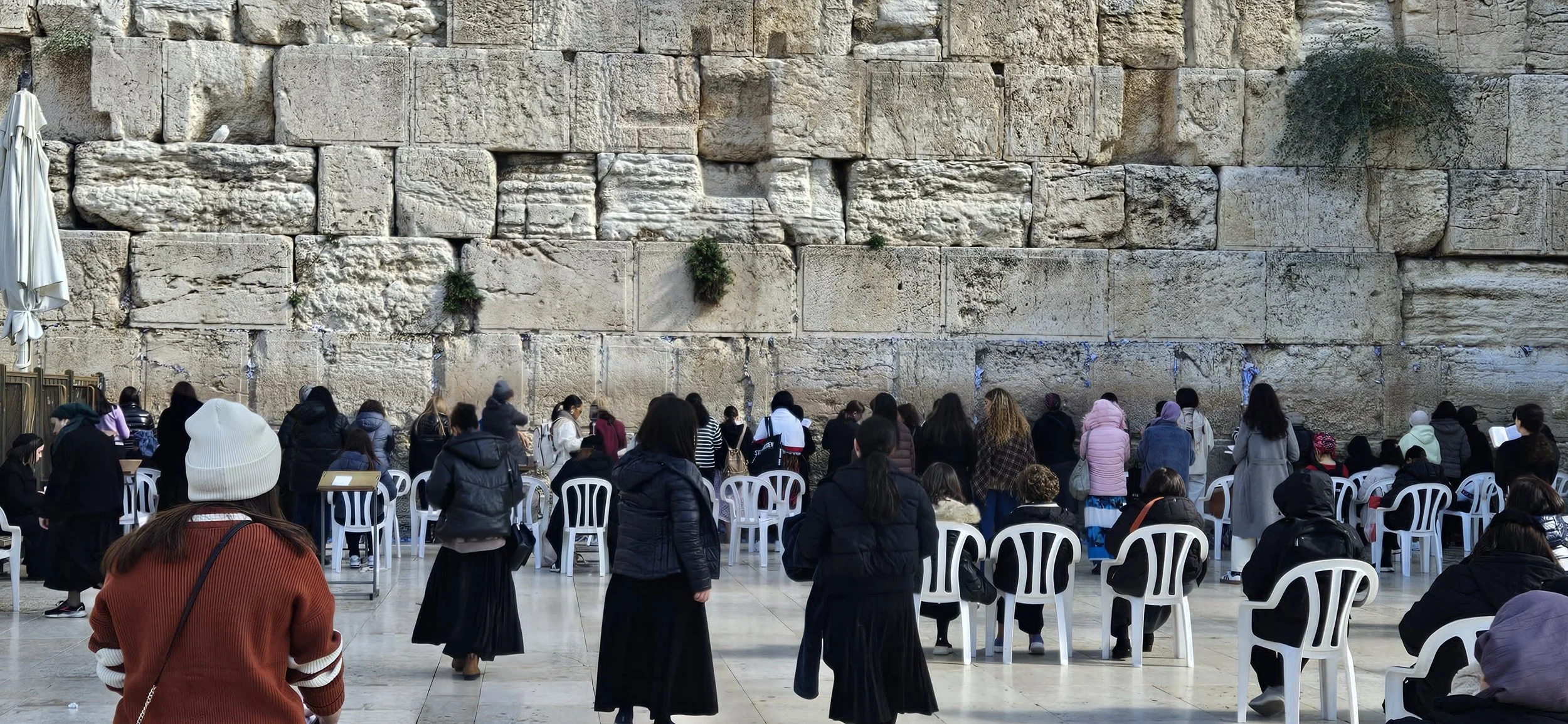
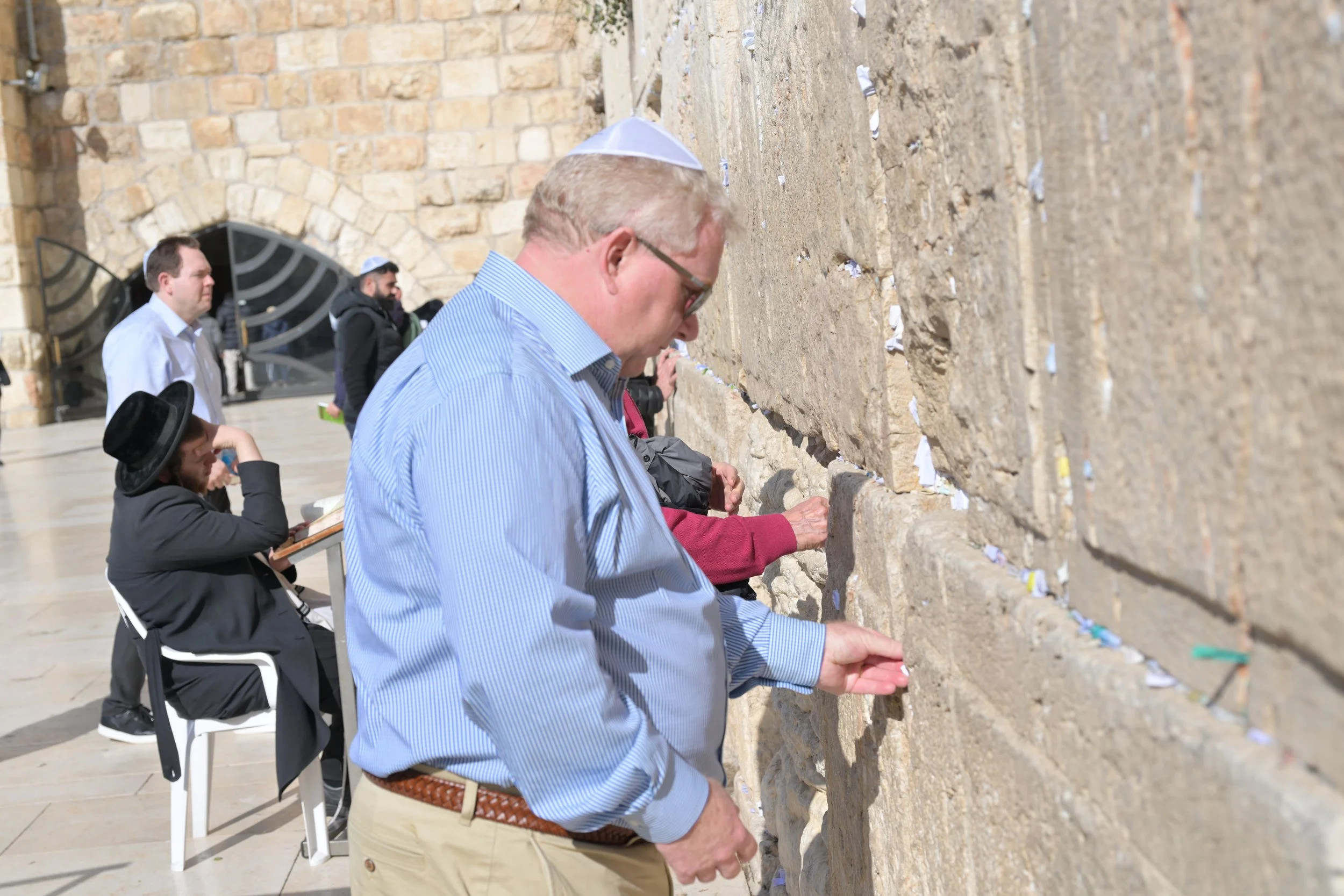
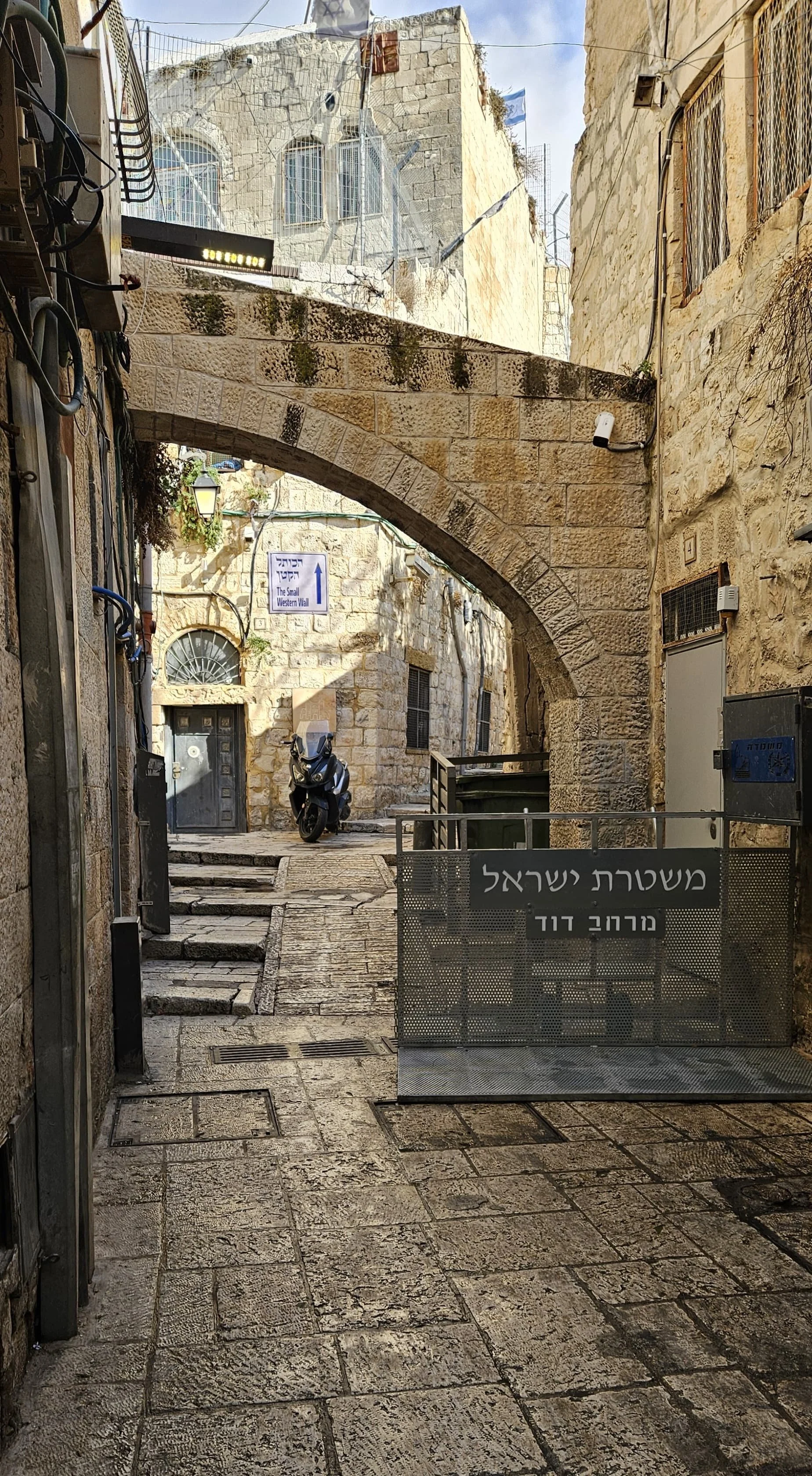
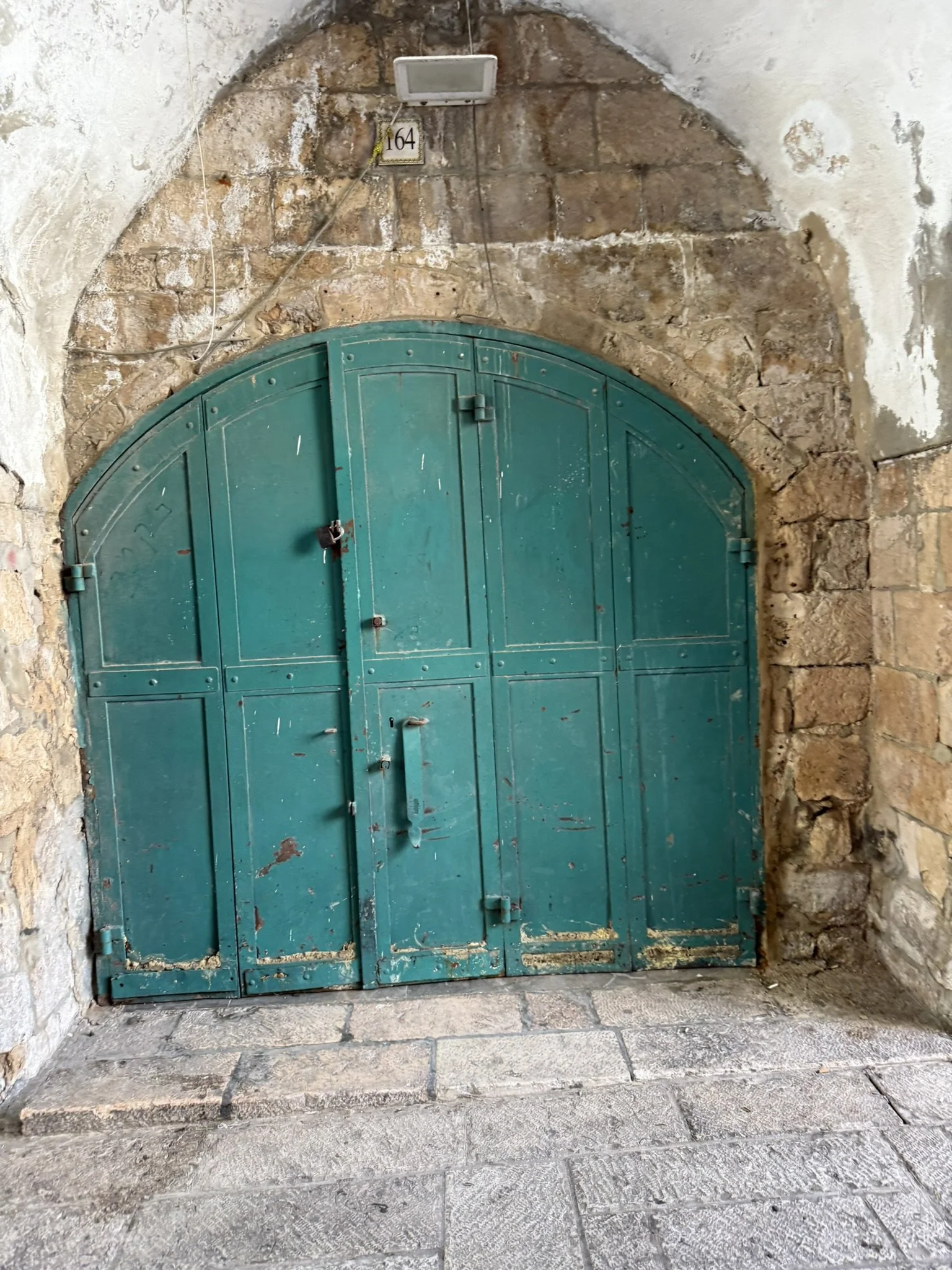

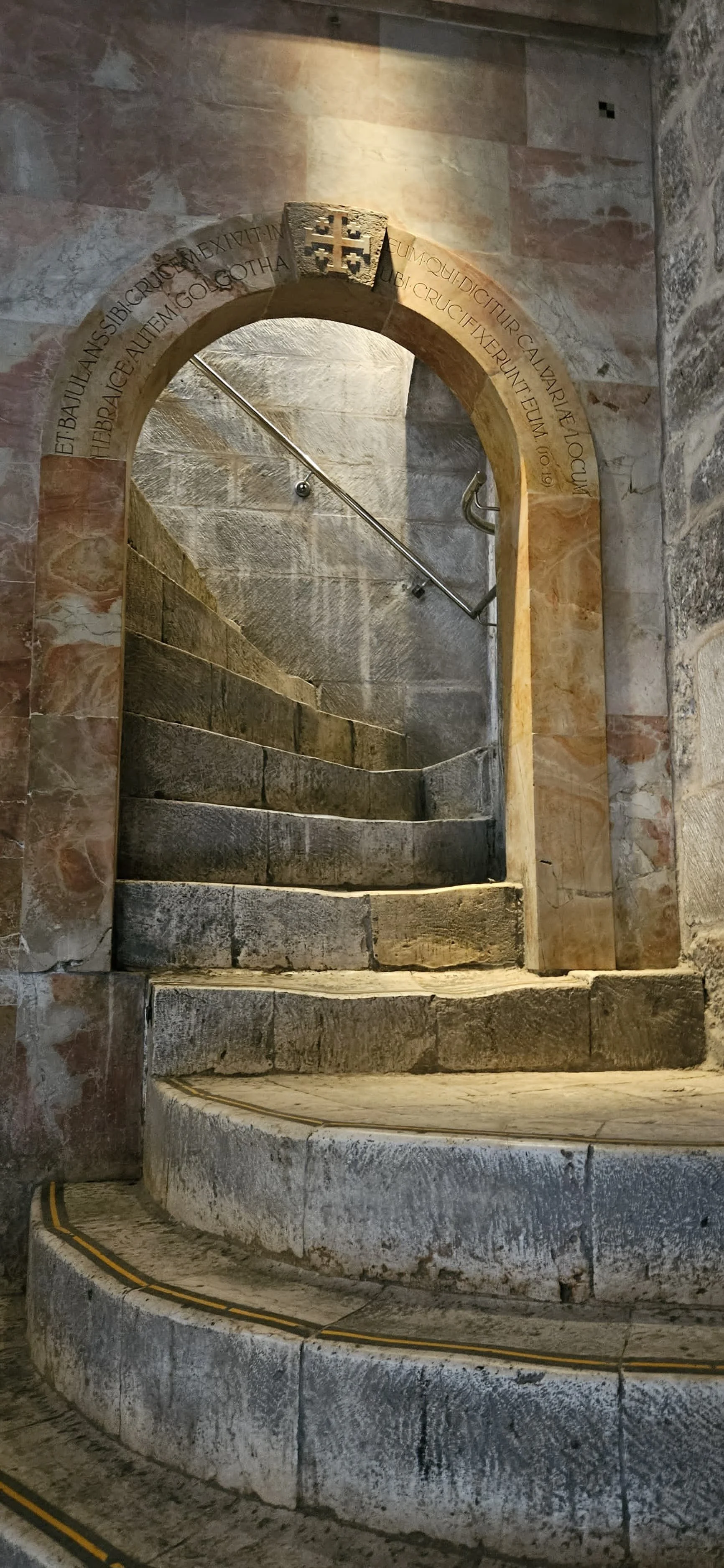
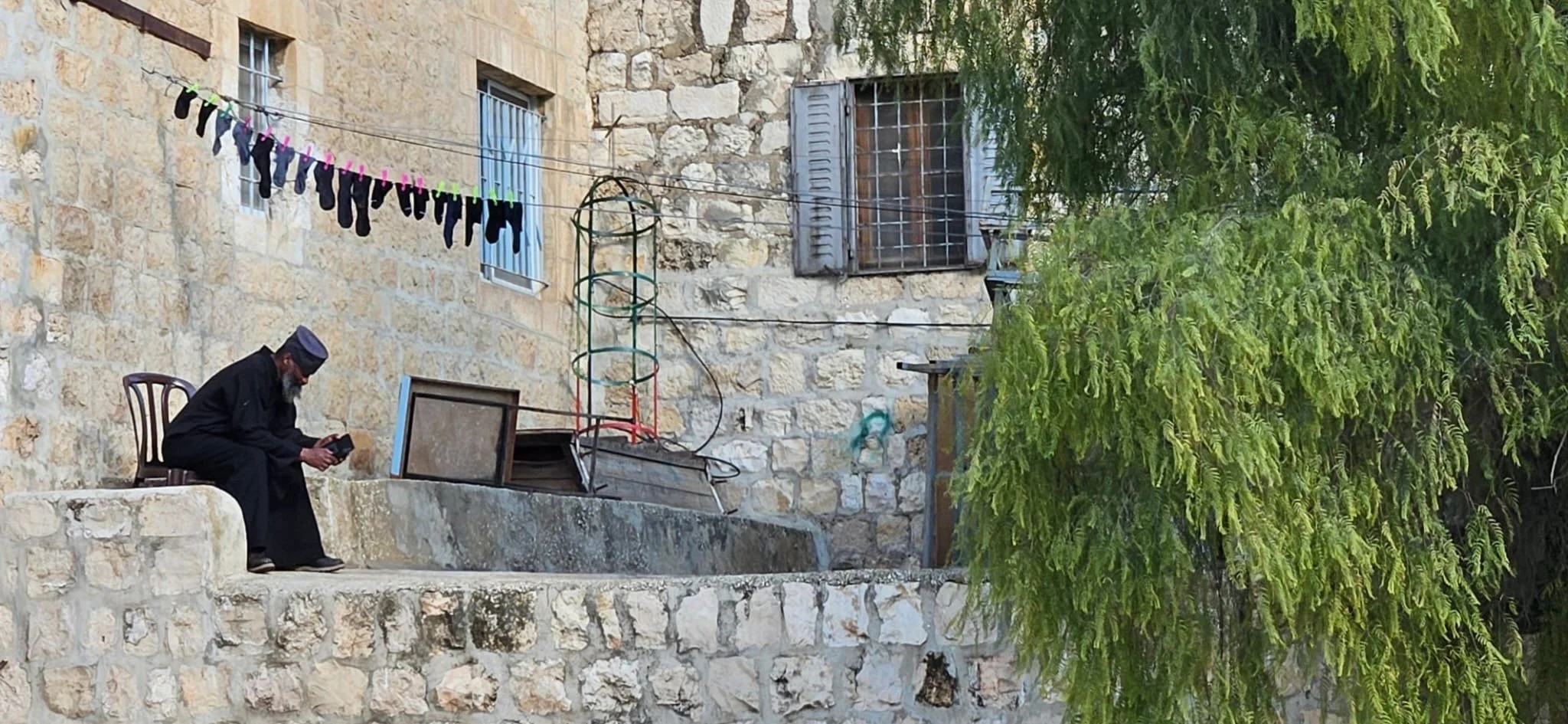
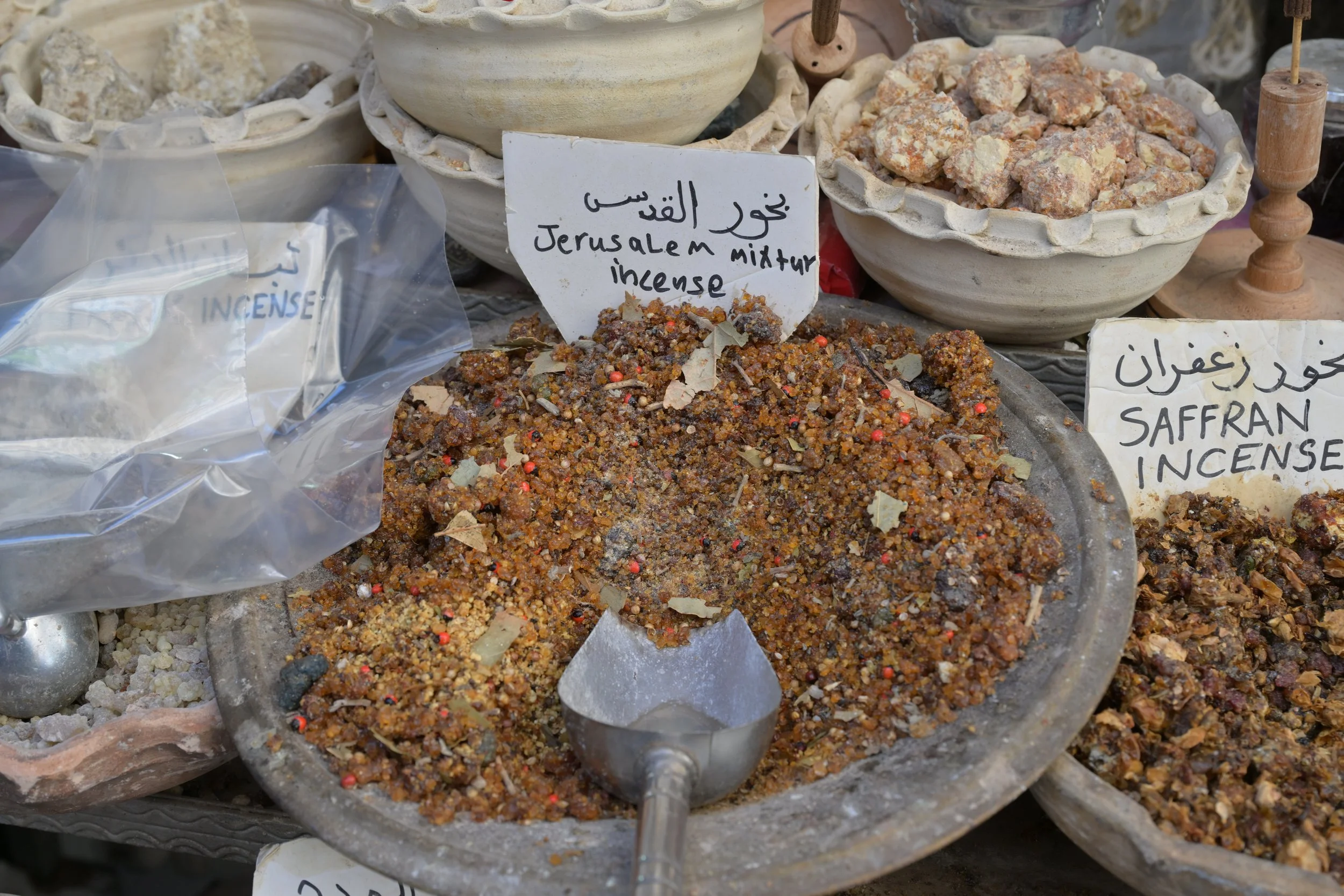
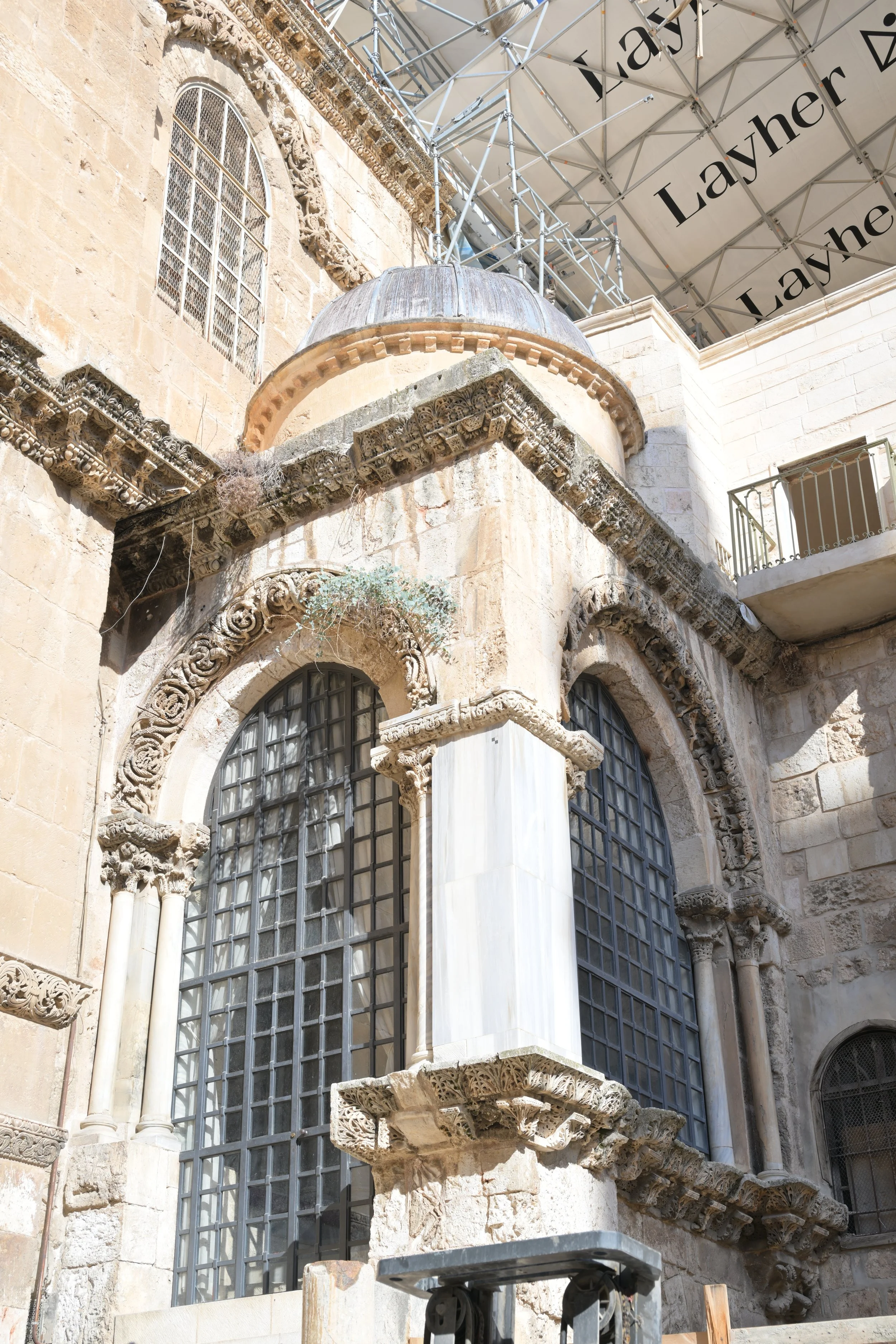
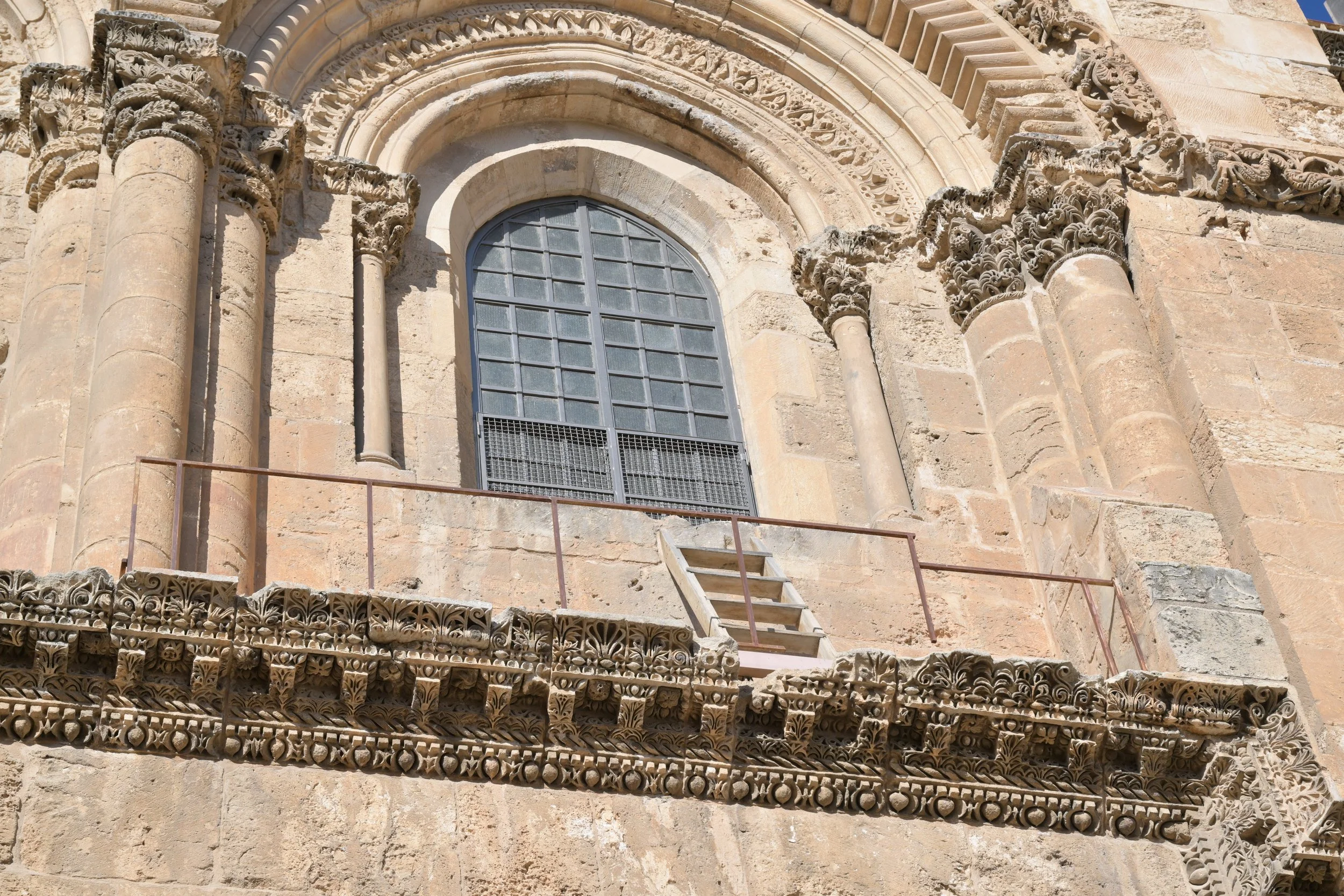
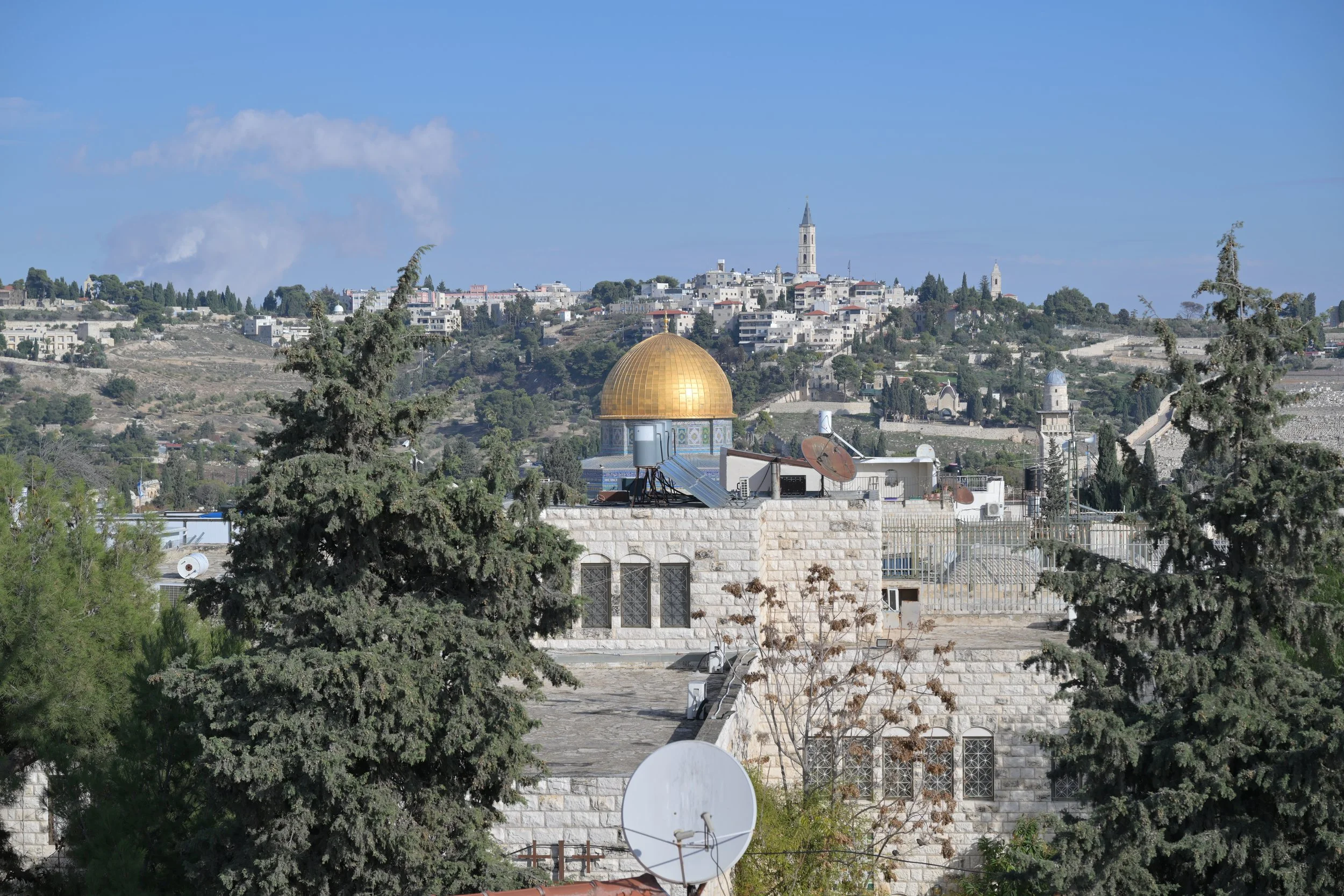
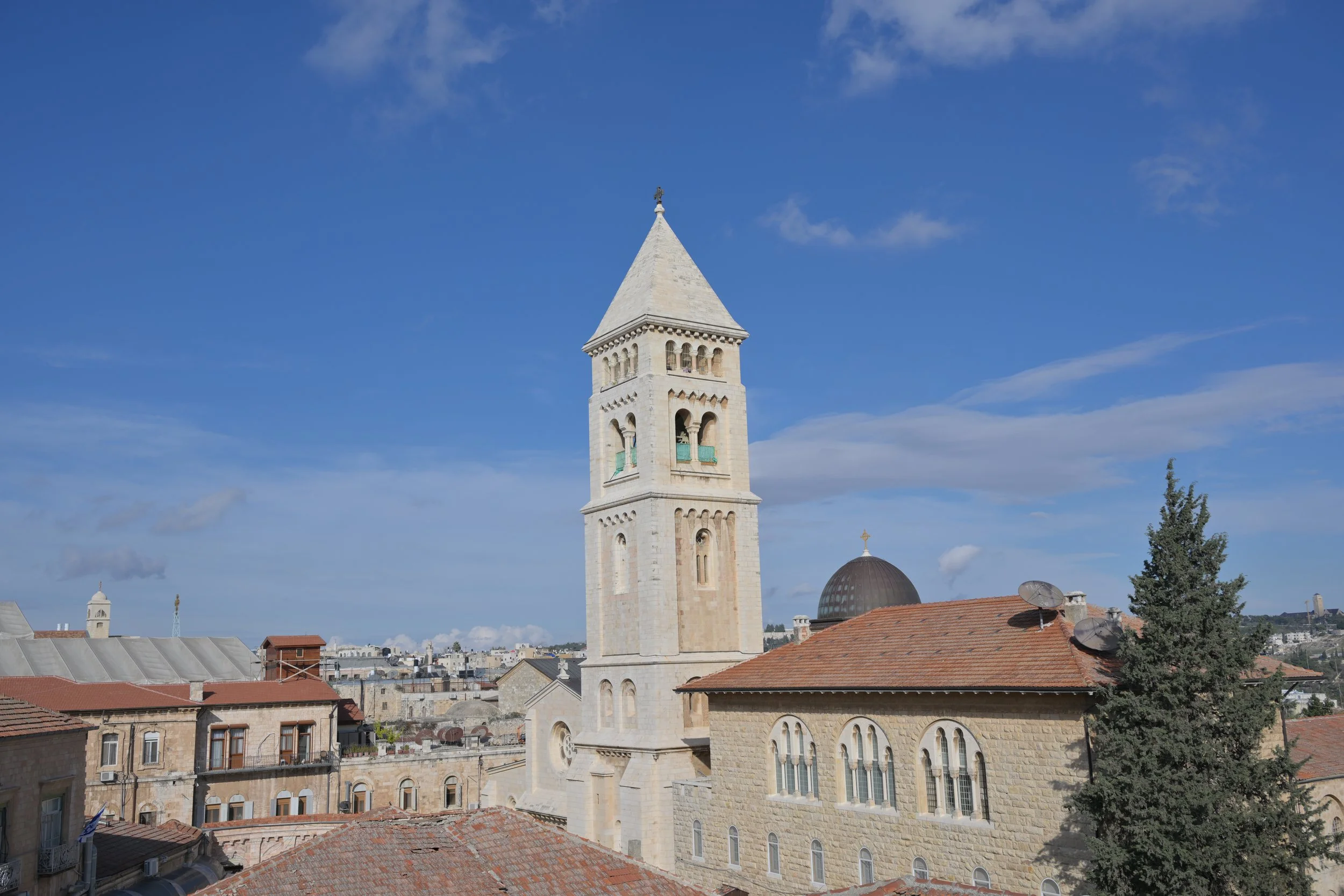
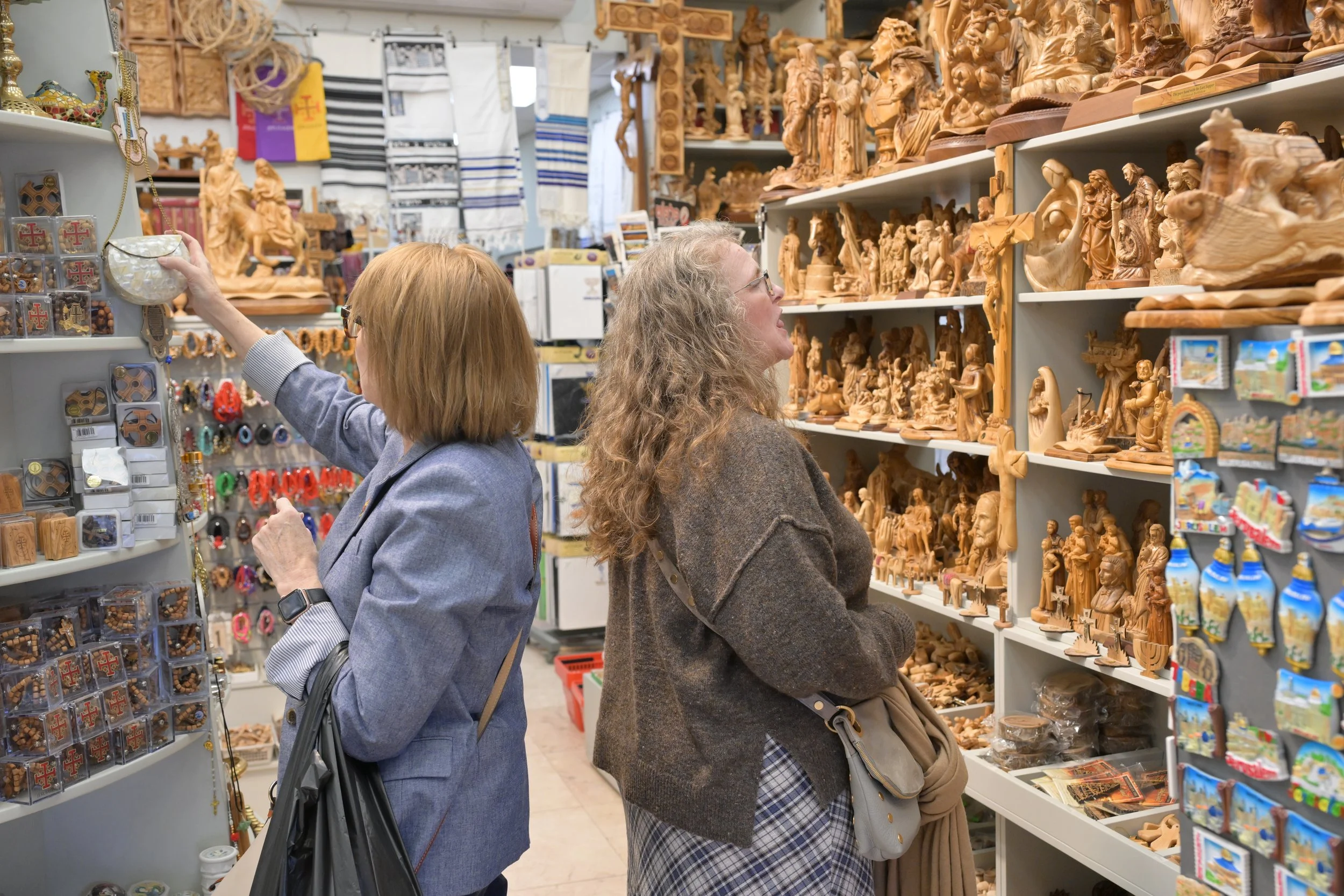
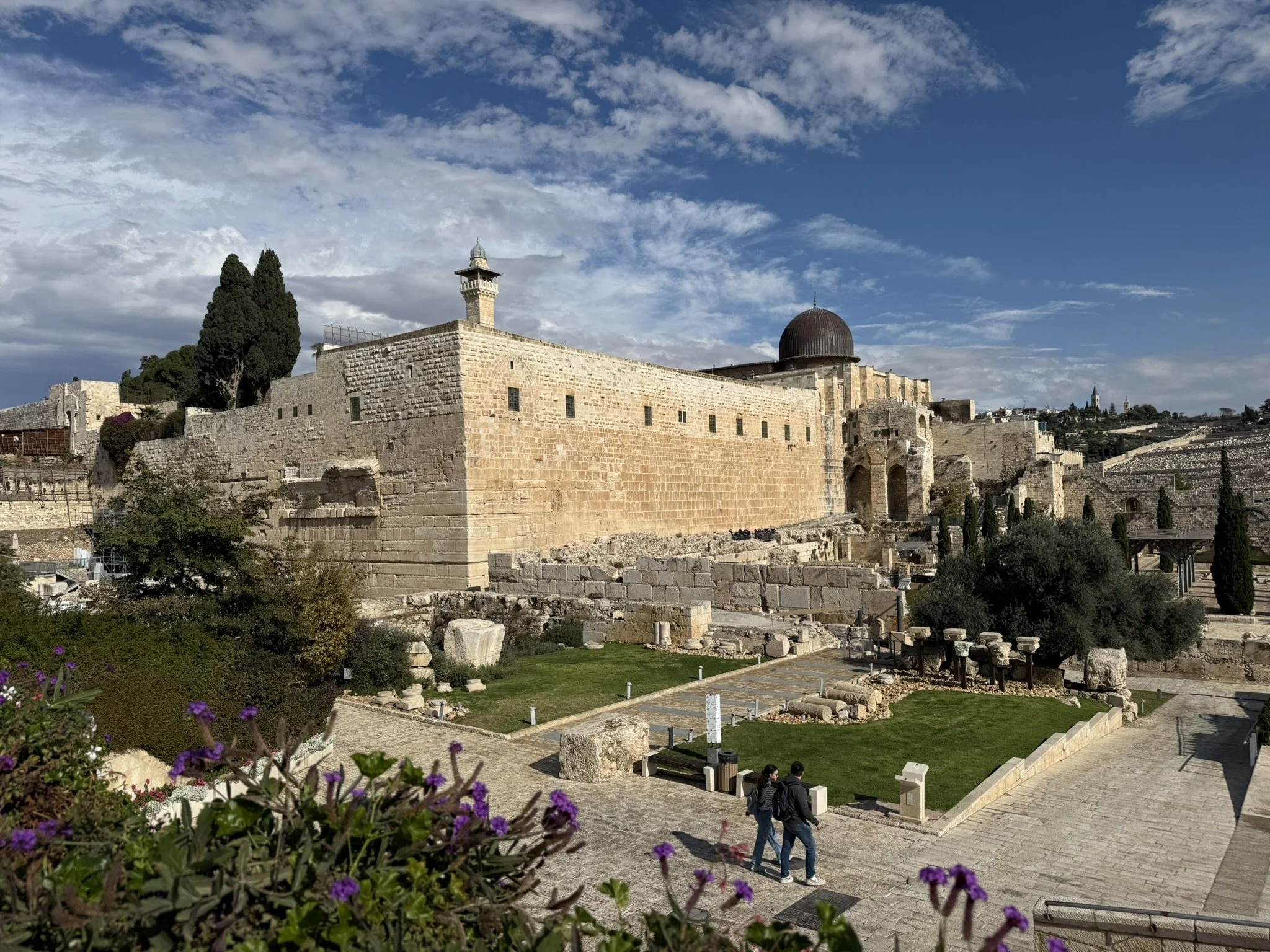
Later, we walked through Old Jerusalem, beginning at the Western Wall and continuing along the Via Dolorosa, tracing the Stations of the Cross. Seeing these sacred places in person — where faith, history, and daily life intersect — was deeply moving. The architecture alone tells a story of centuries of coexistence, conflict, and continuity.
Our visit to Yad Vashem, Israel’s Holocaust Remembrance Center, was solemn and profound. Walking through the exhibits is not something you rush. It stays with you.
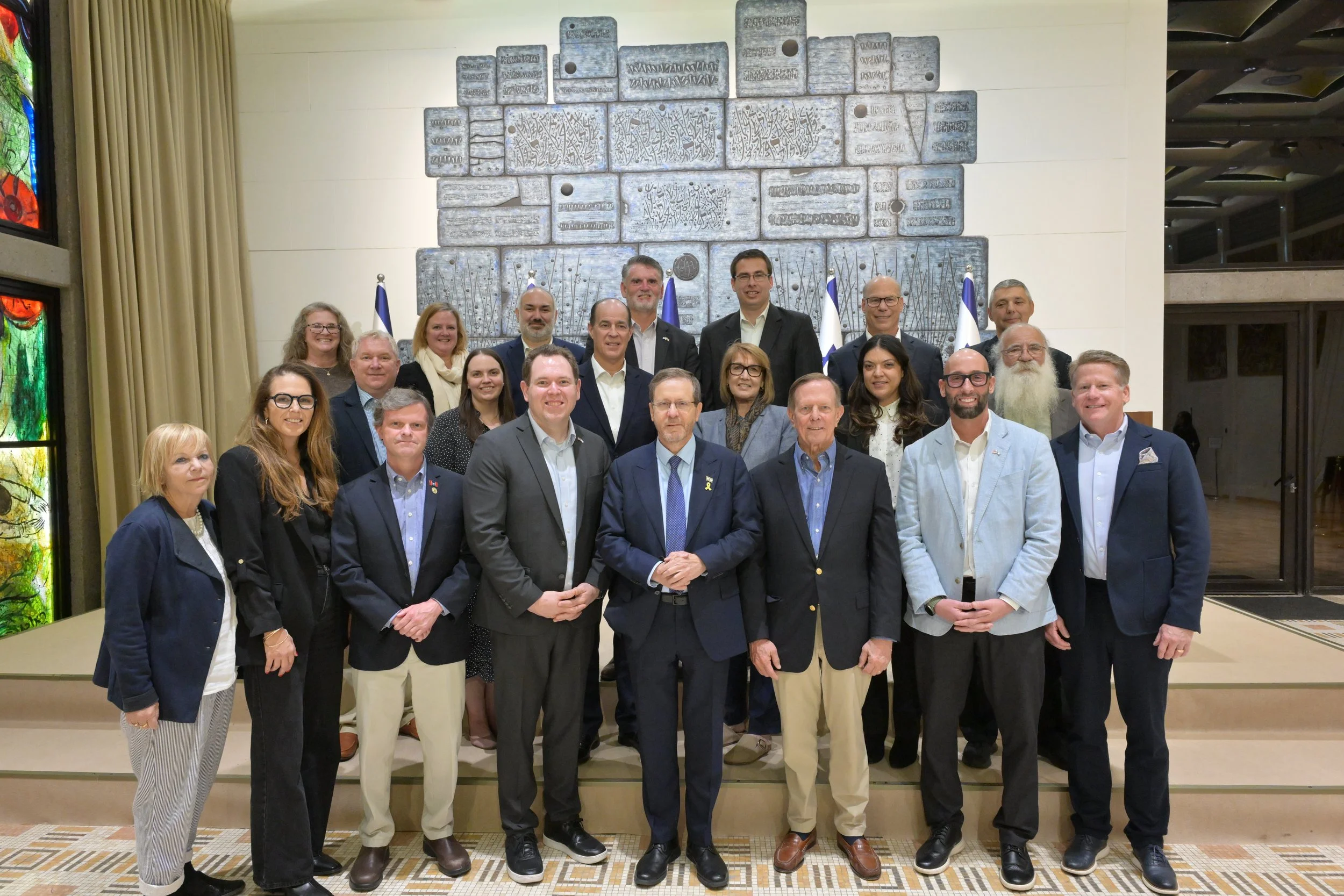
We were honored to briefly meet with President Isaac Herzog at his residence. While the role is largely ceremonial (similar to the U.S. Vice President), the symbolism of leadership during such a pivotal moment in Israel’s history felt significant.
That evening, we gathered for dinner with Nir Amitay, founder of Rimon Farm, a social-impact initiative using agriculture and education to help individuals — especially those suffering from PTSD — heal through meaningful work and community.
Each dinner table included an American-Israeli Lone Soldier — Americans who chose to immigrate to Israel and serve in the IDF. Hearing their stories, motivations, and sacrifices was humbling. In Israel, military service is compulsory at age 18, for both men and women, though not all roles are combat-based. These young people carry enormous responsibility at an incredibly young age.
Thursday, December 11 — Diplomacy & Reflection | Jerusalem
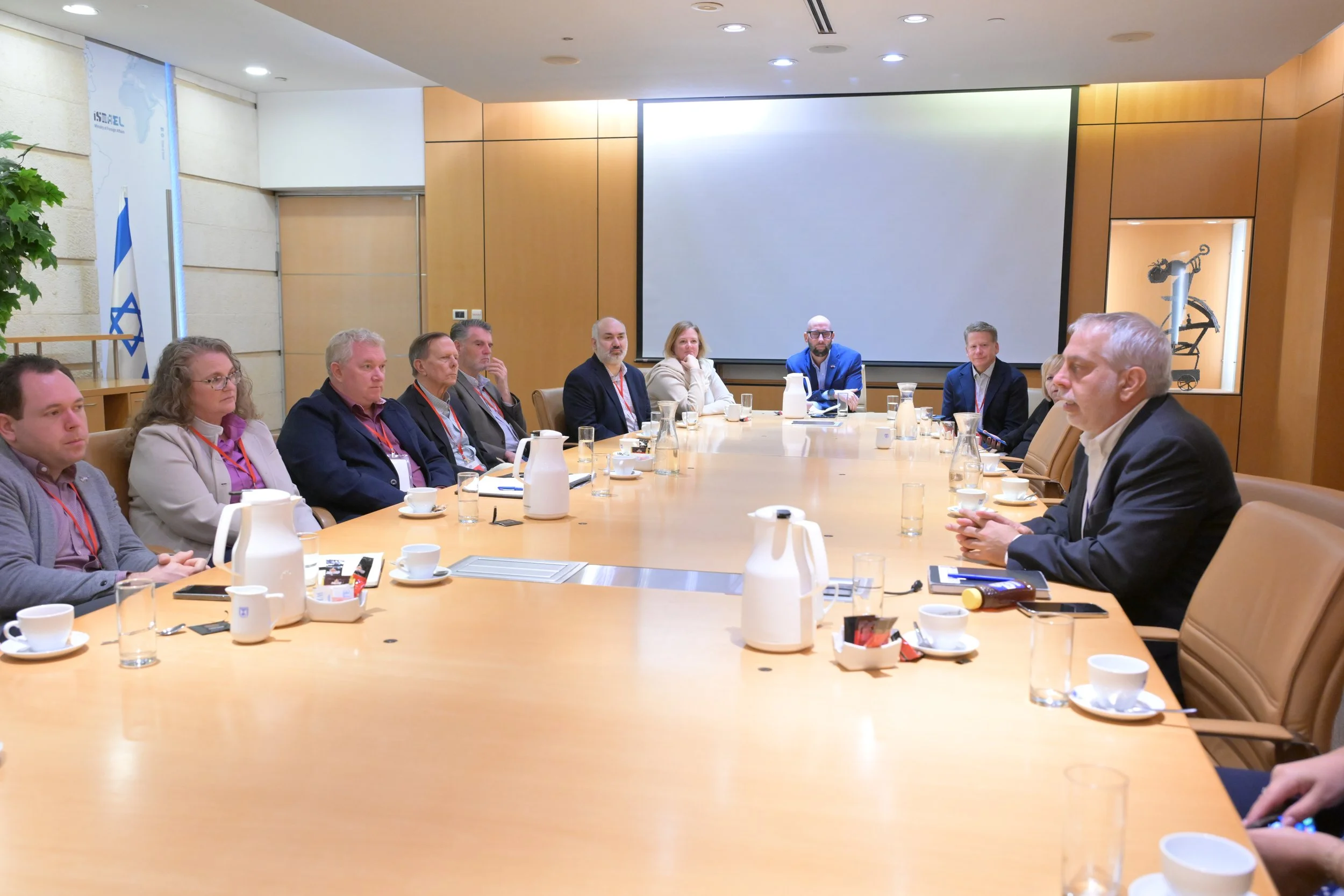
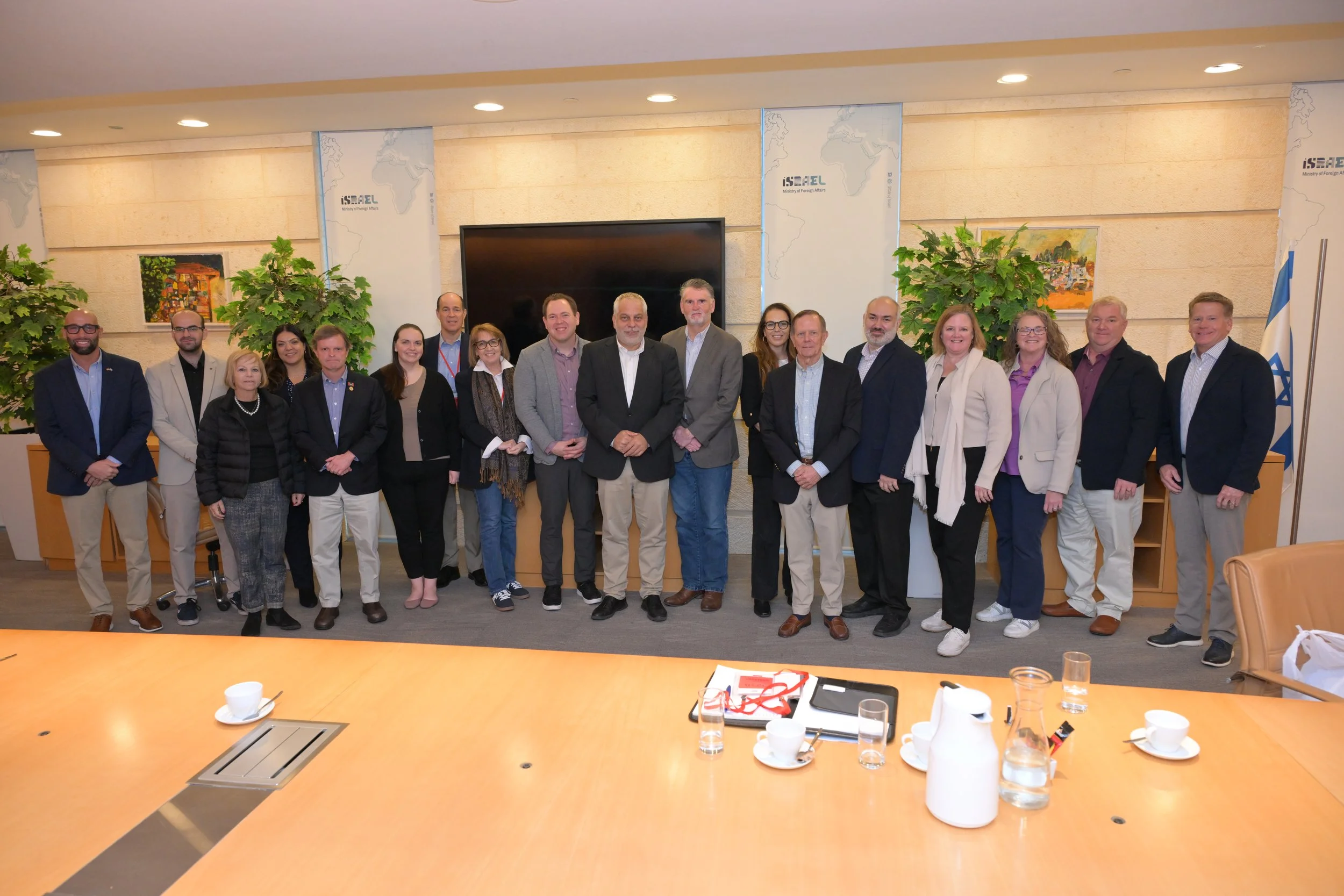
Our final day began at the Ministry of Foreign Affairs, where we participated in a roundtable discussion covering U.S.–Israel relations, economic resilience, and global cooperation in the post-October 7 landscape. We met with Lior Haiat, spokesperson for Israel’s Ministry of Foreign Affairs, who spoke about the growing influence of social media — and misinformation — especially among younger generations worldwide.
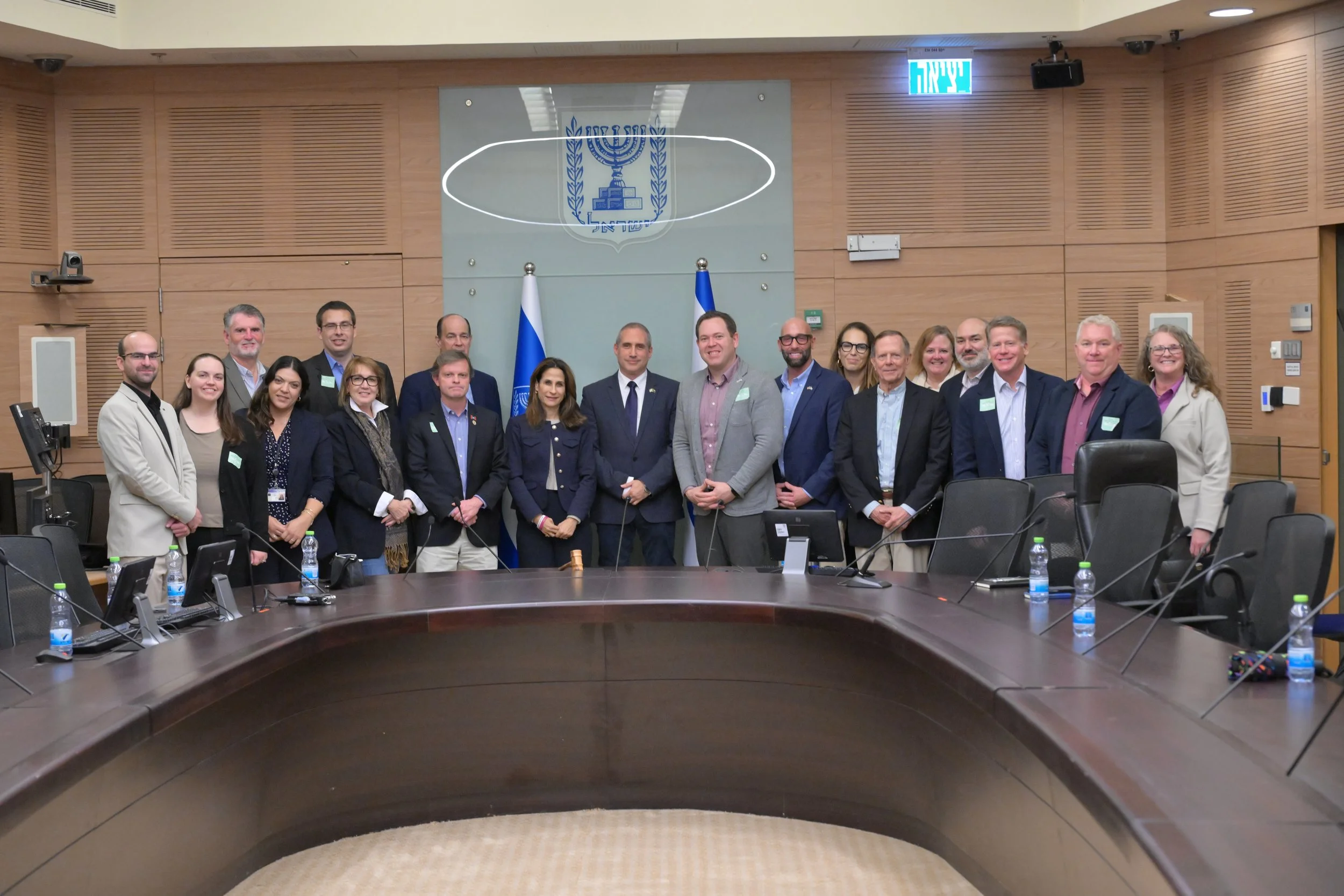
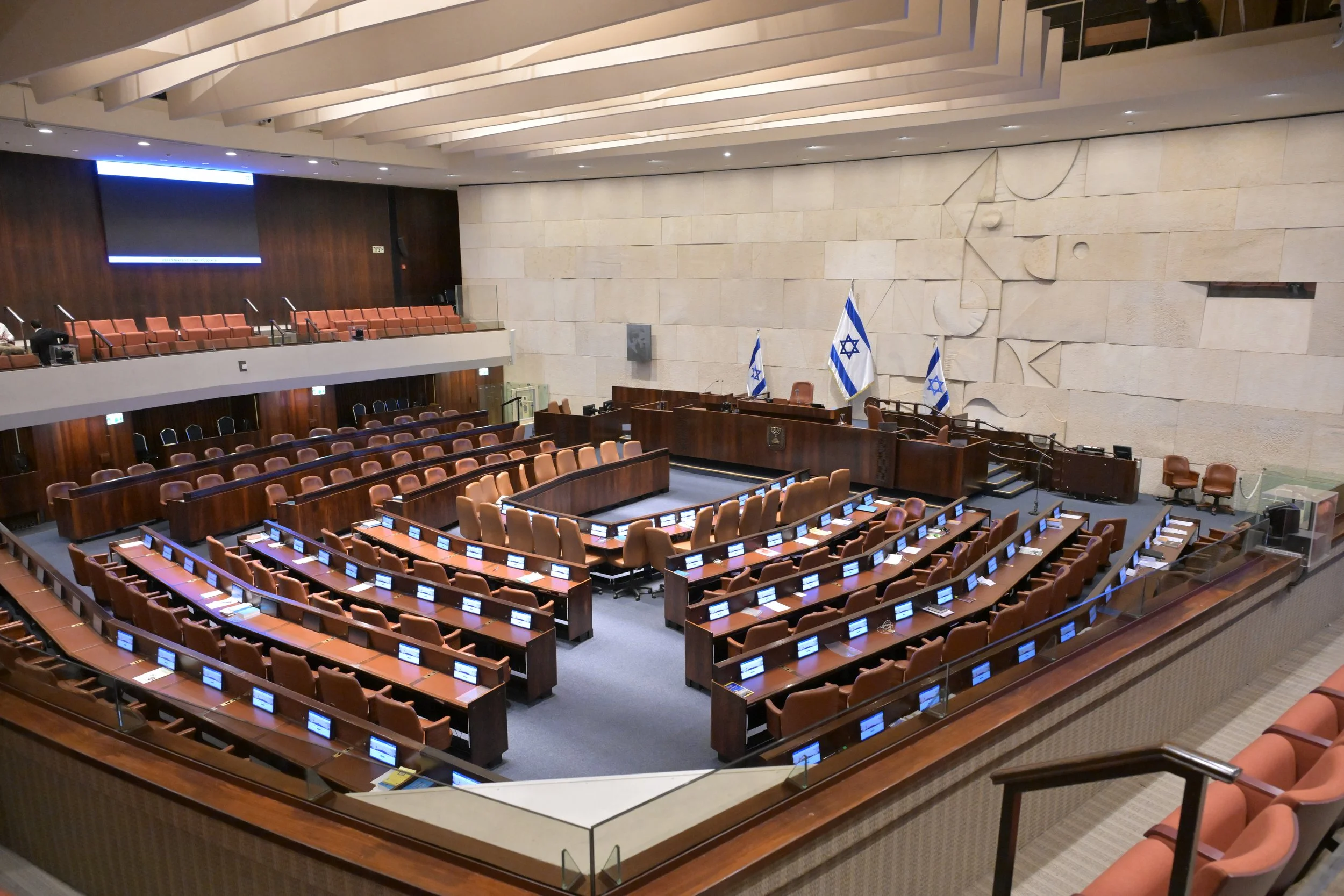
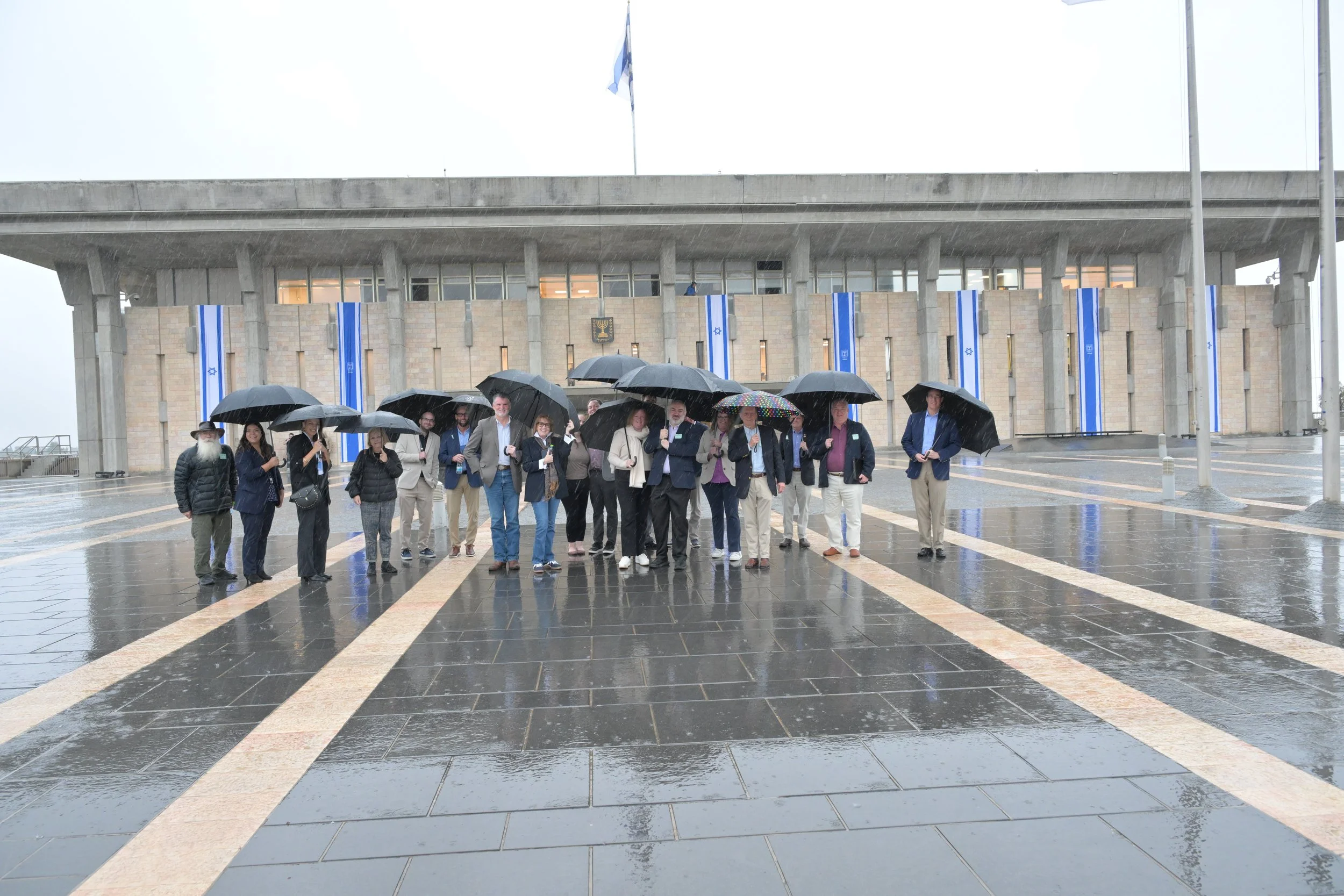
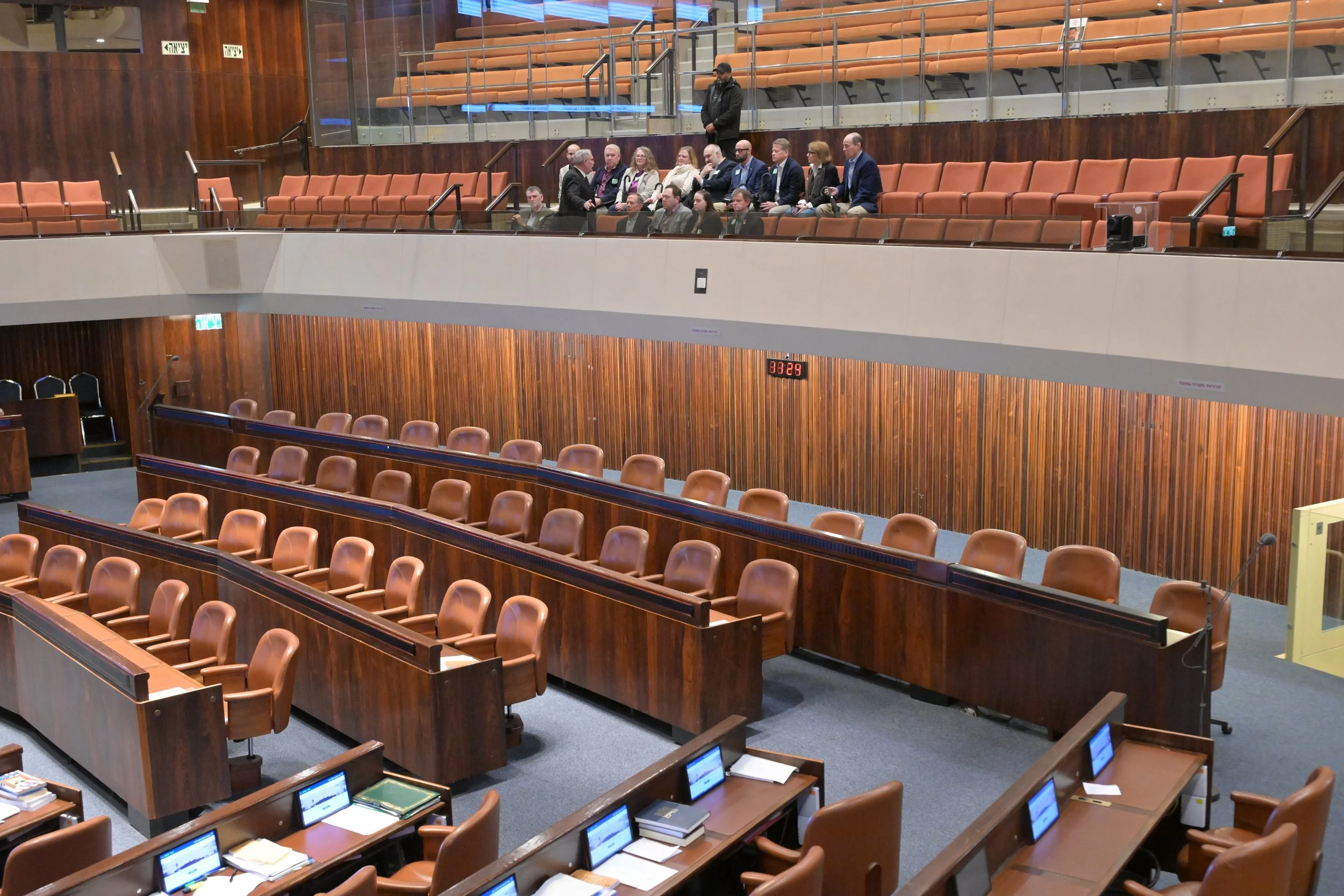
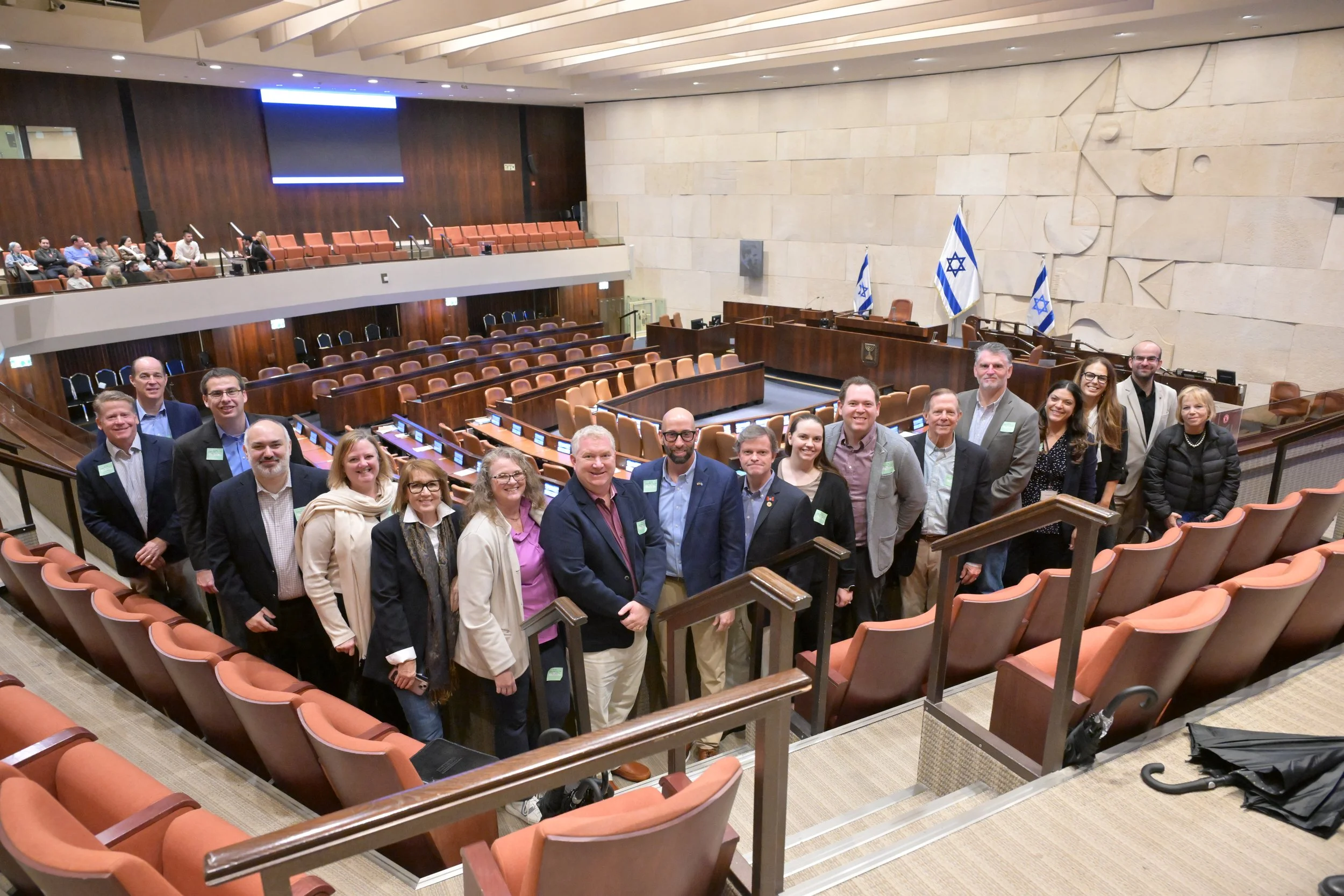
At the Knesset (Israeli Parliament), we toured the building and learned how laws are debated and passed. We then met with two Members of Knesset — Hanoch Dob Milwidsky and Merav Ben Ari — from opposing political sides. Hearing respectful, passionate debate reinforced just how vibrant and democratic Israeli society remains, even under immense pressure.
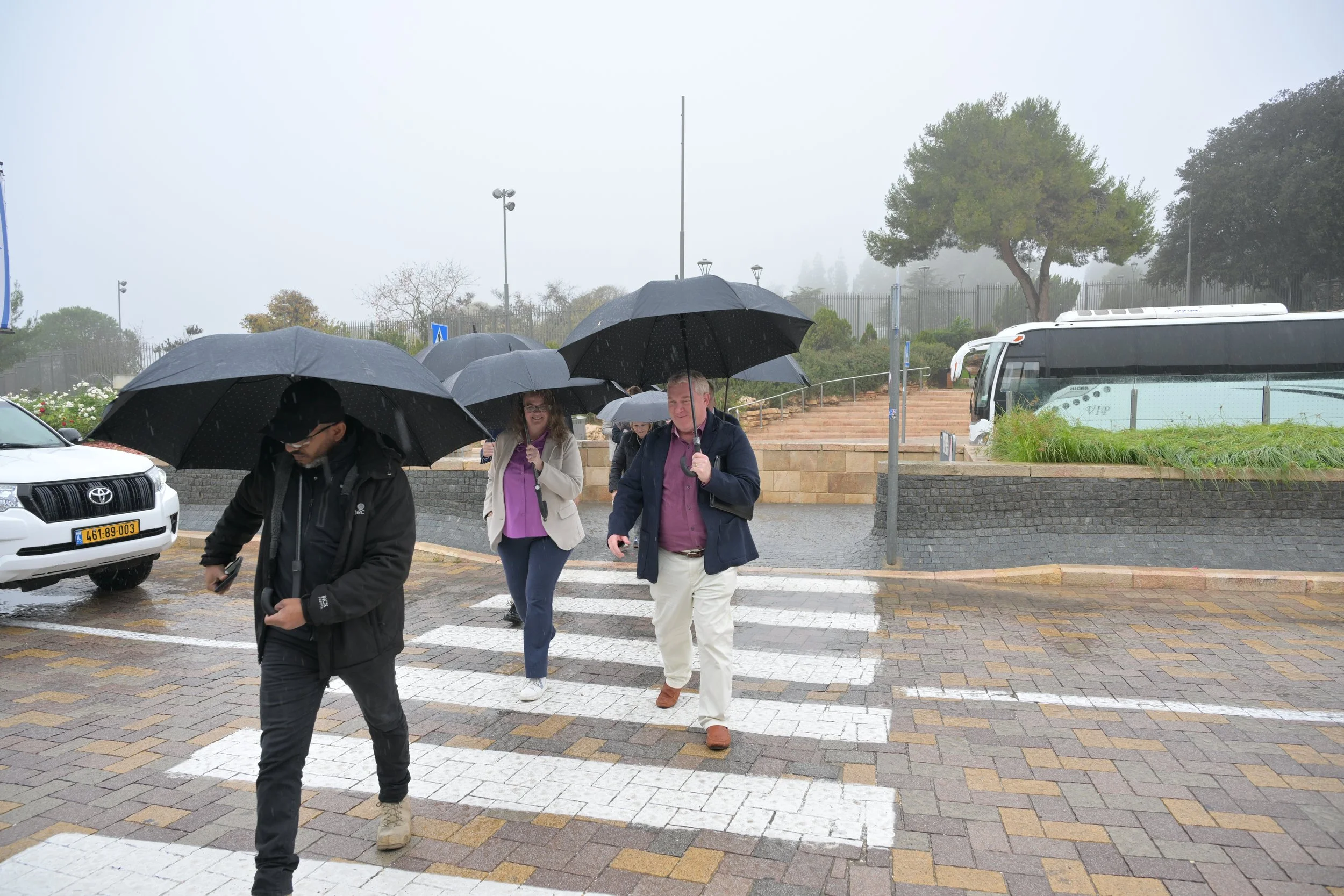
Lunch took us to Machane Yehuda Market, Jerusalem’s iconic shuk. Even in the rain, the market buzzed with life — locals shopping for dinner alongside visitors taking in the sights, smells, and flavors.
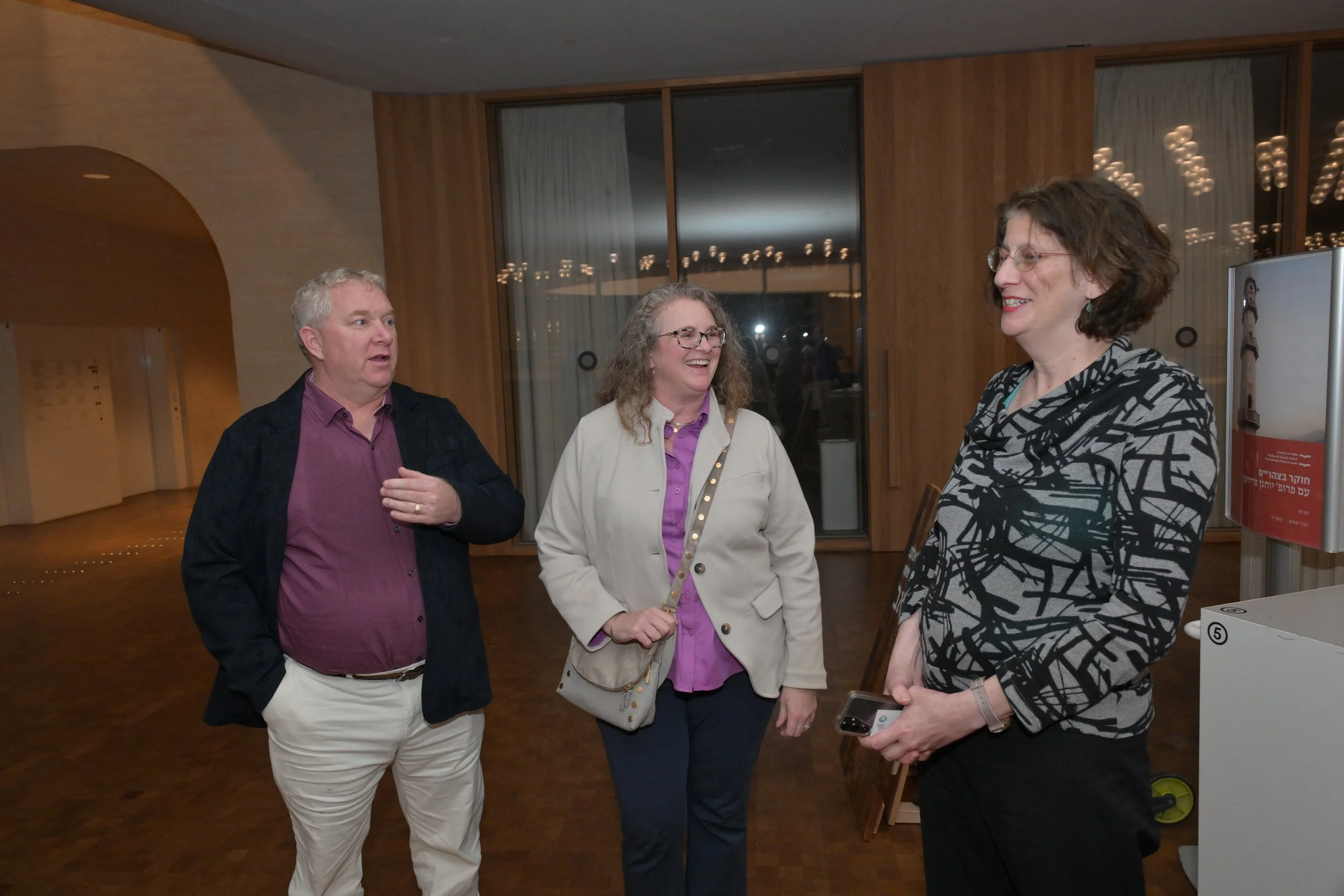
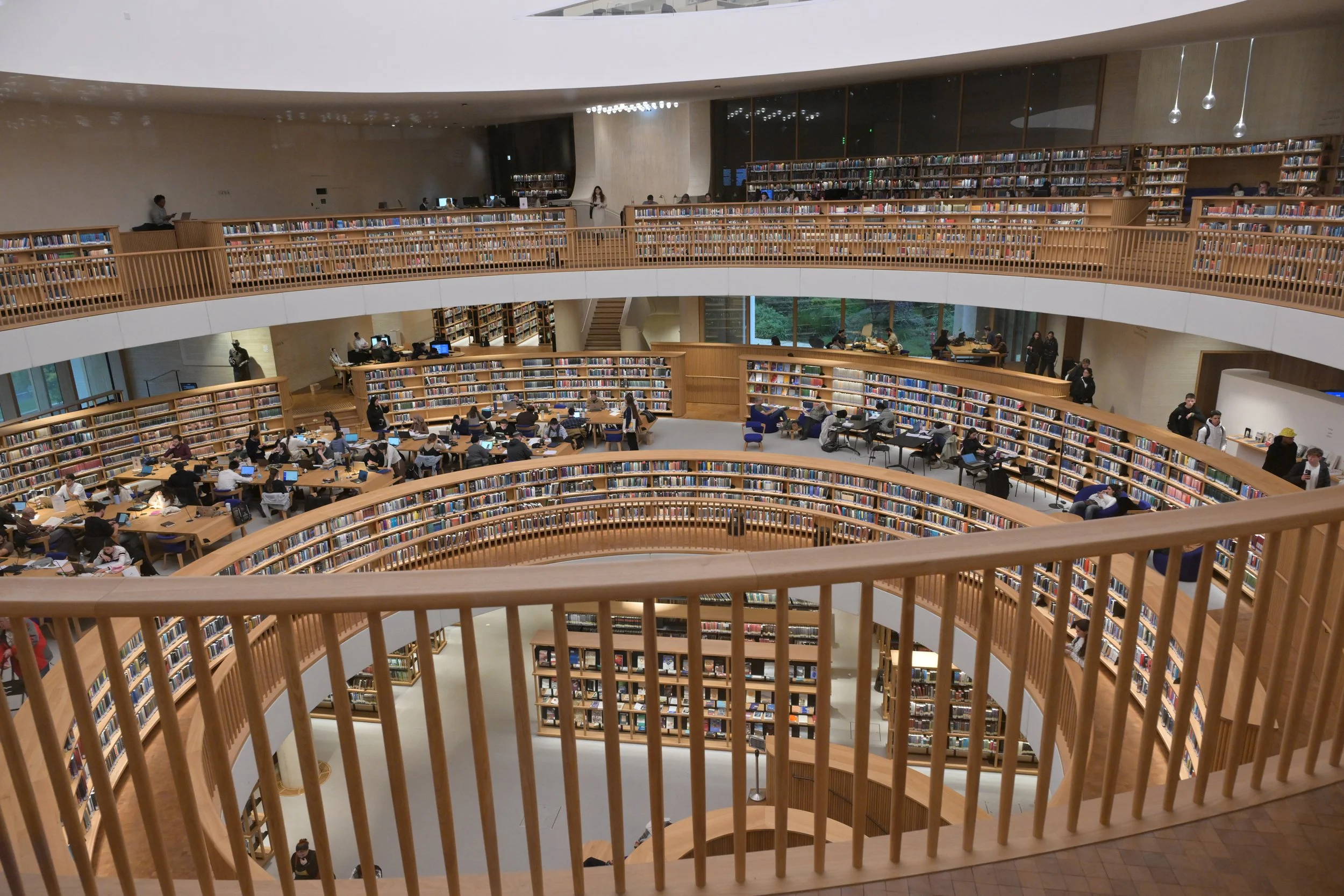
Our final stop was the National Library of Israel, an architectural and cultural landmark that officially opened just days after October 7, 2023. The library houses millions of items preserving Jewish and Israeli heritage and serves as a living symbol of resilience — even tragedy could not stop its opening.
Final Reflections
Israel is not a one-dimensional story.
It is ancient and young. Sacred and modern. Grieving and innovative. A place where daily life continues — work, school, family, friendships — even under the weight of security concerns.
What struck me most was the resilience: a society shaped by thousands of years of history, immigration, innovation, and belief in education, medicine, and community.
This trip did not give me easy answers — but it gave me context, humanity, and a much wider lens. And that, I believe, is exactly what the American Israel Friendship League set out to do.